The week of October 26–November 1 saw two contradictory signals dominate the Persian press agenda: on one hand, signs of war restart multiplied in U.S. and Israeli circles, while on the other hand Qatari mediators kept shuttle diplomacy running and a "framework" proposal reached the table. This duality, combined with Israel's post-election political gridlock, the fourth tanker incident at Hormuz, and conflicting figures on Iran's economic collapse, shaped the week. This article draws from Farsçadan's reporting throughout the week. Every fact is attributed to the relevant report and the news outlet behind it.
Three headlines of the week
1. War preparation or continued diplomacy?
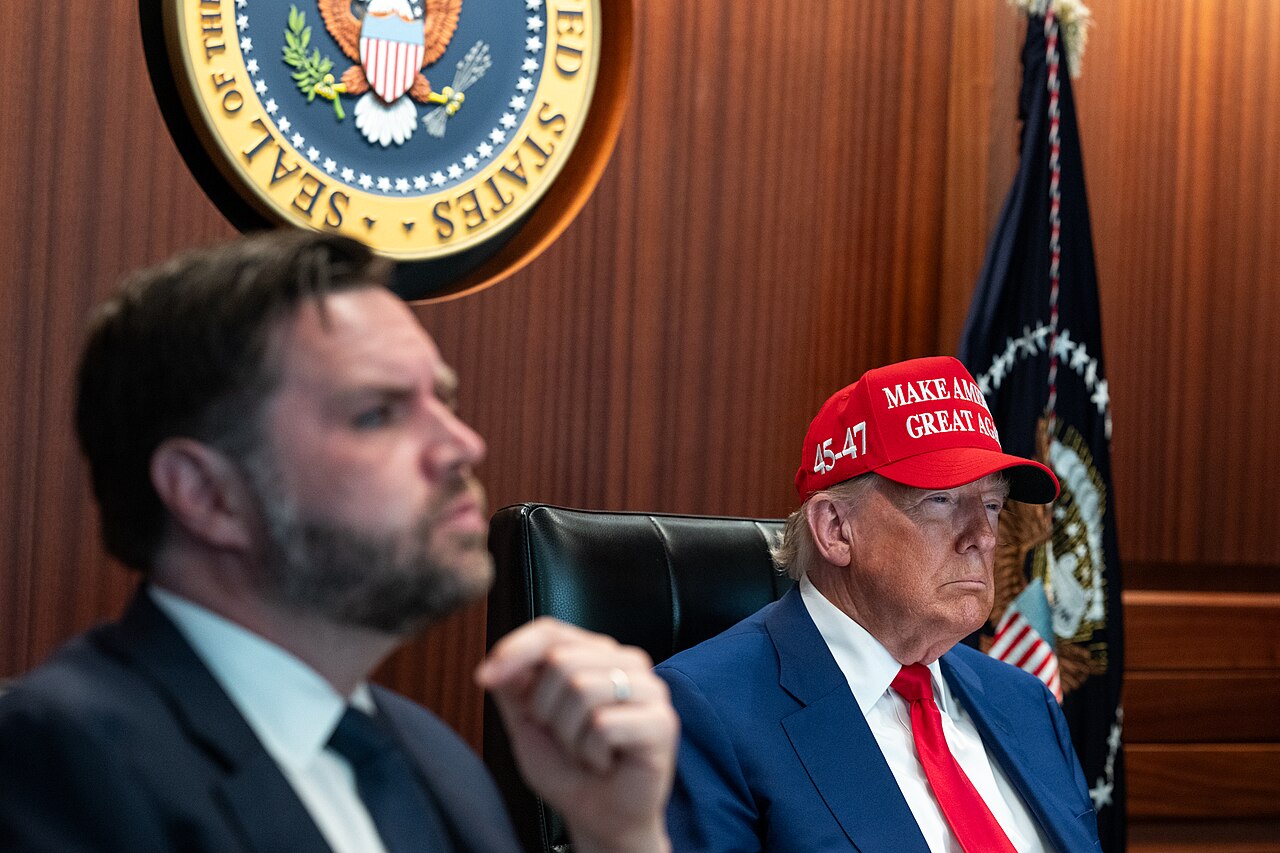
The week opened with IRNA's account of a report from Israel's Channel 12: Prime Minister Netanyahu and military Chief of Staff Eyal Zamir clashed at an "unusually candid" level two days before Knesset elections over the timing of a possible Iranian strike (Netanyahu-Zamir). The same day, Iran International relayed Trump telling Fox News "either I'll make a deal with them or finish their business," though he noted "no strike will happen tonight"; it was reported that Qatari mediators were also in Tehran that day (Trump: deal or finish it).
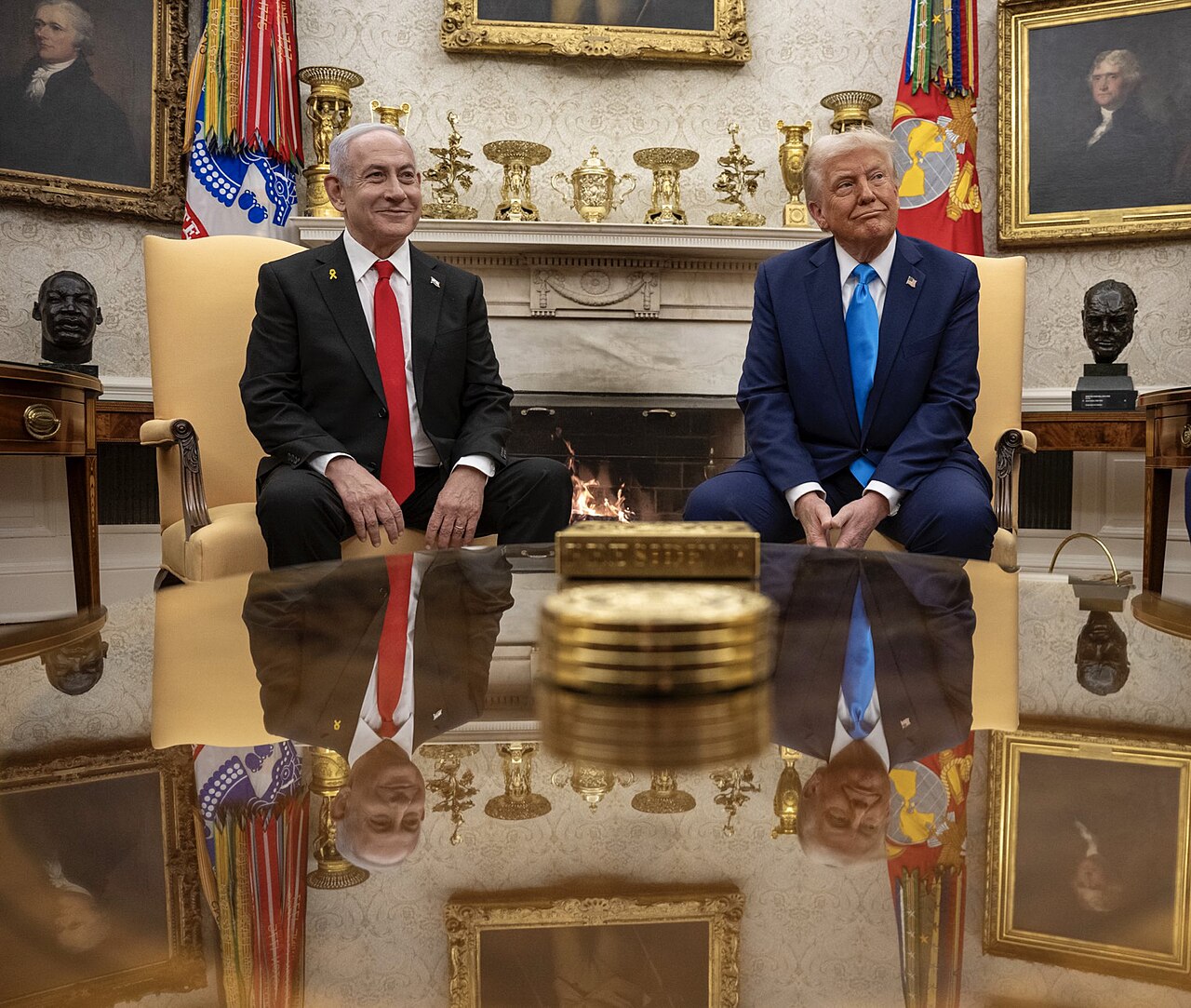
War-prep signals intensified mid-week. According to Iran International's account of AP reporting, the U.S. warned its regional allies in advance of the November 3 midterm elections against possible new military action (U.S. warned allies). Per Hamshahri's Washington Post account, the CIA assessed in secret that Iran might respond to new strikes with increased Hormuz restrictions, attacks on external targets, or cyber strikes on U.S. territory (CIA's three scenarios). Thursday, per Hamshahri's Wall Street Journal account, CENTCOM Commander General Brad Cooper presented Iran options to Trump, and a "air bridge" of Patriot battery and ten military transport planes was established for Israel (Patriot and airlift). The week ended with IRNA's account of a WSJ report: after consultations with top commanders on resuming combat operations, Trump called Netanyahu; Iran International framed this contact as occurring "in the shadow of renewed strike possibility" (Trump-Netanyahu call).
Yet the diplomatic channel remained open. Per Donya-ye Eghtesad's Barak Ravid account from Axios, Qatari mediators returned to Doha Friday after 12 hours of talks in Tehran; a separate El Arabiya report indicated the draft framework includes uranium transfer and Chinese guarantorship (Qatar framework). U.S. Ambassador to Ankara Tom Barrack stated, per IRNA, that an agreement to de-escalate was near and progress might come within two weeks (Barrack).
2. Israel's post-election gridlock
Exit polls released after Tuesday's Knesset election showed, per Hamshahri, that neither Netanyahu's coalition nor retired General Gadi Ayzenkot's opposition reached 61 seats; poll numbers from different TV channels also diverged (election uncertainty). Before results clarified, Iran International reported harsh debate between Defense Minister Yisrael Katz and Ayzenkot over who decides on possible military action against Iran; Katz attacked Ayzenkot on X for being "undemocratic and detached from reality" (Katz-Ayzenkot).
3. Fourth tanker at Hormuz, economic-collapse signals
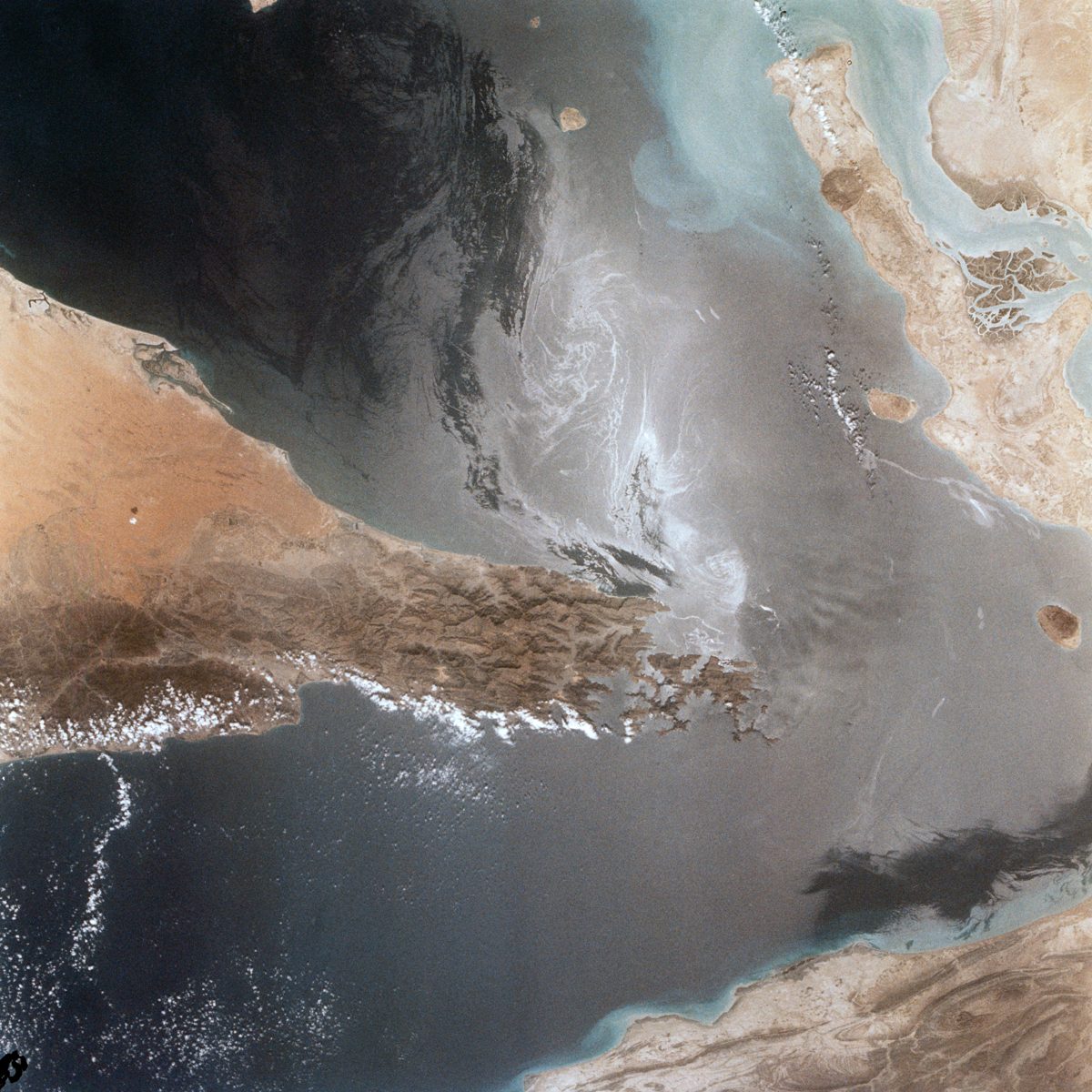
Activity continued at Hormuz. Per IRNA, Thursday-Friday night a tanker was struck by what UKMTO reported as an "unknown object," and a separate vessel caught fire and sank (tanker and unknown object). The next day, per IRNA, the IRGC Navy said a fourth tanker it labeled "violator" struck a mine; Iran International's Financial Times account instead framed it as a deliberate sticky-mine attack (fourth tanker). Sunday, per IRNA, UKMTO reported an organized pirate boarding of a large fishing vessel in the Oman Sea (fishing vessel).
Economic cost featured as a major headline. Per IRNA's account of The Hill, CENTCOM estimates put U.S. war costs against Iran at $47 billion since September (war cost). On Iran's side, per Kayhan citing Central Statistics Office data, year-on-year point inflation in Mehr month hit 88.7% (inflation 88.7%); per Iran Intl's U.S. Treasury account, the figure reached 90% and the riyal lost 25% on the free market since August (Treasury report). Per Donya-ye Eghtesad, the government considered removing higher income brackets from the kalabarg (food e-coupon) system (kalabarg criteria).
Frame differences
The same events received different frames across camps throughout the week.
| Source (orientation) | Event | Frame |
|---|---|---|
| IRNA (state news agency) | Fourth tanker incident | Relayed IRGC Navy's "mine-struck violator" account directly |
| Iran International, Financial Times account (opposition, diaspora) | Same incident | Highlighted it as deliberate sticky-mine attack |
| Kayhan (hardline) | Mehr-month inflation | Cited Central Statistics Office's official 88.7% figure |
| Iran Intl, U.S. Treasury account (opposition, diaspora) | Same-period inflation | Highlighted U.S. Treasury's 90% estimate and riyal collapse |
| Hamshahri (Tehran municipality, principlist) | Katz-Ayzenkot debate and election uncertainty | Emphasized Israel's institutional fracture and indecision |
| IRNA (state news agency) | Trump-Netanyahu phone call | Relayed WSJ's "war-restart preparation" frame |
| Donya-ye Eghtesad (technocratic) | Qatar mediation | Cited Axios and El Arabiya, highlighted a concrete "framework" proposal |
| IRNA (state news agency) | Tom Barrack's statement | Directly quoted "near agreement to de-escalate" language |
The war-diplomacy duality showed most in Hormuz reports: while the IRGC Navy's "mine" narrative was relayed as-is by state outlets, diaspora opposition sources resting on international press (Financial Times, Reuters) stressed the "attack" frame. On Israel uncertainty, Persian press converged on one view: the post-election institutional fracture presented as an opportunity for Tehran; by contrast, U.S. allied warnings and Patriot shipments were compiled in Persian media as evidence war was imminent.
From Turkey's perspective
The week's most relevant development for Turkey was the four-country summit in Tehran of Mecca Pact members. Per Donya-ye Eghtesad, Turkish National Intelligence Director Ibrahim Kalın, Saudi Defense Minister Khalid bin Salman, and Pakistan Army Chief General Asim Munir met Monday with Iran's Supreme National Security Council Secretary Mohsen Razai to discuss regional security; the meeting occurred amid the Iran-U.S. crisis and deepening Yemen tensions (Tehran summit).
The headscarves crisis with Azerbaijan continued. Per Kayhan, Presidential Advisor Oktay Saral was removed from his position after Baku demanded action over his criticism of headscarves bans in Azerbaijani schools (Saral removal). Late in the week, per ISNA, President Aliyev did not attend Ankara's Turkic States Organization summit despite Erdoğan's personal invitation; Hamshahri cited BBC Farsi's report of "rising Baku-Ankara discord" (Aliyev absent from summit).
Late week, per ISNA, Foreign Minister Hakan Fidan stated that months of Hormuz closure, combined with the Ukraine war, imposed a heavy burden on the global economy (Fidan statement). U.S. Ambassador Tom Barrack's statement about possible de-escalation also entered the Turkish angle, via IRNA's report (Barrack).
What to watch next week
- November 3 (Tuesday): The U.S. congressional midterm elections, which Iran International reported the U.S. warned allies about; Persian media indicated possible new military action could follow this date (U.S. warned allies).
- Date unconfirmed: Qatar's proposed "seven-day confidence-building plan" and the outcome of Saturday talks between Tehran and Doha remain unknown (U.S. warned allies; Qatar framework).
- Date unconfirmed: Whether Tom Barrack's statement of "progress within two weeks" translates into concrete de-escalation steps (Barrack).
- Date unconfirmed: Final Knesset election results and how the government-formation process affects Iran decision-making machinery (election uncertainty).
For information only; not investment advice.