What is it?
The Revolutionary Guards, officially the Islamic Revolutionary Guard Corps (Persian pronunciation Sepâh-e Pâsdârân-e Enqelâb-e Eslâmi), is an armed force separate from Iran's regular army (Artesh). The Persian press usually calls it Sepah, meaning "army" or "corps." Its English abbreviation is IRGC.
According to the Council on Foreign Relations (CFR), the organization was founded right after the Shah's fall in 1979 as a counterweight to the regular army, which clerical leaders distrusted. Its mission is to be "the principal defender of the 1979 revolution," and it answers directly to the Supreme Leader.
How does it work?
The IRGC has ground, naval and aerospace forces. Its unit for operations abroad is the Quds Force. CFR says the volunteer paramilitary Basij has also been under direct IRGC command since 2007, and it puts the number of troops under IRGC command at about 190,000.
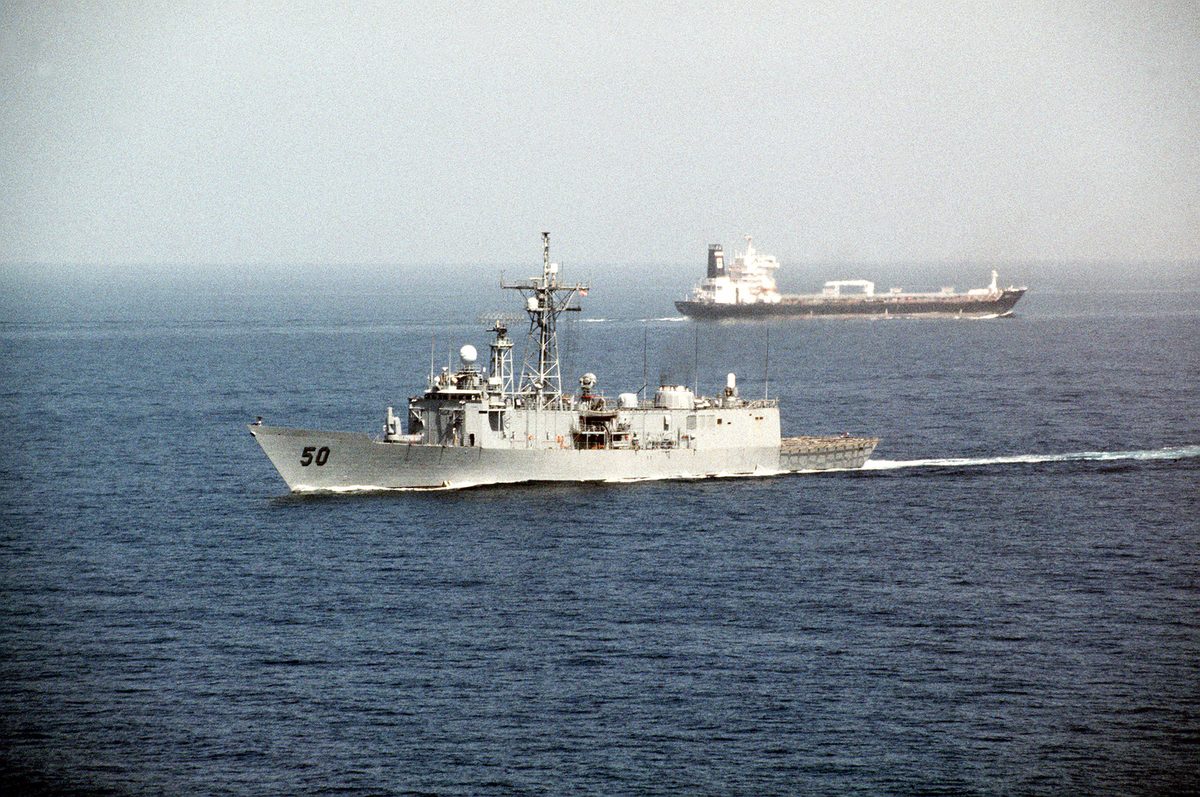
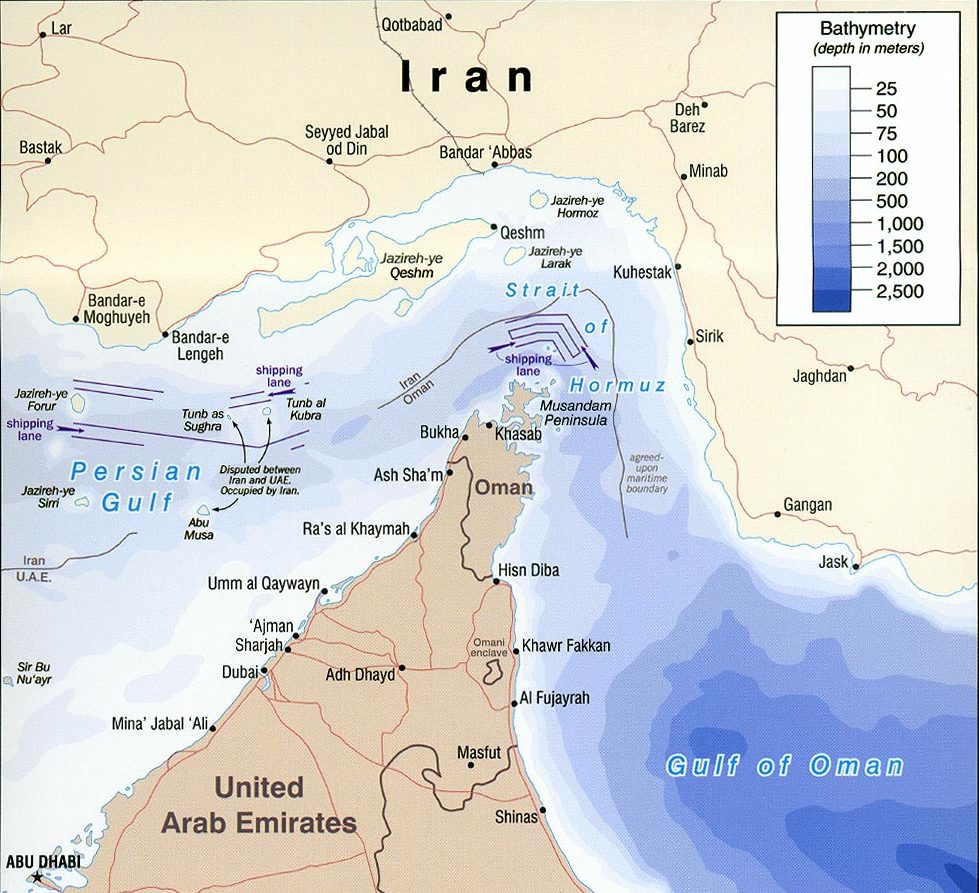
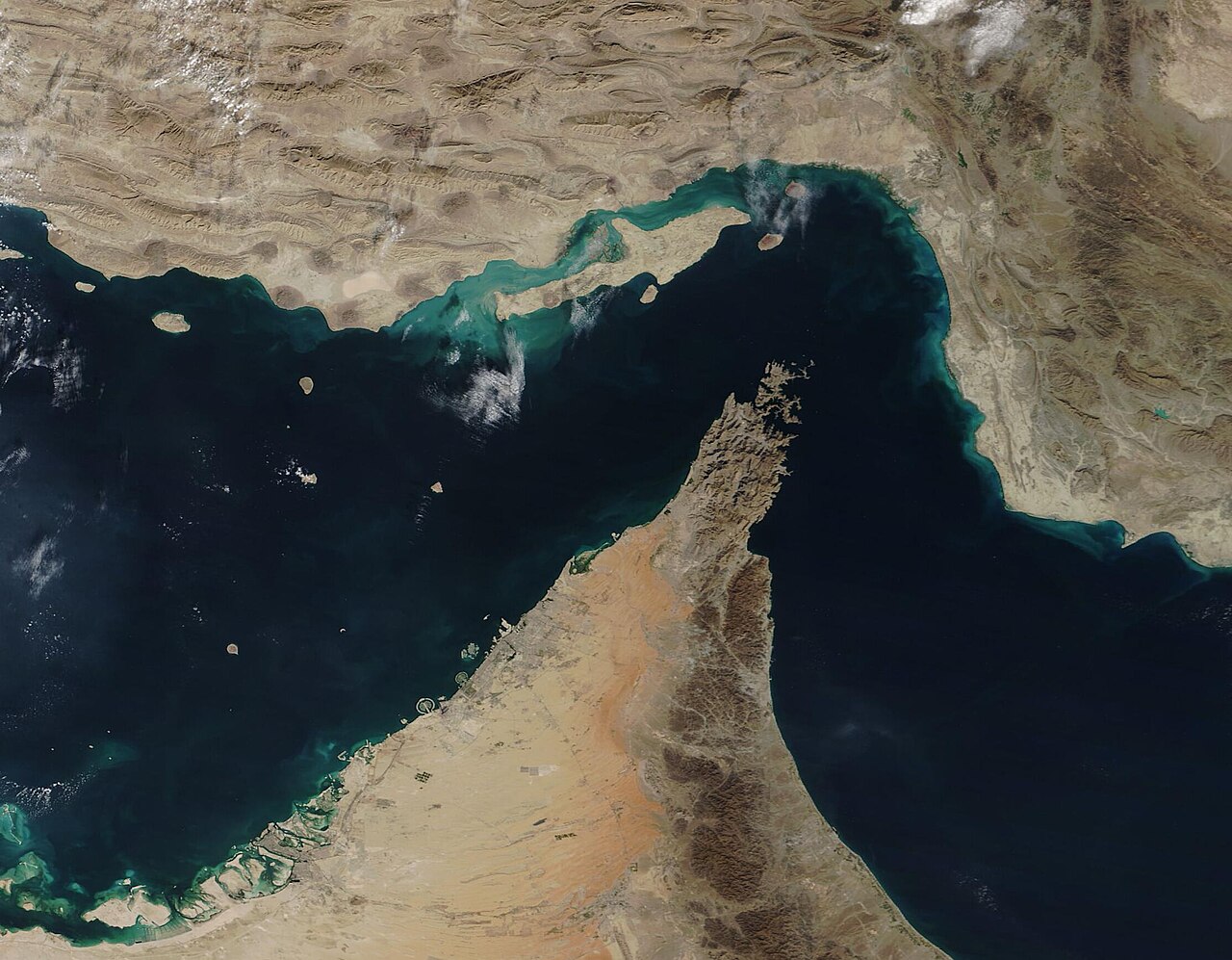
The chain of command runs to the Supreme Leader, not the president. The IRGC Navy is on the front line of operations in the Persian Gulf and the Strait of Hormuz, so most statements about tanker and mine incidents in the strait come from this branch.
The organization's influence goes well beyond the military. CFR writes that the IRGC has become a major economic power in sectors such as banking, shipping, manufacturing and oil services.
Why does it matter?
The IRGC is at the center of Iran's regional policy, its missile and drone programs, and internal security. In the Persian press, IRGC statements are a primary source for news on the war, Hormuz and sanctions. It's common for the IRGC to describe an incident one way while U.S. Central Command (CENTCOM) describes the same incident another way.
The label "IRGC-affiliated" in Farsçadan's source tags marks outlets widely reported to have institutional or editorial ties to the organization. The Tasnim and Fars news agencies are examples.
Debates
The IRGC's international status is contested. In October 2017, the U.S. Treasury designated the IRGC under counterterrorism authority (Executive Order 13224) for its support of the Quds Force, which had been designated in 2007. In April 2019, the United States also designated the IRGC as a Foreign Terrorist Organization. According to CFR, the European Union listed the IRGC as a terrorist organization in January 2026, citing the crackdown on protesters. Iran rejects these decisions and describes the IRGC as a constitutional institution. Human rights groups link the Basij and the IRGC to the suppression of protests.