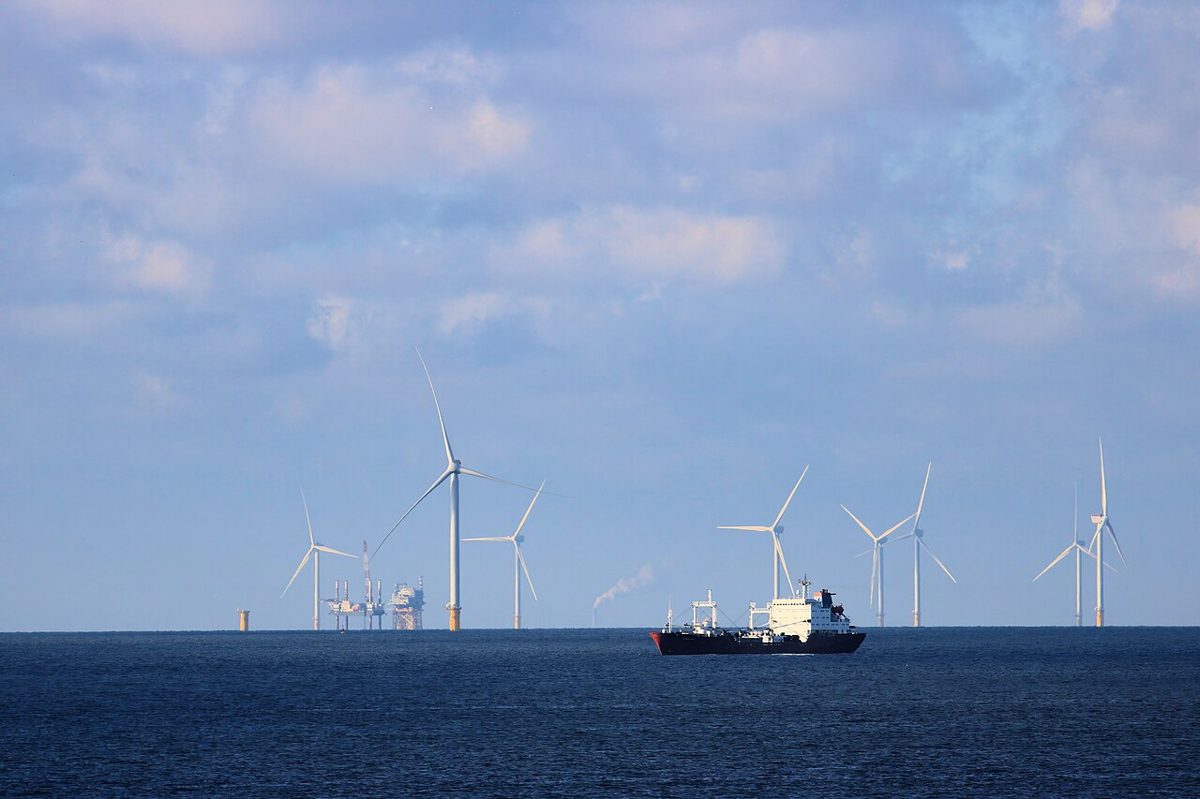
A supertanker transiting an unauthorized route south of the Strait of Hormuz caught fire Thursday evening; according to IRNA, the Islamic Revolutionary Guard Corps (Sepah) Navy said the vessel hit a mine while attempting to pass through a restricted zone in disregard of warnings, causing a violent explosion. Sepah's statement described this as the fourth similar "violating" tanker. ISNA, Hamshahri, Kayhan, Donya-ye Eqtesad, Ettelaat, and Khabaronline all reported Sepah's statement as news.
The United Kingdom Maritime Trade Operations (UKMTO) approached the incident from a different angle: according to the agency, an unidentified object struck a vessel off Lavan Island, causing a fire—UKMTO's statement did not mention "mine impact" and identified no responsible party. IranIntl, aligned with the opposition, relayed a story by Financial Times citing maritime-security sources and framed the incident entirely differently: the vessel was a supertanker named "Louise 1" owned by a Dubai-based company. On the evening of October 29, around 22:15, a small fast boat approached and affixed two explosive devices to the hull above the waterline, causing a fire in the engine room; the tanker reached the anchorage at Hor Fakkan in the United Arab Emirates under its own power. According to FT's sources, this was the first use of sticky mines in the Middle East since 2019; at that time, a Japanese and a Norwegian tanker had been similarly targeted in the Oman Sea.
Which account is correct remains unconfirmed in public sources: Sepah emphasizes a mine strike of its own, UKMTO says "unidentified object" without assigning responsibility, and FT's sources describe an intentional sabotage attack. Additionally, Hamshahri reported the same incident a day earlier as the "third tanker"; a discrepancy in the count remains unexplained.
How the Persian press covered it
| Source (orientation) | Headline / framing |
|---|---|
| IRNA (state news agency) | "Fourth violating tanker exploded"—reports Sepah's statement, foregrounding the mine-strike claim. |
| Kayhan (hardline) | Reported a similar incident a day earlier under the "third tanker" headline; inconsistent count. |
| Hamshahri (principlist) | Relays Sepah's statement and burning-vessel images; does not mention UKMTO. |
| IranIntl (opposition, diaspora) | Based on Financial Times, describes the event as "deliberate attack with sticky mine," names the vessel "Louise 1." |
State and semi-official sources report the incident using Sepah's "mine strike" account, opposition-aligned IranIntl foregrounds FT's direct-attack claim based on the mine, and UKMTO's official statement uses neutral language independent of both poles and identifying no responsible party.
Context
Tanker incidents in the Strait of Hormuz have intensified in recent weeks; on October 29, an unidentified object also struck a tanker and a separate vessel caught fire and sank. According to FT sources, this attack wave has intensified as the U.S. Congress approaches November 12 midterm elections; Washington warned its regional allies to prepare for possible new military operations after the elections. According to Kepler data, in the week through October 29, daily oil exports through Hormuz fell to 8.7 million barrels—roughly half pre-war levels. Maritime security consultant Martin Kelly of Orbital Risk Intelligence said if sticky mines have returned, he is concerned about all ship traffic in the Persian Gulf.