According to Iran International's dispatch from the Financial Times, Russia has agreed to supply Iran with 90 guided rocket launchers for helicopters—weapons the Russian military has used heavily in the Ukraine war. The newspaper said the order reveals a previously unknown dimension of Moscow's military aid to Tehran.
According to a Russian defense industry production program for 2024-2025 that the Financial Times reviewed, 90 APU-L launcher units were registered as an export order for a recipient with code name "K-10"; the outlet said the Russian state arms exporter Rosoboronexport uses this code name to refer to Iran. The report says the document does not clarify whether the launchers were ultimately delivered to Iran—this point has not been confirmed. The production program was leaked to the Financial Times by Dallas Analytics, a Ukrainian private intelligence firm; the outlet verified the buyer's identity using the same document, which explicitly names "K-10, Iran" in a separate contract for Yak-130 trainer/attack aircraft.
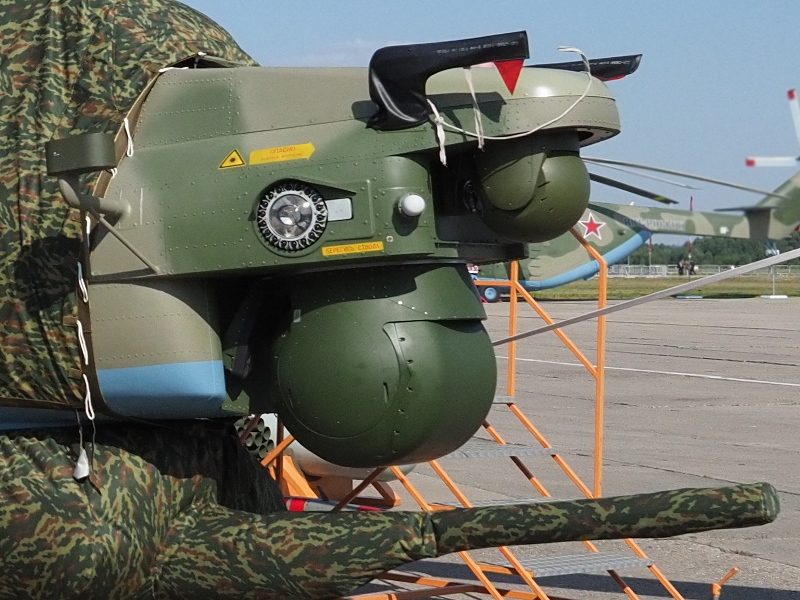
APU-L launchers are designed for Russia's Mi-28 attack helicopters according to the U.S. military's global equipment guide, and each carries two missiles; Iran has previously purchased Russian-made Mi-28 helicopters. The launchers are built to carry the LMUR (Izdeliye 305), a guided missile capable of hitting moving targets that entered the Russian inventory in 2022 and has been widely used in Ukraine. The Financial Times quoted former CIA military analyst Jim Lamson as telling the outlet, "This gives the Iranians a new and qualified strategic weapon system that could threaten U.S. Navy ships." The outlet also reported that Russia has assisted Iran's development of a hypersonic cruise missile through a classified program code-named "C430L," though it said it found no evidence the missile has become operational.
How the Persian press covered it
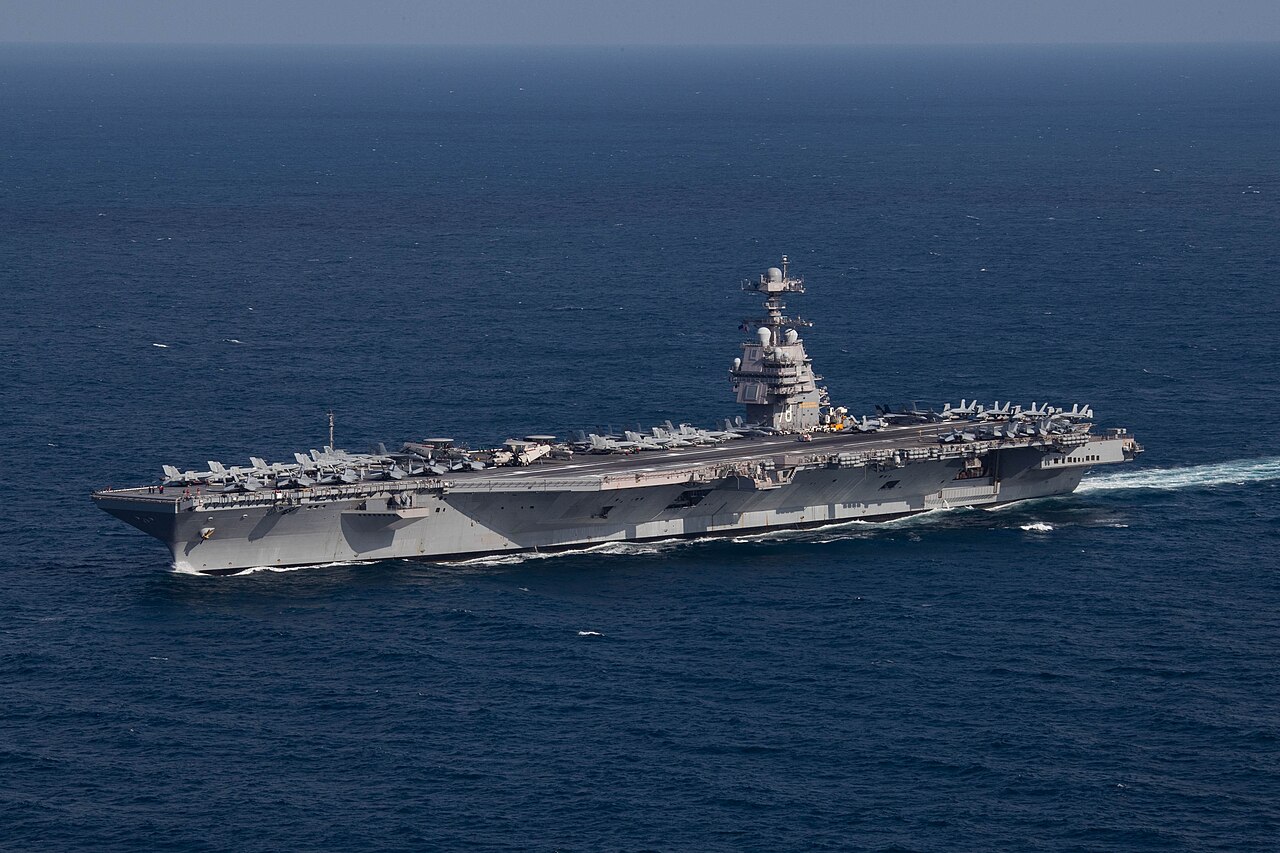
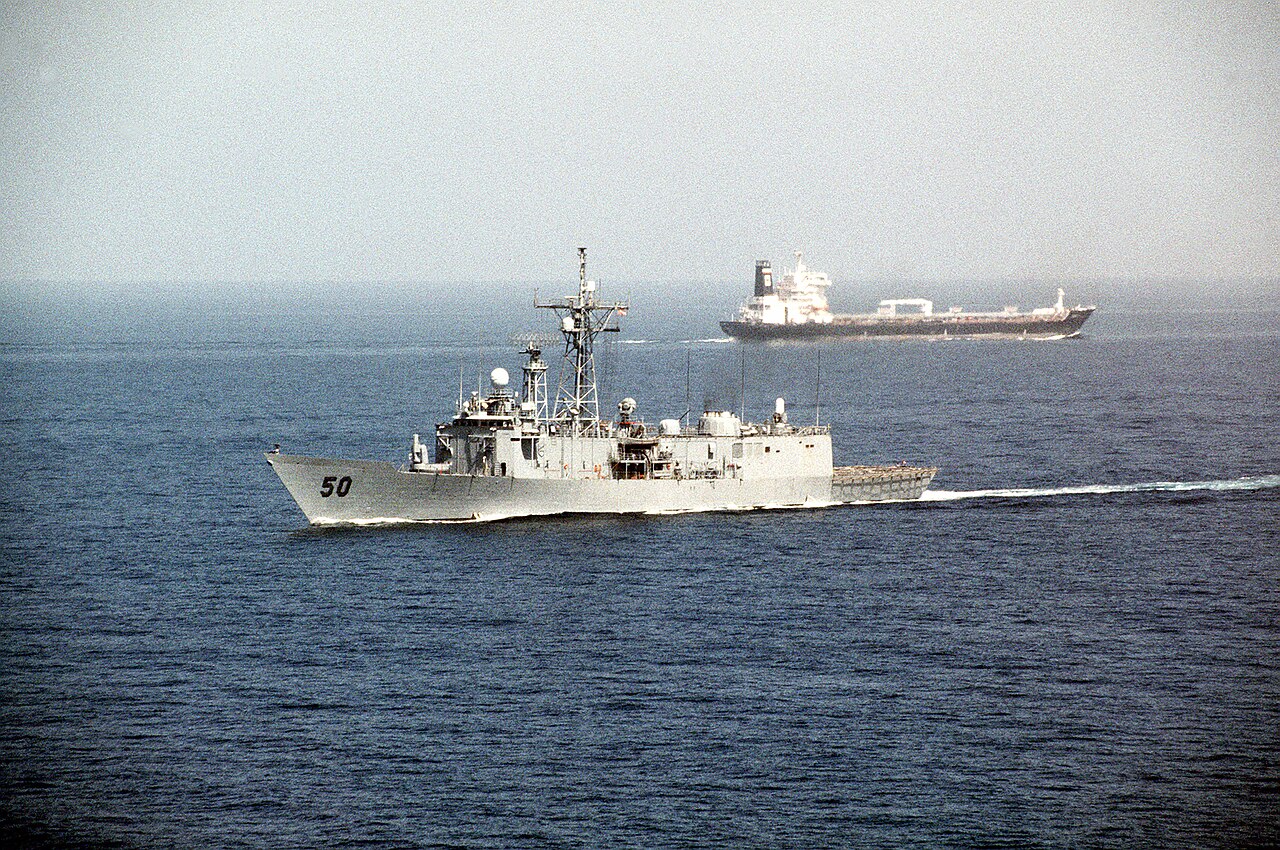
The same Financial Times story was also carried by the traditionalist Ettelaat newspaper, but its headline directly referenced the Hormuz threat, emphasizing "a threat to U.S. Navy ships from Russian attack helicopters." Iran International's report, in turn, aligned with the Financial Times' cautious language, more prominently noting that delivery has not been confirmed and the document does not clarify it.
| Source (orientation) | Headline / framing |
|---|---|
| Iran International (Opposition, diaspora) | "Russia agrees to supply 90 launchers" — a dispatch preserving the Financial Times' cautious tone, emphasizing that delivery remains unconfirmed |
| Ettelaat (Established daily, moderate-traditionalist) | "90 launchers to be supplied; threat to U.S. Navy ships from Russian attack helicopters" — emphasizing potential military effect in the Hormuz region |
Context
Military cooperation between Russia and Iran has deepened incrementally since the Ukraine war began in 2022, and Western intelligence officials say the relationship has strengthened during the recent conflict period. According to a report from November 4, the U.S. was said to be preparing new military action against Iran; the FT report signals Iran's efforts to strengthen its defense capacity amid this tense environment. The cooperation is not one-way: Iran previously delivered Shahed-type attack drones used in Ukraine to Russia and helped Moscow establish local production of these systems. U.S. President Donald Trump said in recent weeks that the support Russia and China have given Iran is "very limited," seeking to downplay this aid; the Financial Times report contains details that contradict those remarks, and whether the two narratives can be reconciled remains unconfirmed.