What is it?
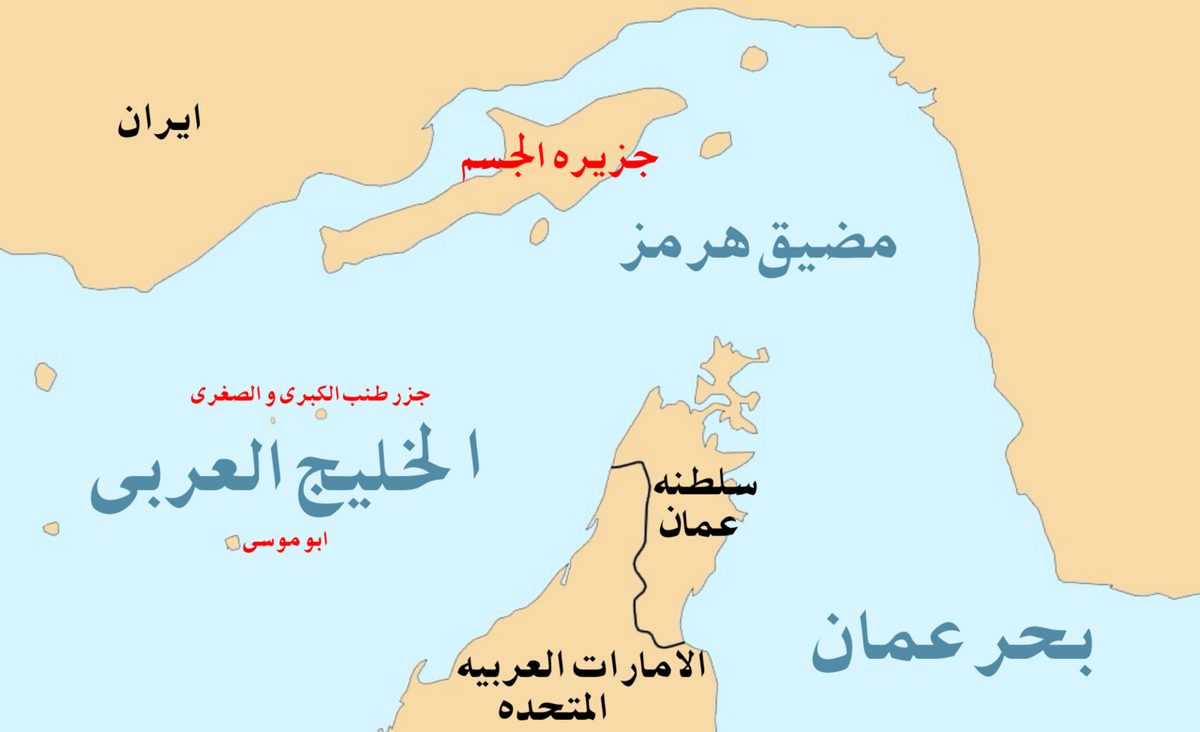
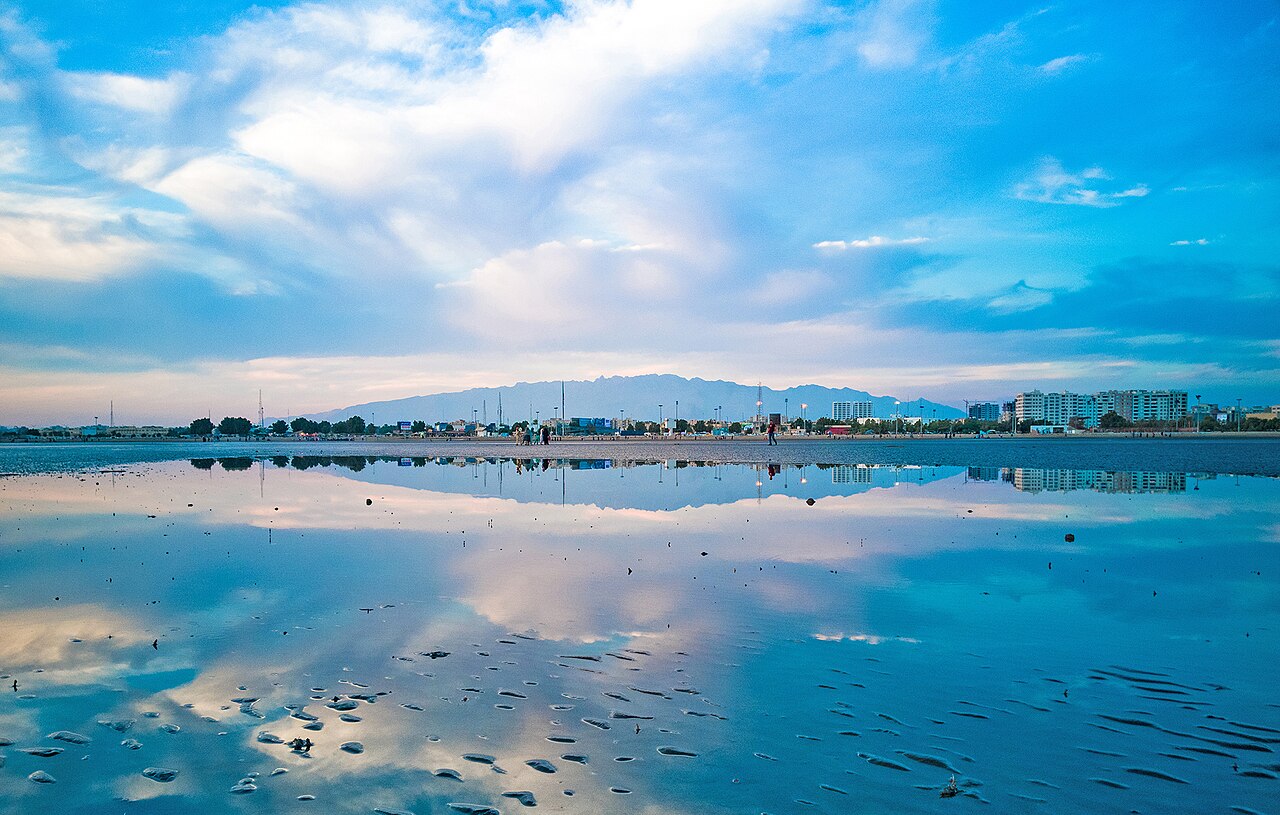
The Strait of Hormuz (Persian pronunciation Tange-ye Hormoz) is the narrow waterway linking the Persian Gulf to the Gulf of Oman and, beyond it, the Indian Ocean. Tange means "strait" or "narrow pass" in Persian. The strait takes its name from Hormuz Island. Iran lies on its northern shore, and Oman's Musandam Peninsula on its southern shore.
How does it work?
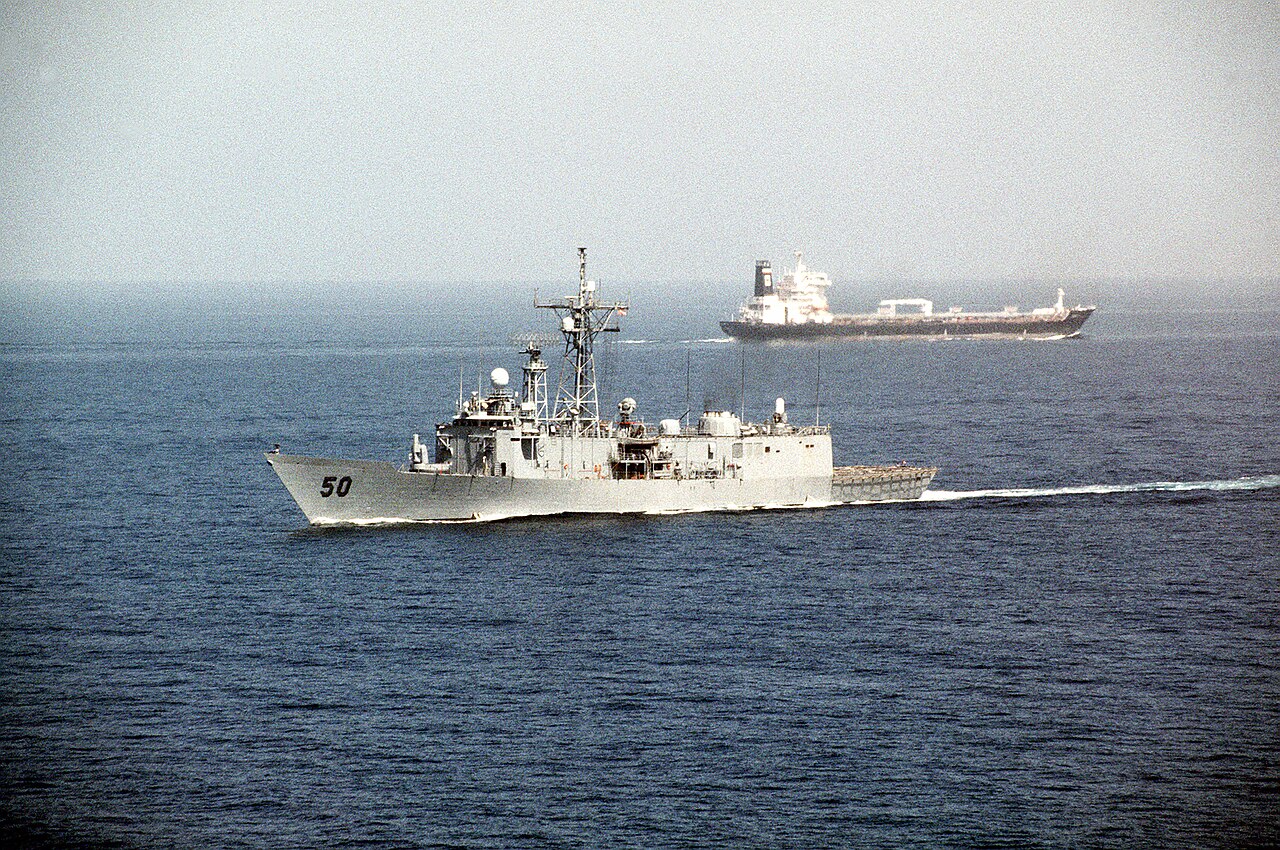
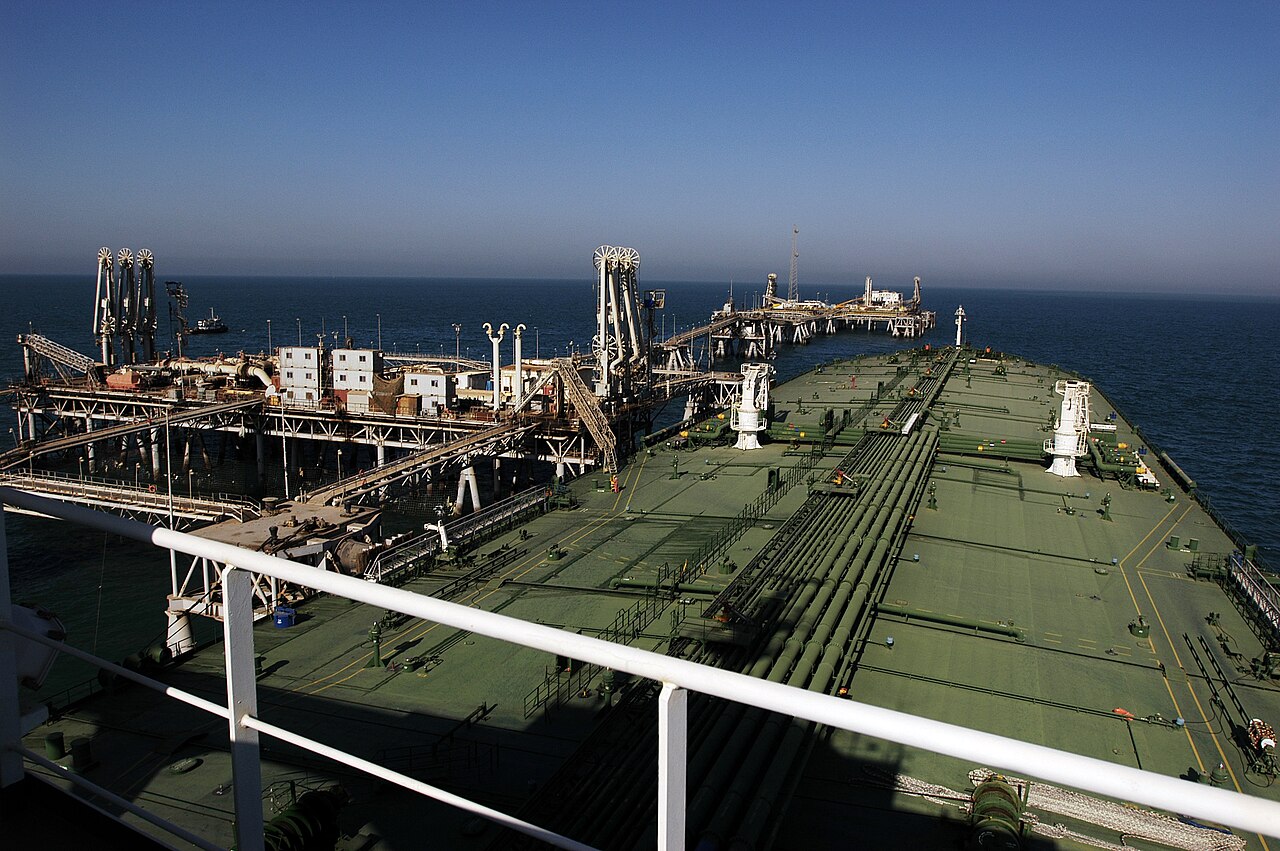
The strait is the main outlet for seaborne energy exports from Saudi Arabia, Iraq, Kuwait, Qatar, the United Arab Emirates and Iran. According to the International Energy Agency (IEA), an average of 20 million barrels per day of crude oil and oil products moved through the strait in 2025, about 25% of the world's seaborne oil trade. The IEA says liquefied natural gas (LNG) passing through the strait accounts for nearly 20% of global LNG trade, and 93% of Qatar's LNG exports use this route.
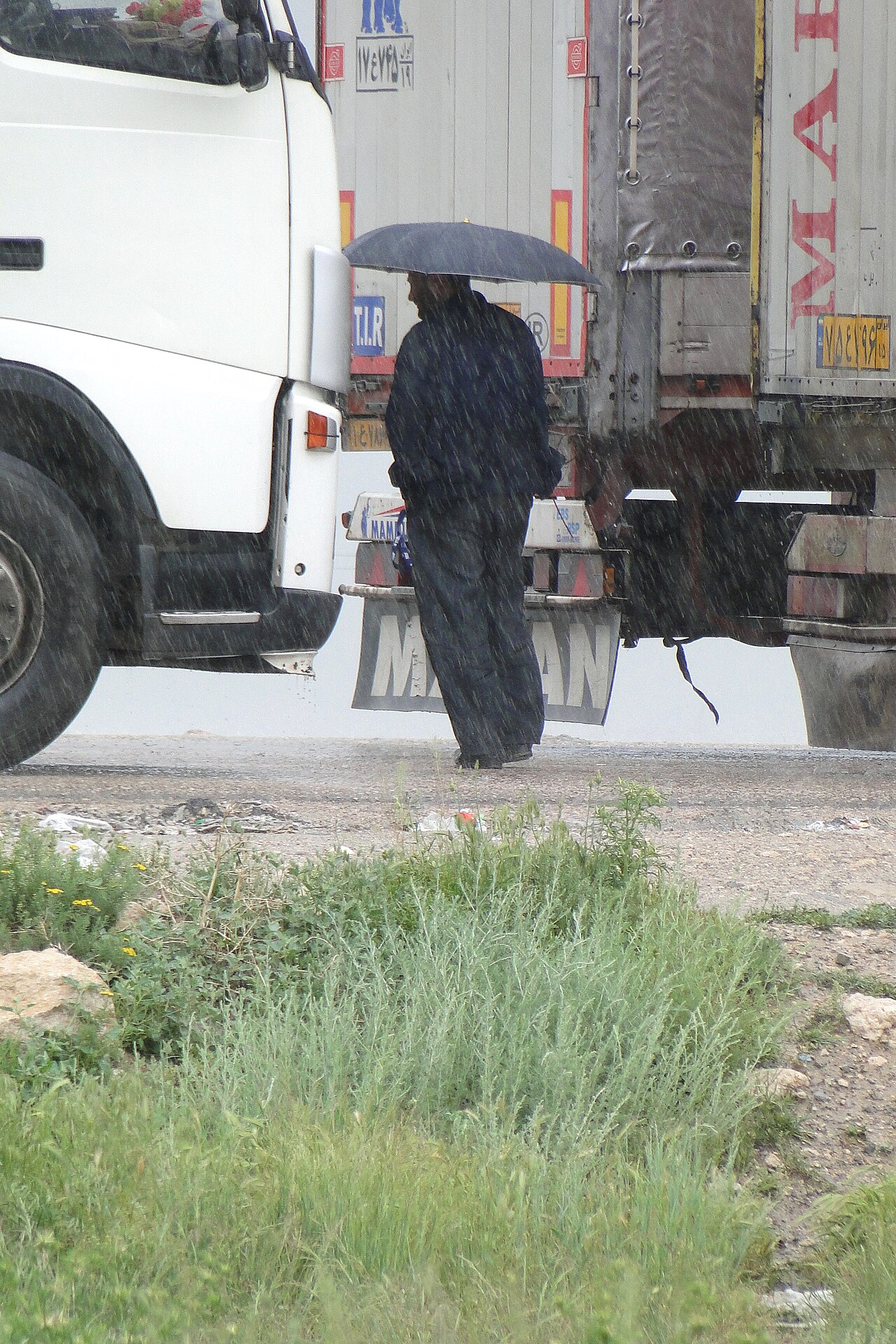
Alternative routes are limited. The IEA estimates the available capacity of Saudi and UAE pipelines that bypass the strait at 3.5 to 5.5 million barrels per day. According to the U.S. Energy Information Administration (EIA), most of the crude passing through the strait goes to Asia, with China, India, Japan and South Korea among the main buyers.
Why does it matter?
Any tension in the strait feeds quickly into oil and gas prices. Iran has long cited the option of closing the strait or controlling passage through it as a deterrent. During the Iran-Iraq War in the 1980s, in the period known as the "Tanker War," both sides attacked commercial shipping.
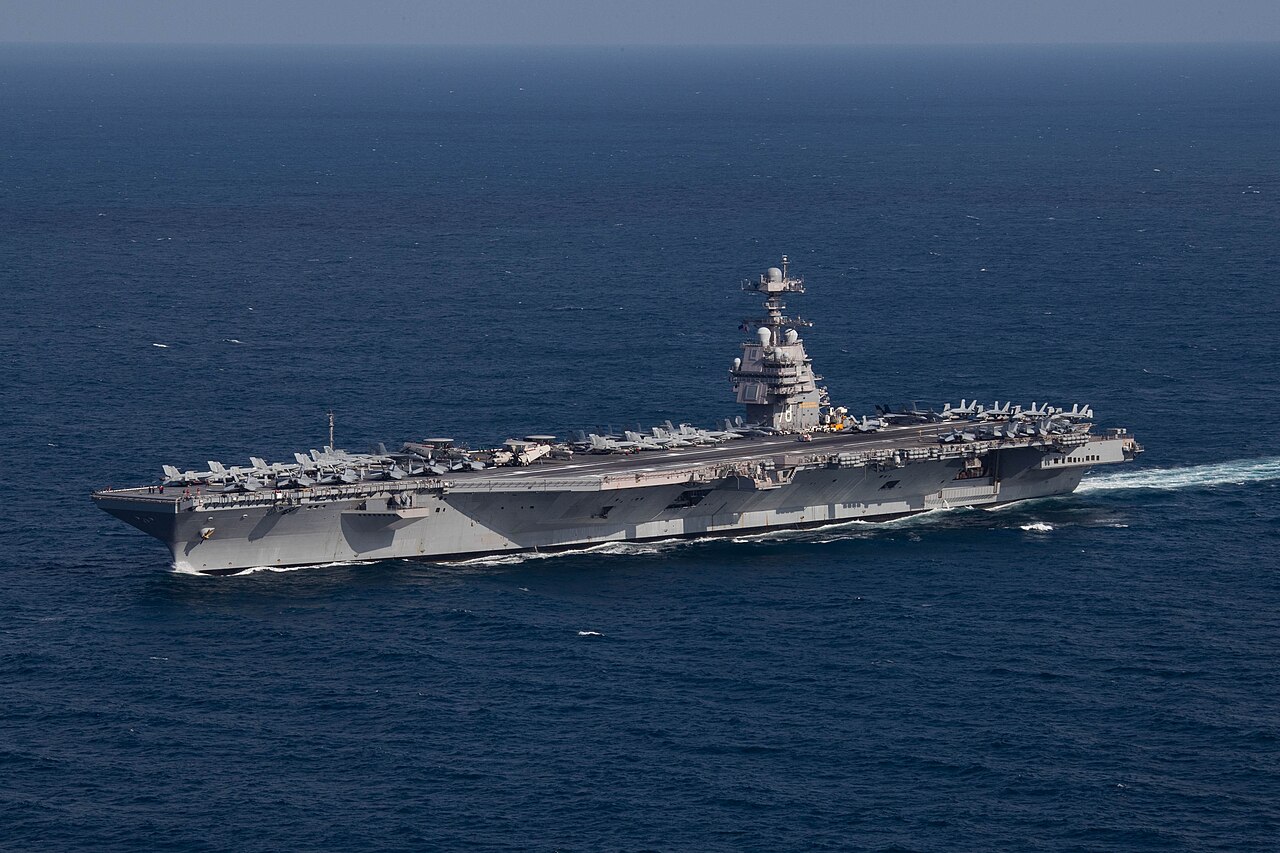
During the 2026 U.S.-Iran war, the strait returned to the center of the news. In the reports Farsçadan monitors, the U.S. naval blockade, the IRGC Navy's warnings to ships using "unauthorized routes," incidents involving tankers and container ships, and safe-passage arrangements between Iran and Oman stand out.
Debates
The legal framework for passage through the strait is disputed. According to its Wikipedia entry, Iran signed the UN Convention on the Law of the Sea (UNCLOS) but never ratified it. The United States hasn't ratified it either, but like most countries it argues that the convention's "transit passage" right applies to the strait. Iran says passage is subject to its own security rules. Accounts of what caused incidents often conflict as well: the IRGC may describe an event as a "mine," while the United States or third countries call it an "attack."