Per IRNA citing Reuters, Brent crude futures on Friday (November 6) surged more than $2 per barrel to cross $100. The price movement came immediately following a sharp decline that occurred after Democrats' decisive victory in U.S. mid-term elections.
Per Bloomberg reporting cited by Donya-ye Eghtesad, after the sharp decline following the Democrats' clear victory in U.S. mid-term elections on Thursday, Brent rebounded by approximately 4 percent in the previous session and traded near $100 per barrel. According to the report, market participants are weighing the possibility that the Middle Eastern war could end; this calculation coincided with news reports from Axios and the New York Times on the same day indicating that diplomatic options between Washington and Tehran are back on the table. Donya-ye Eghtesad also noted that despite this rebound, near-term contracts were heading toward a 15 percent decline this week—the largest weekly loss since April 2020.
According to the report, prices have fluctuated over a wide $19 range since Monday; this volatility reflects a market that instantly shifts direction based on developments in the eight-month Iran-U.S. conflict. In the post-election decline, investors appear to have priced down risk on the expectation that the Democratic congressional majority could force the Trump administration to end the war; in the subsequent rebound, news reports about the absence of a final diplomatic settlement and CENTCOM's ongoing preparations for possible new strikes drove prices up again. The IRNA report did not include this contextual analysis; it conveyed only raw price data sourced from Reuters.
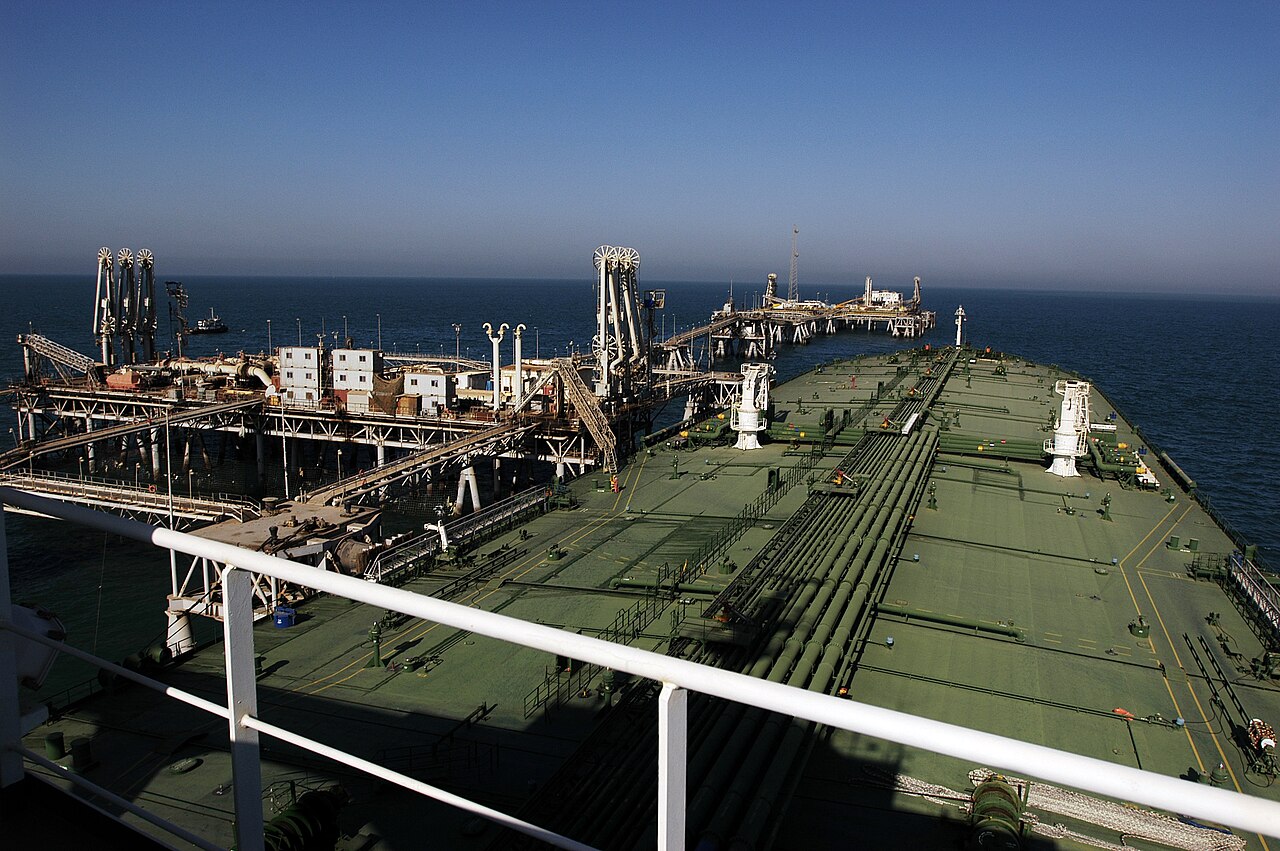
This sharp volatility in energy markets reflects a pattern repeated since the start of the war: price spikes when news breaks of attacks on a tanker in the Strait of Hormuz, and rapid retreats when diplomatic progress or ceasefire prospects strengthen. This week's moves exemplify how sensitive prices have become to both scenarios; the 15 percent weekly loss despite the rebound shows that investors are not yet convinced the war risk has truly diminished.
How the Persian press covered it
| Source (orientation) | Headline / framing |
|---|---|
| IRNA citing Reuters (State news agency, government) | Focuses on the fact that "prices surged more than $2 to cross $100," offering no contextual detail. |
| Donya-ye Eghtesad citing Bloomberg (Economic daily, technocratic) | Links the price movement to U.S. election results and the possibility of war ending, noting the weekly net loss. |
Context
Oil prices are moving directly under the influence of eight months of Iran-U.S. tensions and security issues over the Strait of Hormuz. EU officials disclosed in recent days that keeping Hormuz closed has cost Europe €127 billion, and the UAE's state oil company ADNOC announced that the war had consumed 1 billion barrels from global reserves. Friday's rebound suggests the market is pricing in diplomatic solutions cautiously; however, the magnitude of weekly losses indicates investors remain uncertain about the conflict's trajectory.
For information only; not investment advice.