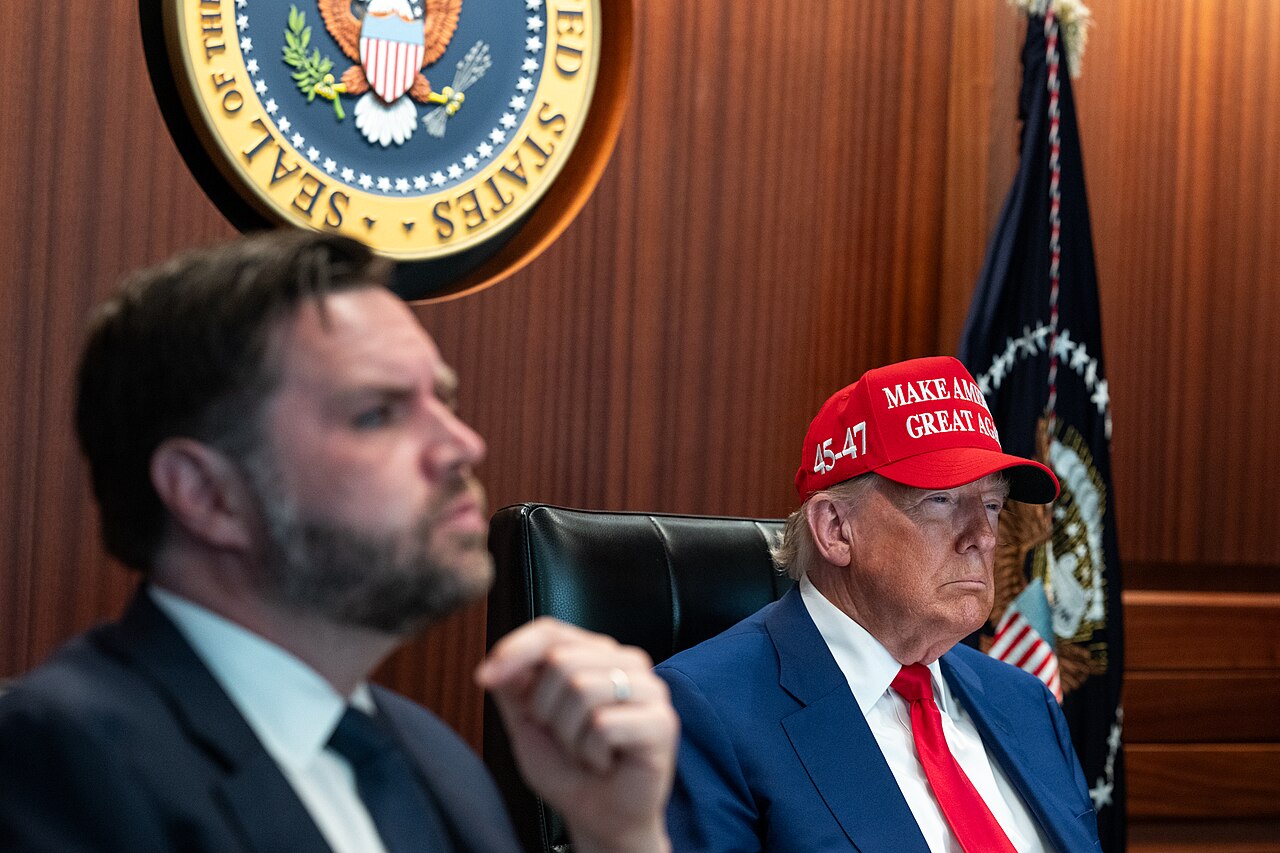
Per Hamshahri's account of Axios reporting, U.S. President Donald Trump, following an urgent meeting with his national security team, will decide in the coming days on possible new military action against Iran. On the same day, the New York Times reported that Tehran is weighing "concrete proposals" regarding the future of its nuclear program.
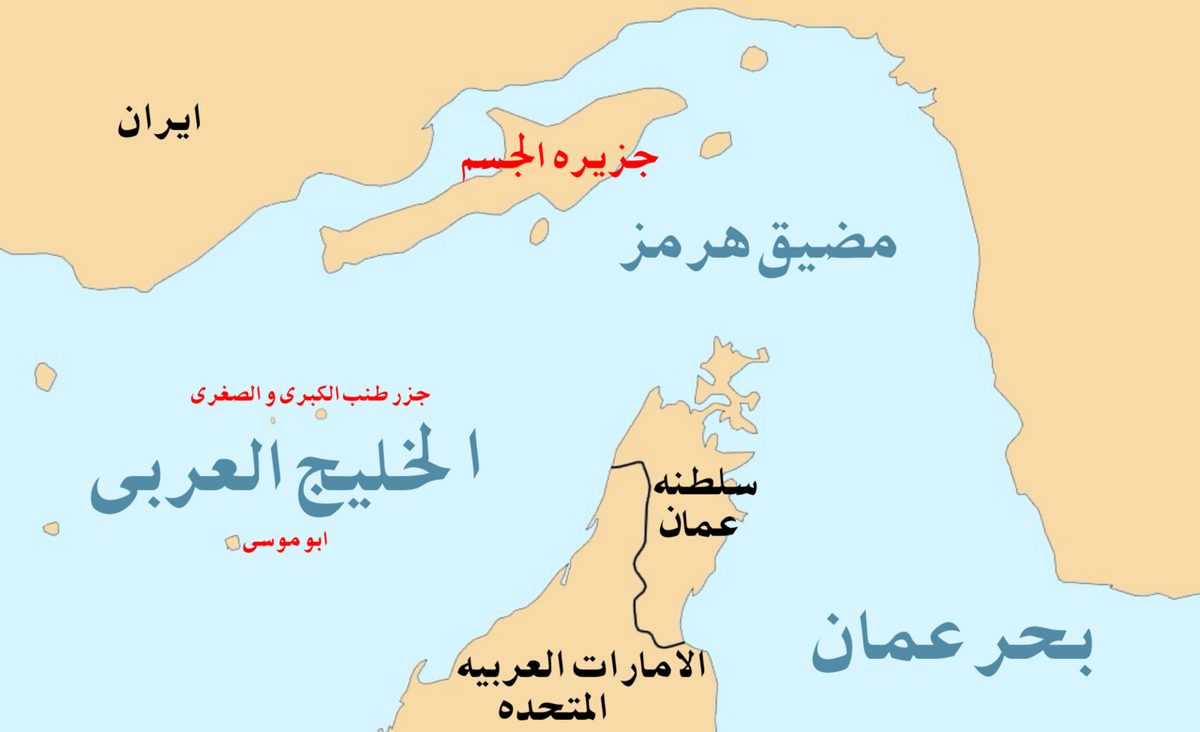
According to unnamed U.S. officials cited by Axios, Trump is evaluating three options following Thursday's meeting (U.S. time): renewed strikes, sustained economic pressure, or a diplomatic agreement. The report states that Qatar is mediating a framework proposing that in exchange for U.S. lifting of its naval blockade, partial unfreezing of Iranian assets, and reopening of the Strait of Hormuz, inspections and nuclear negotiations would resume. Another official said CENTCOM has completed preparations for possible major strikes, but has not yet received new orders from the White House. Axios wrote that the deployment of a third U.S. carrier strike group to the region could signal renewed strike intent; it noted that the USS Theodore Roosevelt carrier strike group will remain in Singapore for a few days starting Friday and will not reach the CENTCOM area of responsibility until mid-November.
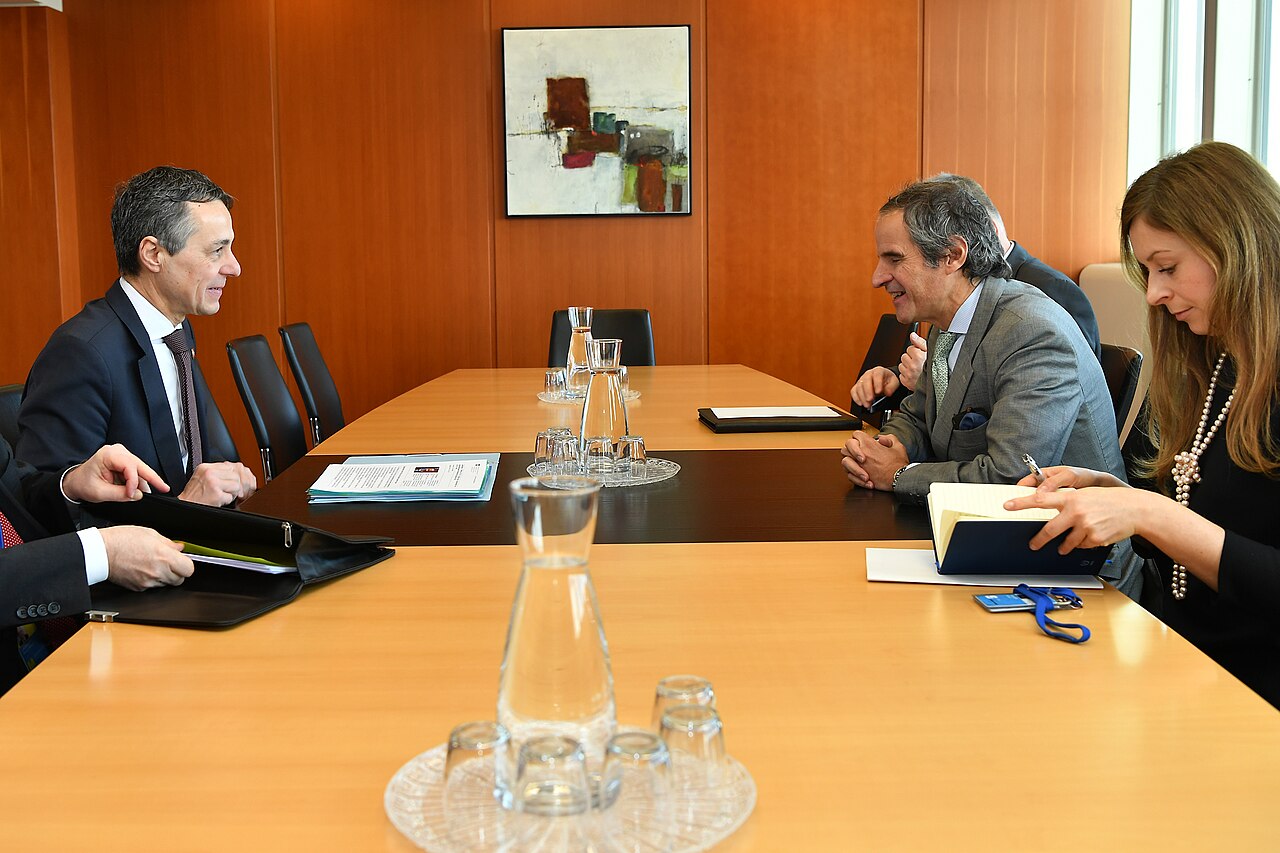
Per the New York Times account, based on five sources—five of them from Iran and the U.S.—Tehran, following weeks of hardline posturing, has signaled a desire to return to nuclear negotiations; the sources described the proposals being evaluated as "concrete" but offered no details. According to the newspaper, Qatar conducted two rounds of talks in Tehran and one in Doha over the past week; two officials also reported contacts between Qatari and Iranian officials in Armenia. U.S. Vice President JD Vance, according to three sources, is described as one of the strongest backers of the diplomatic resolution process that Qatar is undertaking. Iran's Foreign Ministry spokesman Ismail Bakaei stated at a November 11 press briefing that Qatari mediators had not yet broached the nuclear issue, and that entering into nuclear talks without Iran's demands being met would be "irrational"; Supreme National Security Council Secretary Mohsin Rezaei had also reiterated that enriched nuclear material would remain in Iran.
How the Persian press covered it
| Source (orientation) | Headline / framing |
|---|---|
| Hamshahri (Tehran municipality, principlist) | Frames the story as "White House secret meeting exposed," highlighting new strike threats and presenting Qatar's proposal as one option on Trump's table. |
| Iran International (Opposition, diaspora) | Citing the NYT, reports "Tehran weighing concrete proposals on nuclear program," emphasizing diplomatic progress and partial success of Qatar's mediation. |
| Donya-ye Eghtesad (Economic daily, technocratic) | Does not report the story directly; based on Bloomberg, writes that oil prices have recovered "on the possibility of war ending," showing markets pricing in diplomatic options cautiously. |
Context
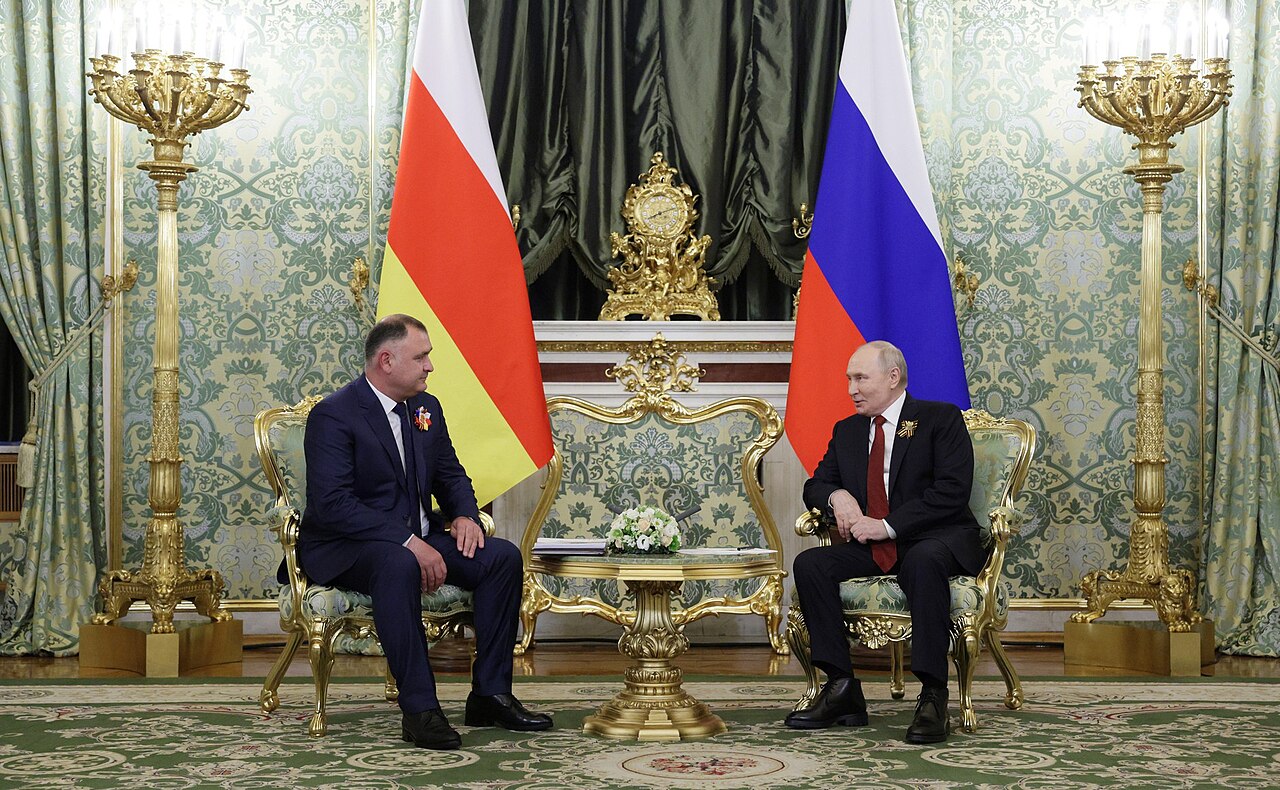
These developments came after eight months of Iran-U.S. conflict and following Democrats' gains in U.S. mid-term elections; JD Vance and some Republican strategists tied the election loss directly to the Iran war. Foreign Minister Abbas Araghchi, on the same day, held separate phone calls with foreign ministers of Saudi Arabia, Qatar, UAE, Pakistan, Turkey, Kuwait and Cyprus alongside diplomatic talks to address regional stability and diplomatic initiatives. On the same day, Supreme National Security Council Secretary Mohsin Rezaei traveled to Moscow in an undisclosed trip to meet with Putin (details). The fate of enriched uranium stockpiles remains the main sticking point in negotiations: while Trump has expressed discomfort with Iran holding these materials, Iranian officials oppose their removal from the country. The issue directly links to recent reporting on strike plans and Doha negotiations.