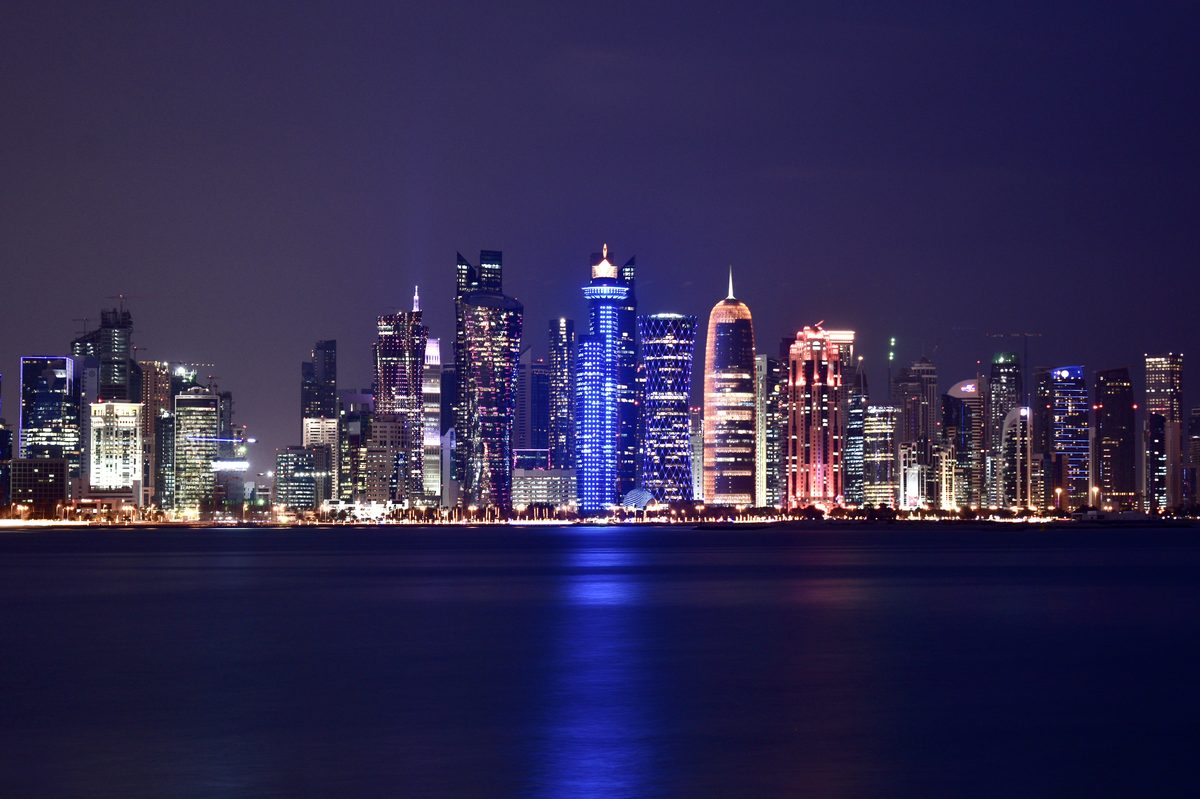
According to the economic newspaper Donya-ye Eghtesad, Axios correspondent Barak Ravid wrote that a diplomat involved in the Iran-U.S. negotiations told him the Iranian delegation left Doha Sunday morning (November 1). According to Donya-ye Eghtesad, the diplomat said "the previous day's talks went positively and mediators are trying to bridge the differences in views and remaining concerns from the previous day's meetings between the two sides." Hamshahri published an identical text based on the same Axios report.
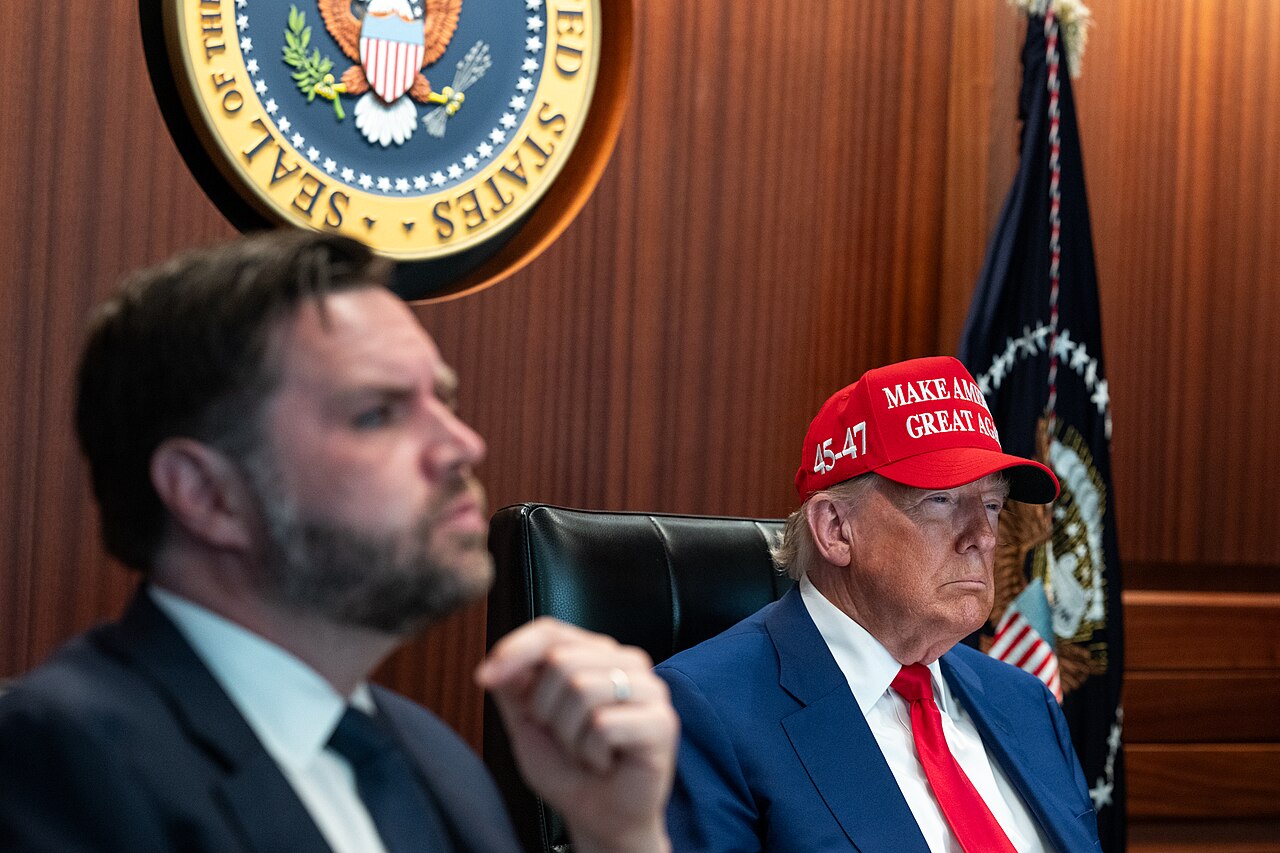
In a separate Donya-ye Eghtesad report, a statement made by an unnamed Iranian security source to Al Jazeera was cited: according to this source, Tehran is continuing talks with the U.S. side through Qatari and some other mediators, but is harboring "not even the slightest optimism" about Trump's intentions. The same source said that a message received from U.S. Vice President JD Vance was "assessed positively" in Tehran and its response is under review; however, the source cautioned: "There may be different voices in the U.S., but experience shows that the president and his circle succumb to the pressure of Netanyahu and war-backed hardliners."
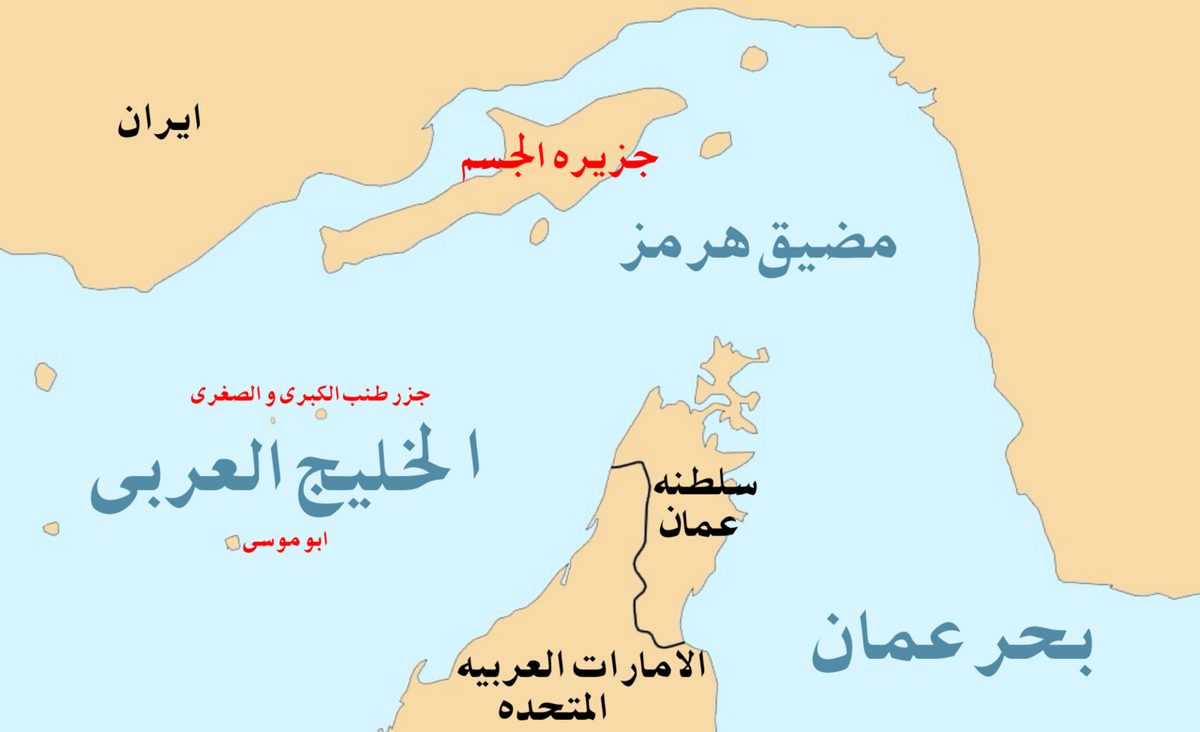
On the same day, Foreign Minister Seyed Abbas Araghchi made a far more cautious statement. According to IRNA and Ettelaat, Araghchi told reporters on the sidelines of a Parliament Committee on National Security and Foreign Policy meeting that negotiations with Qatari mediators over a "two-day plan for Hormuz" were continuing, but that they "had not yet reached a definitive conclusion." Araghchi clarified that the delegation sent to Qatar was at the level of deputy foreign minister and that no program was "essentially prepared" for meetings with the American side at this visit. According to Araghchi, Iran is ready for both defense and diplomacy; the choice lies with the Americans and their "judgment."
How the Persian press covered it
| Source (orientation) | Headline / framing |
|---|---|
| Donya-ye Eghtesad, Hamshahri | Emphasizes the "positive progress" and "delegation left Doha" frame sourced from Axios/Ravid. |
| IRNA, Ettelaat | Highlights Araghchi's statements: "no definitive conclusion," "no direct talks planned"; does not reference the optimistic Axios framing. |
The difference between the two frames concerns whether a definitive outcome was reached, which is unconfirmed: foreign-sourced leaks show the process in a positive light, while Iran's own foreign minister presents a more cautious picture to the public. This discrepancy may indicate that Tehran prefers to appear measured to its public and that details of the process have not yet been clarified between the parties; however, which account comes closer to the real state of the process cannot be determined from these reports.
Context
The indirect talks mediated by Qatar represent the most concrete diplomatic channel between the U.S. and Iran since the 12-day war in June 2026. A similar Qatari shuttle diplomacy was reported on October 31, when Al Arabiya claimed a draft negotiation framework had emerged; today's report offers no new information on whether that claim has since been confirmed at an official level. As reported in the account of Trump's harsh phone call with Netanyahu on the Iran issue, allegations persist that figures within the Israeli government are pressuring for a new strike against Iran following the U.S. elections, while at the same time signals are emerging that Washington is prioritizing diplomacy. These contradictory signals suggest the outcome of the talks remains open. This report bears no direct connection to Turkey.