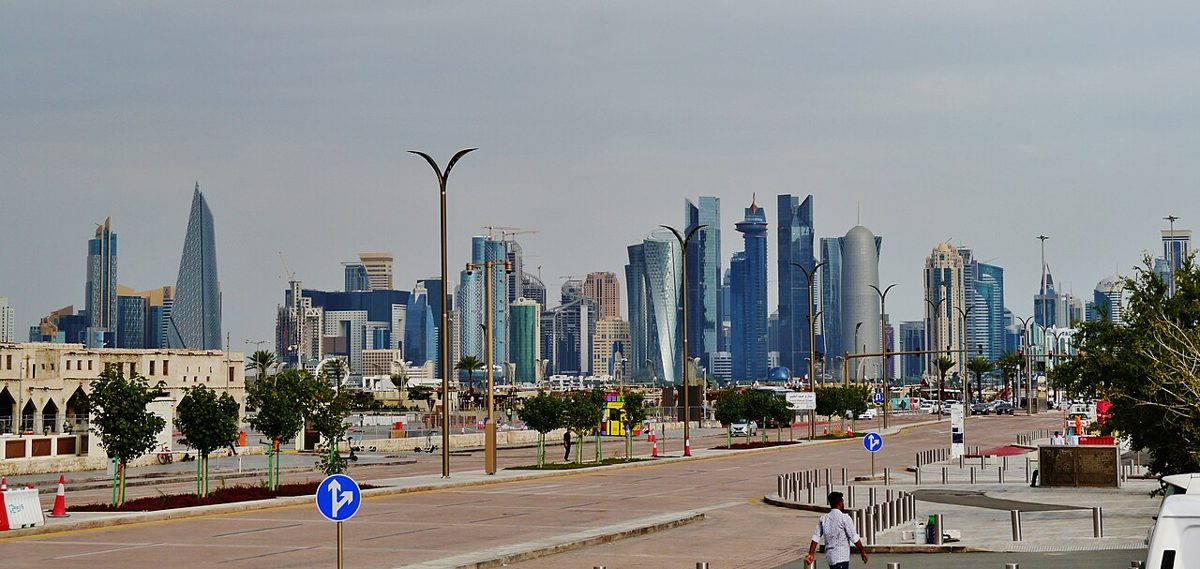
Qatari mediators returned to the capital Doha on Friday after 12 hours of talks in Tehran with Iran over a possible agreement with the U.S. According to Donya-ye Eqtesad, Axios correspondent Barak Ravid reported that the Qatari delegation left Tehran after a day of talks and the Iranian negotiating team boarded the same plane to Doha; Hamshahri confirmed the same Axios report and added that talks were expected to continue on Saturday.
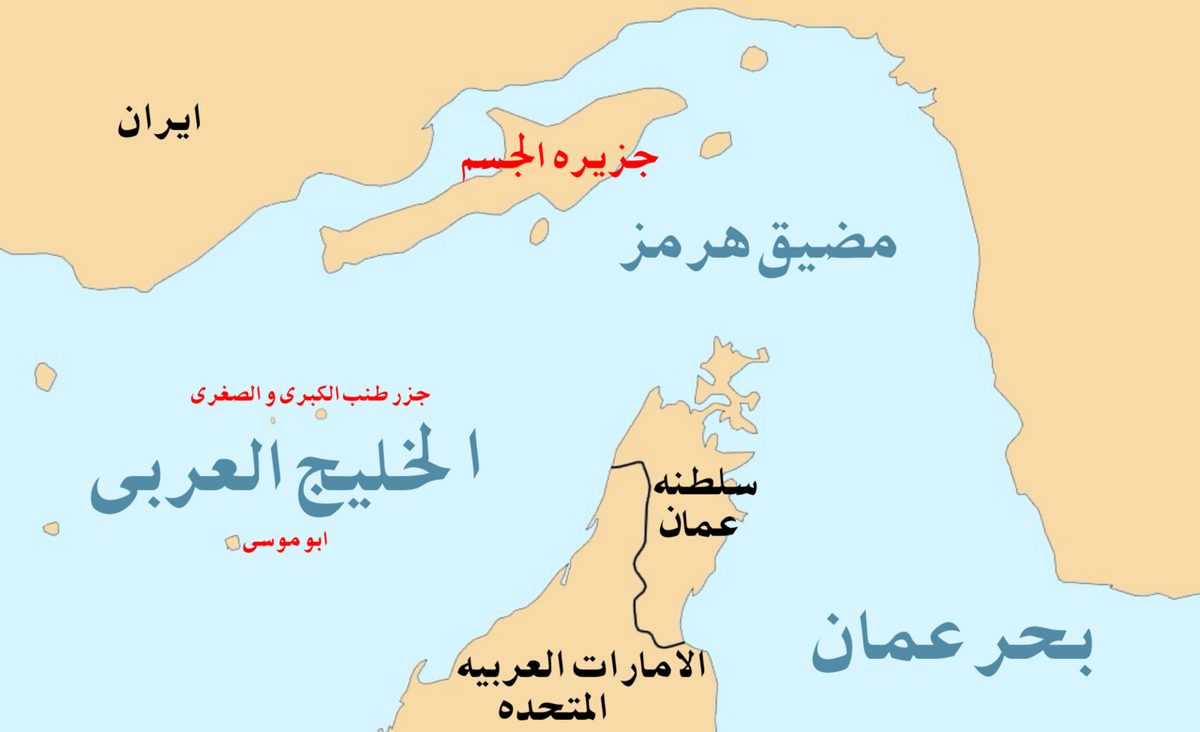
Concurrently, Saudi-based Al Arabiya claimed details of a draft negotiating framework; Donya-ye Eqtesad and Hamshahri reported the same Al Arabiya claim the same day. According to Al Arabiya, the framework contains four main elements: Iran transfers its stocks of highly enriched uranium to a third country acceptable to both sides or reduces enrichment levels; the Strait of Hormuz reopens to international maritime traffic within seven days of initial agreement; China assumes a guarantor role for the agreement's implementation and sustainability; and direct negotiations possibly shift from Istanbul to Doha. Al Arabiya further claimed that in return, the U.S. is expected to ease sanctions, blockades, and economic restrictions; an independent verification mechanism will monitor parties' compliance, and a mechanism will be established for arbiters and guarantor parties to resolve disputes.
Al Arabiya's claims have not been confirmed by any official source; neither Tehran nor Washington nor Doha verified the reported framework points. Hamshahri and Donya-ye Eqtesad reported Al Arabiya's claims using the word "claim" (ادعا) to underscore this uncertainty.
How the Persian press covered it
| Source (orientation) | Headline / framing |
|---|---|
| Donya-ye Eqtesad (technocratic) | Reports both Axios's Doha-Tehran shuttle-diplomacy story and Al Arabiya's framework claims separately, marking both as "claims." |
| Hamshahri (principlist) | Relays the same two stories; emphasizes "Chinese guarantor to uranium transfer" in its Al Arabiya headline. |
Both sources present Al Arabiya's claims as unverified; the information about ongoing talks is conveyed in more definitive language citing Axios.
Context
Qatar's mediation is not new: on October 26, Trump's "will we make a deal or finish the job" remarks signaled continued Qatari mediation. Today's development contains the first detailed claims about whether that process has evolved into a concrete framework. The uranium-transfer and Hormuz-reopening proposals suggest the current crisis aims to address both nuclear and maritime-security dimensions simultaneously; however, whether the process has formalized to this level of detail remains uncertain.
Doha has repeatedly acted as mediator between Iran and the U.S. since the war began; its geographic proximity, strong military ties with Washington (the U.S. operates its largest regional air base in Qatar), and sustained diplomatic channels with Tehran position it for this role. China's possible guarantor role is also noteworthy: as both Iran's largest oil customer and a power competing with the U.S., Beijing could function as a balancing element in such an agreement. However, the seven-day Hormuz-reopening timeline Al Arabiya claims directly contradicts the fourth tanker fire in the same strait today; this either suggests negotiations are proceeding disconnected from field realities, or that Al Arabiya's claims are premature or inaccurate. None of the parties has yet explained this inconsistency.