According to Hamshahri, close to the Tehran municipality, a senior executive of Abu Dhabi National Oil Company (ADNOC) stated that approximately 1 billion barrels have been withdrawn from global reserves since the war against Iran began, and the world's emergency energy stockpiles have been depleted. Hamshahri published the report as a brief item tagged with "U.S.-Israel War Against Iran," "Exclusive," and "UAE"; the report does not specify which period the figures cover, which countries contributed how much to the drawdown, or what criteria were used to calculate the consumption. The article adds no independent expert assessment or corroboration from another source; the claim is reported directly attributed to the ADNOC executive without additional analysis.
In the report's context is escalating tension in the Persian Gulf and the Strait of Hormuz. Other Hamshahri reports published the same day reference alleged Revolutionary Guards responses to U.S. forces in the region and an alleged attack on Qeshm Island; however, these appear only as related links on the page, so it is unclear whether Hamshahri directly establishes a causal link with the ADNOC statement—this connection should be marked "unconfirmed." The ADNOC executive's statement functions as a warning reflecting supply security concerns in oil markets; the figure cited (approximately 1 billion barrels) stands out given that strategic petroleum reserves are normally held for long-term supply shocks. That an executive would say these stocks have been depleted at this scale suggests market participants may read the regional conflict as a more serious supply risk than ordinary tensions; however, Hamshahri's report does not directly interpret this, merely relaying the statement. The simultaneous appearance on newswires of midterm U.S. election-related allegations of Iran attacks suggests military tension and energy supply concerns are overlapping in time; but a direct causal link cannot be drawn from these reports.
Context
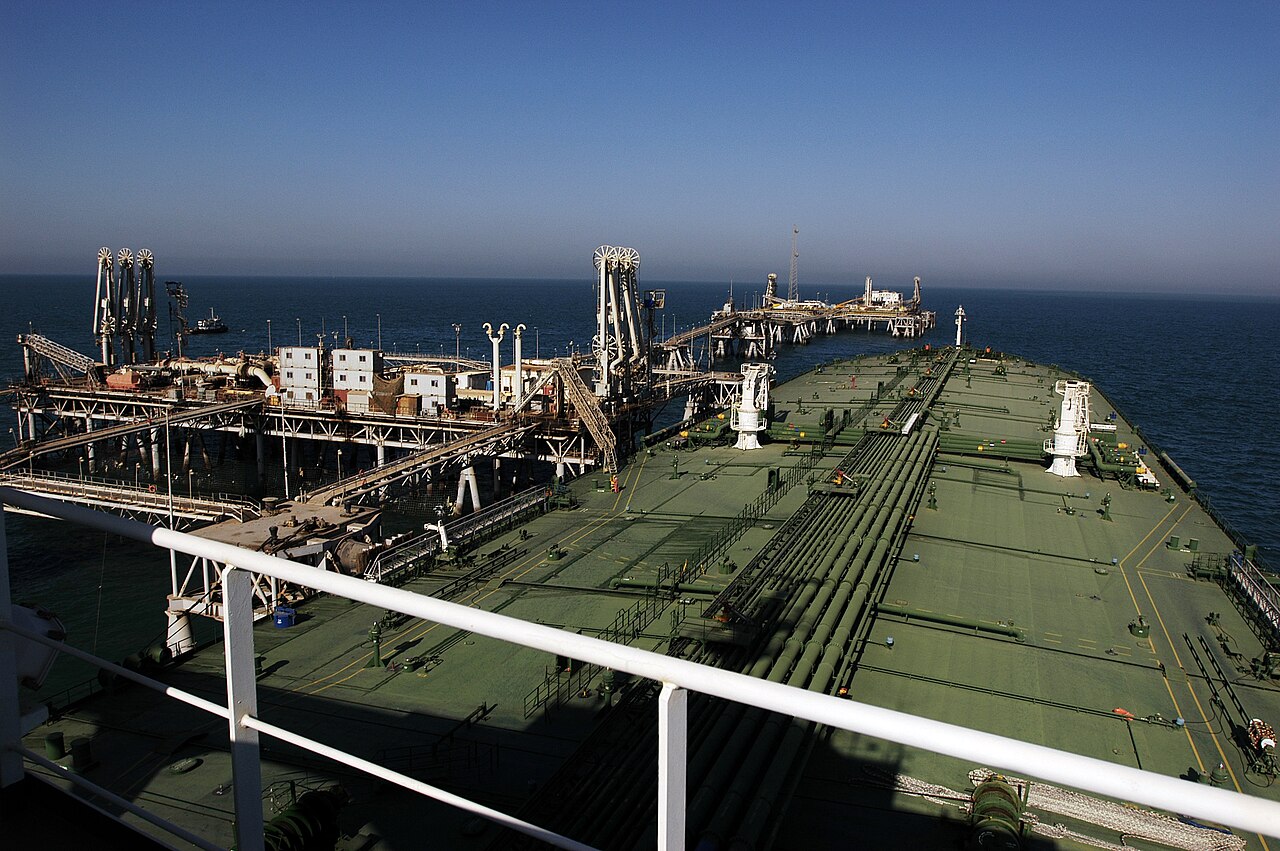
The Strait of Hormuz is a narrow maritime passage through which significant global oil trade flows, and any conflict in the region can affect everything from insurance premiums to freight rates. Like a report published November 2 on a tanker attack in the Persian Gulf, security incidents in the region and global energy market uncertainty are frequently discussed together in Persian and regional press. The UAE is a key U.S. security partner in the region, and ADNOC is among the largest state oil companies on the Persian Gulf coast; therefore, statements from senior company executives may signal that supply concerns are shared at official levels. However, Hamshahri's report provides no data on how these concerns translate into actual global crude prices; the concrete market impact of the claim thus remains unverified.
"Emergency energy stockpiles" typically refers to strategic petroleum reserves that governments have accumulated over years against supply disruptions; these reserves are normally deployed not for brief price fluctuations but for serious, sustained supply shocks. When an executive says these stockpiles have been depleted by a billion-barrel scale, it suggests that market participants may be reading the regional conflict as a serious supply threat rather than routine tension. However, Hamshahri does not make this interpretation directly—it simply reports the statement. The same day, allegations of U.S. attacks on Iran coinciding with the U.S. midterm election show military tension and energy supply concerns overlapping in time; but no direct causal link can be inferred from these reports. The report carries no direct Turkey connection.
For information only; not investment advice.
🤖 Generated with Claude Code