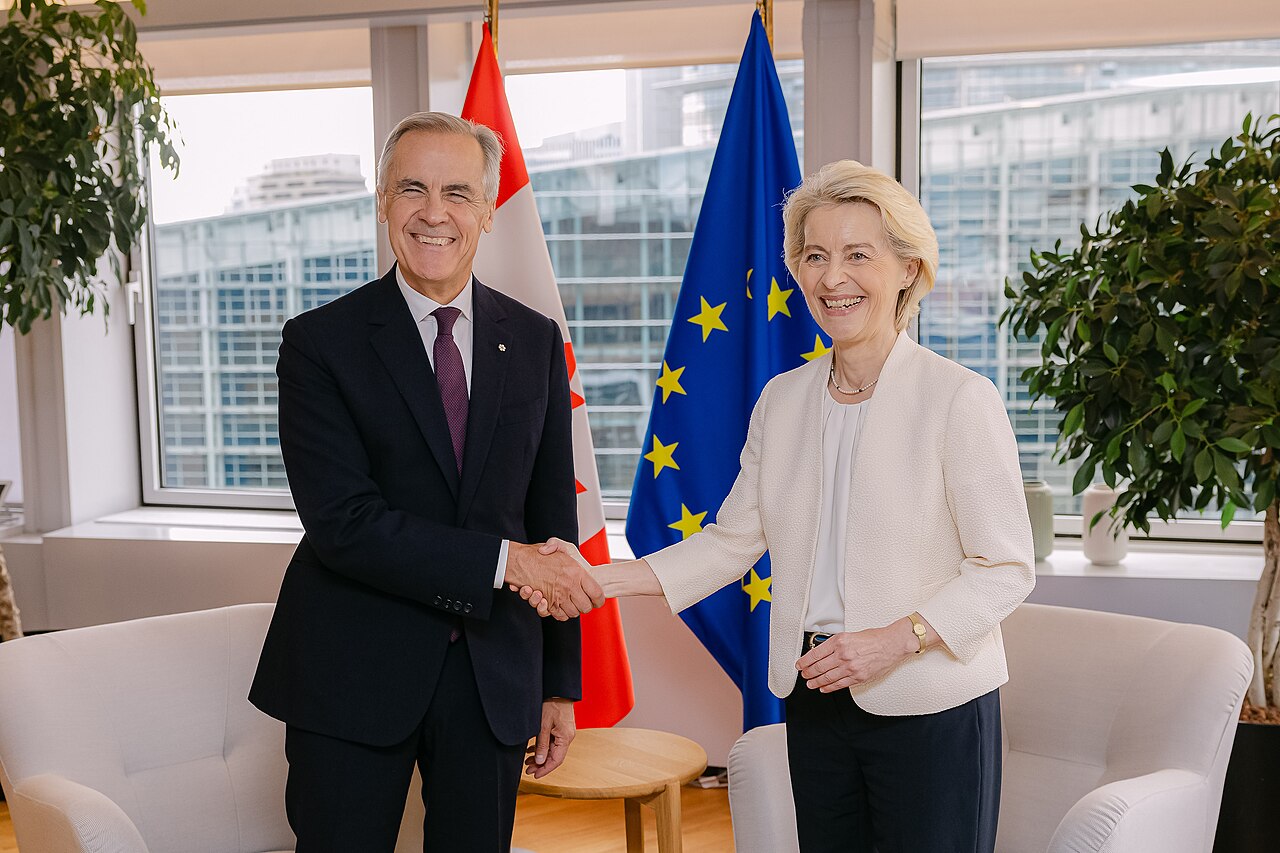
According to ISNA, European Commission President Ursula von der Leyen, speaking at a "Win-Win Brussels" meeting held in Brussels, said that the closure of the Strait of Hormuz has imposed a heavy bill on Europe. According to von der Leyen, fossil fuel imports have imposed an additional 127 billion euro cost on Europe since the strait closed; meanwhile, the continent, by her own account, has gained "not a single molecule" of additional energy.
According to ISNA's report, von der Leyen disclosed this figure during remarks on the EU's energy security agenda. The Commission President emphasized that months of strait closure have doubled the continent's energy bill but brought no additional supply; however, ISNA's report does not specify the date range for which von der Leyen calculated the figure or the methodology used.
This figure is notably higher than earlier figures disclosed by EU officials during previous months of the crisis. In April 2026, von der Leyen said that the additional cost to fossil fuel import expenses since the conflict began was approximately 22 billion euros; in May, the EU Energy Commissioner's statement updated that figure to a range of 27-35 billion euros. Whether the jump to 127 billion euros stemmed from a methodology change, a longer calculation period, or another factor is not explained in ISNA's report; for this reason, the large discrepancy between the earlier and new figures is being reported with an "unconfirmed" caveat.
The "Win-Win Brussels" meeting at which von der Leyen spoke is a platform where the EU discusses the continent's competitiveness and energy security agenda with business and civil society representatives. Von der Leyen had previously reiterated in earlier months that restoring maritime safety in the Strait of Hormuz is "of paramount importance" to the EU and noted that diplomatic contact with Gulf countries was being conducted to keep the strait open. Von der Leyen's escalating figures at each announcement signal that if the crisis continues, Europe's energy bill could climb even higher; this is also a factor driving the continent's efforts to diversify LNG imports and strengthen strategic reserves.
Context
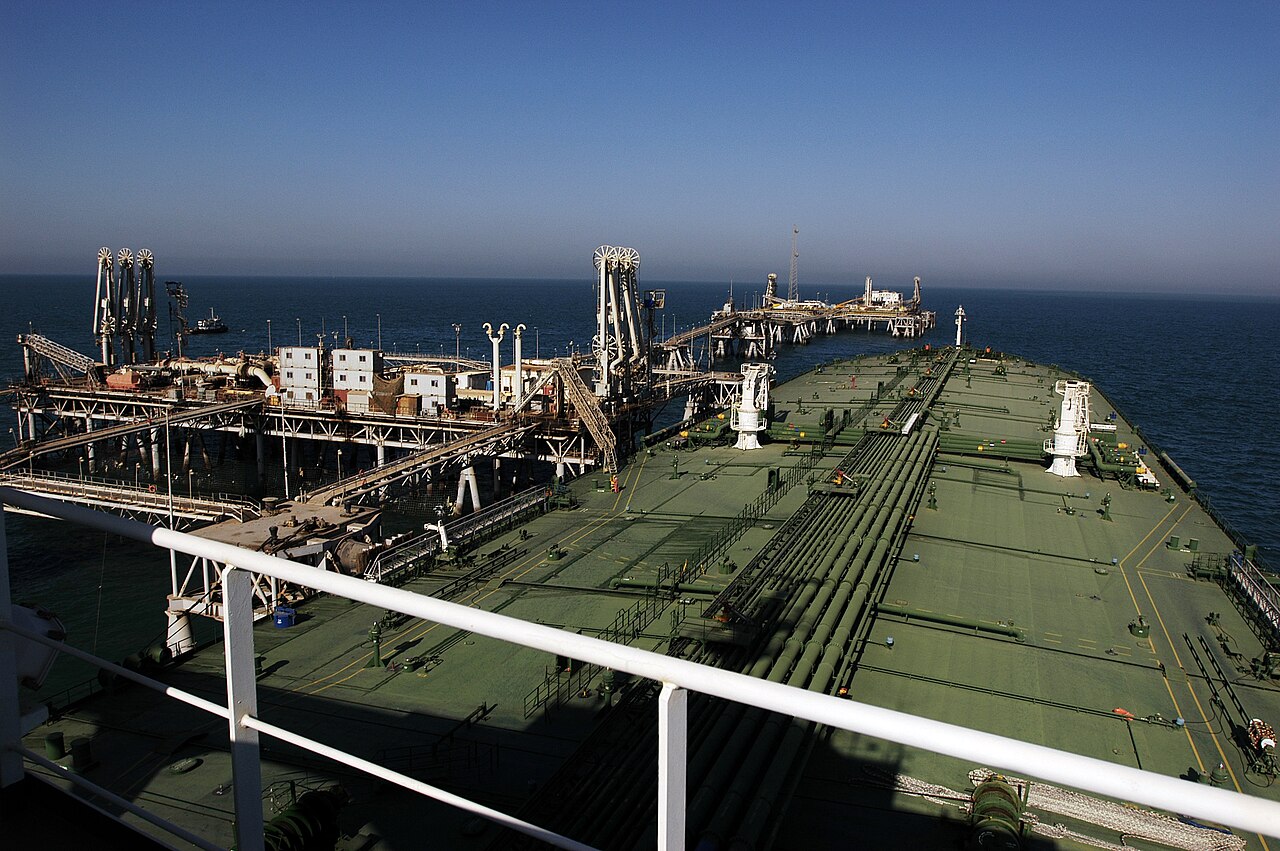
The Strait of Hormuz is a narrow waterway through which a significant portion of global oil trade passes, and regional tensions have repeatedly brought threats of closure. In a statement made on November 1, Foreign Minister Hakan Fidan also noted that the closure of the strait has imposed a heavy burden on the global economy; von der Leyen's figure puts this concern in concrete EU-specific terms. Although Turkey is not directly dependent on energy shipments through the strait, it is affected by fluctuations in regional trade routes and energy prices; rising euro-denominated energy costs could indirectly be reflected in the natural gas and oil prices Turkey also imports. Europe's mounting energy bill could accelerate the continent's pivot to alternative supply sources and measures to counter price volatility; the EU's previous designation of restoring maritime safety in the strait as "of paramount importance" has already been stated.
For information only; not investment advice.