According to hardline Kayhan, citing Tasnim, Iran's Economy and Finance Minister Seyyed Ali Madanizade and Turkey's Trade Minister Ömer Bolat met on the sidelines of the Organization of Islamic Cooperation's 42nd Standing Committee for Economic and Commercial Cooperation (COMCEC) in Istanbul and emphasized the need for shared border gates between the two countries to operate continuously 24 hours.
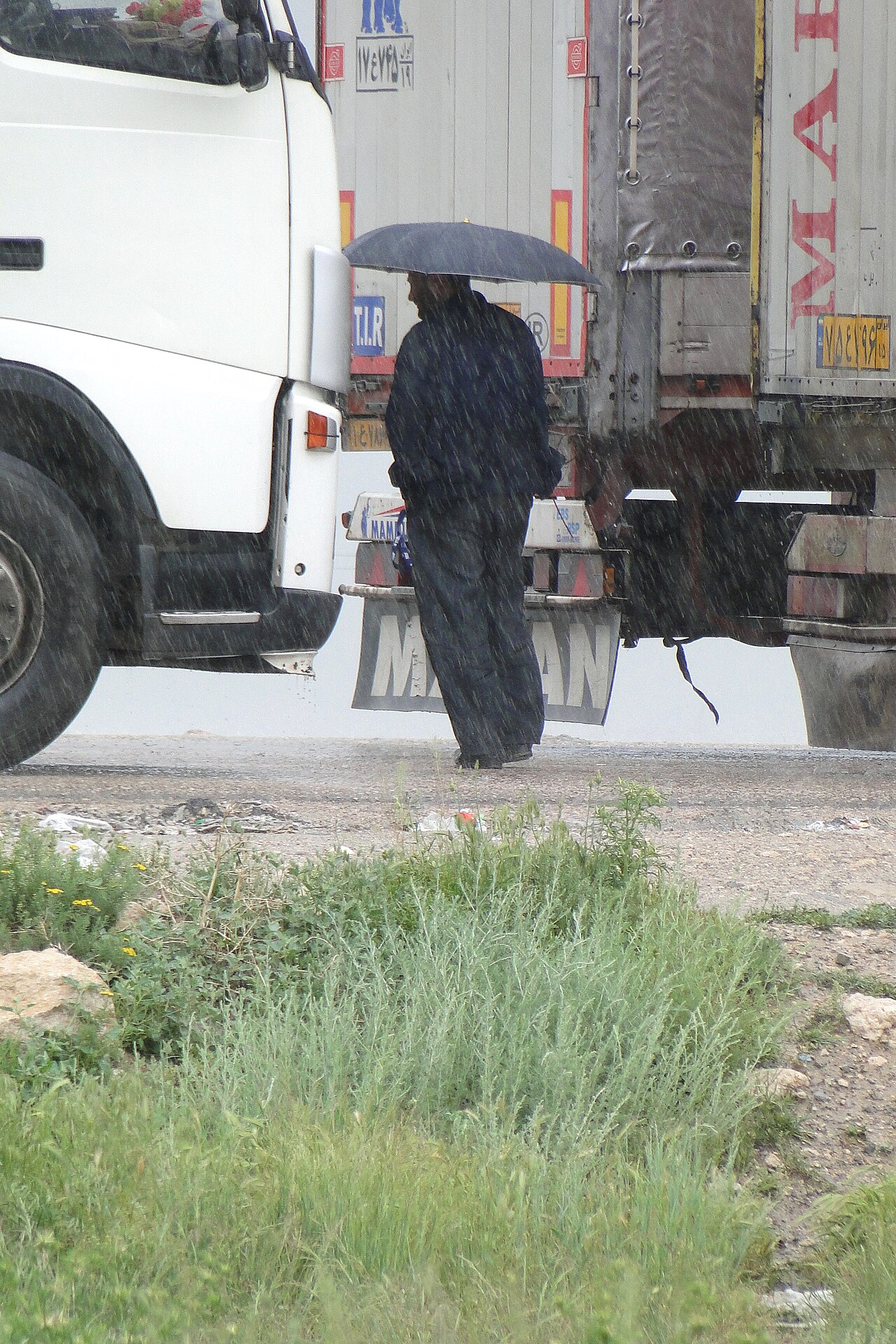
According to Kayhan's report, the meeting addressed issues at the Bazargan border crossing, renewal of Turkish-side customs facilities, preparation of a cargo transit schedule, and regular meetings between border customs directors. The sides also agreed on activating the capacity of other shared border crossings, facilitating passage of sensitive cargo, and establishing a working group for joint free-trade and industrial zones. Facilitating truck crossings and preparing a timetabled program for goods and services transit between the two countries were also among the topics discussed. The two ministers stated that the aim of keeping the gates open night and day 24 hours was to increase trade volume, reduce truck waiting times, and accelerate commercial processes. Coordination between executive and customs institutions, and follow-up on problems faced by Turkish companies operating in Turkey were also on the agenda.
Kayhan's report also cited a statement by Mesud Daneşmend, board member of the Transportation Institutions Association, to ILNA: Daneşmend said that during wartime, because the United Arab Emirates refused to accept Iranian containers, approximately 25,000 containers may have accumulated in Karachi, Sohar, and Hor Fakkan ports, and that transporting a container from Karachi to Tehran costs approximately $12,000; these figures are being reported as Daneşmend's assessment.
Context
The land border between Turkey and Iran consists of three official customs gates—Ağrı-Gurbulak, Van-Kapıköy, and Hakkari-Esendere—and a significant portion of bilateral trade between the two countries passes through these lines. The meeting took place on the sidelines of the 42nd session of COMCEC, held in Istanbul from October 31 to November 3, 2026, under the patronage of President Recep Tayyip Erdoğan. In a report carried on November 1, Foreign Minister Hakan Fidan had drawn attention to the damage caused to the global economy by congestion in the Strait of Hormuz; increasing the capacity of border gates amplifies the importance of alternative land trade routes through Turkey in the face of disruptions in the Hormuz corridor. Previously, in March 2026, the two countries had mutually suspended daily passenger crossings at border gates due to regional military tensions; today's discussion focused on trade and customs, and no changes to passenger crossings were reported. Turkey's Ministry of Trade had previously set a goal of raising bilateral trade between the two countries to $30 billion and announced that additional border gates and modernization of the Van-Kapıköy customs facility were on the agenda; the 24-hour operation decision can be read as one of the infrastructure steps toward that goal; despite security concerns in the region, the two countries are working to keep the commercial link alive.
The presumption of innocence applies.