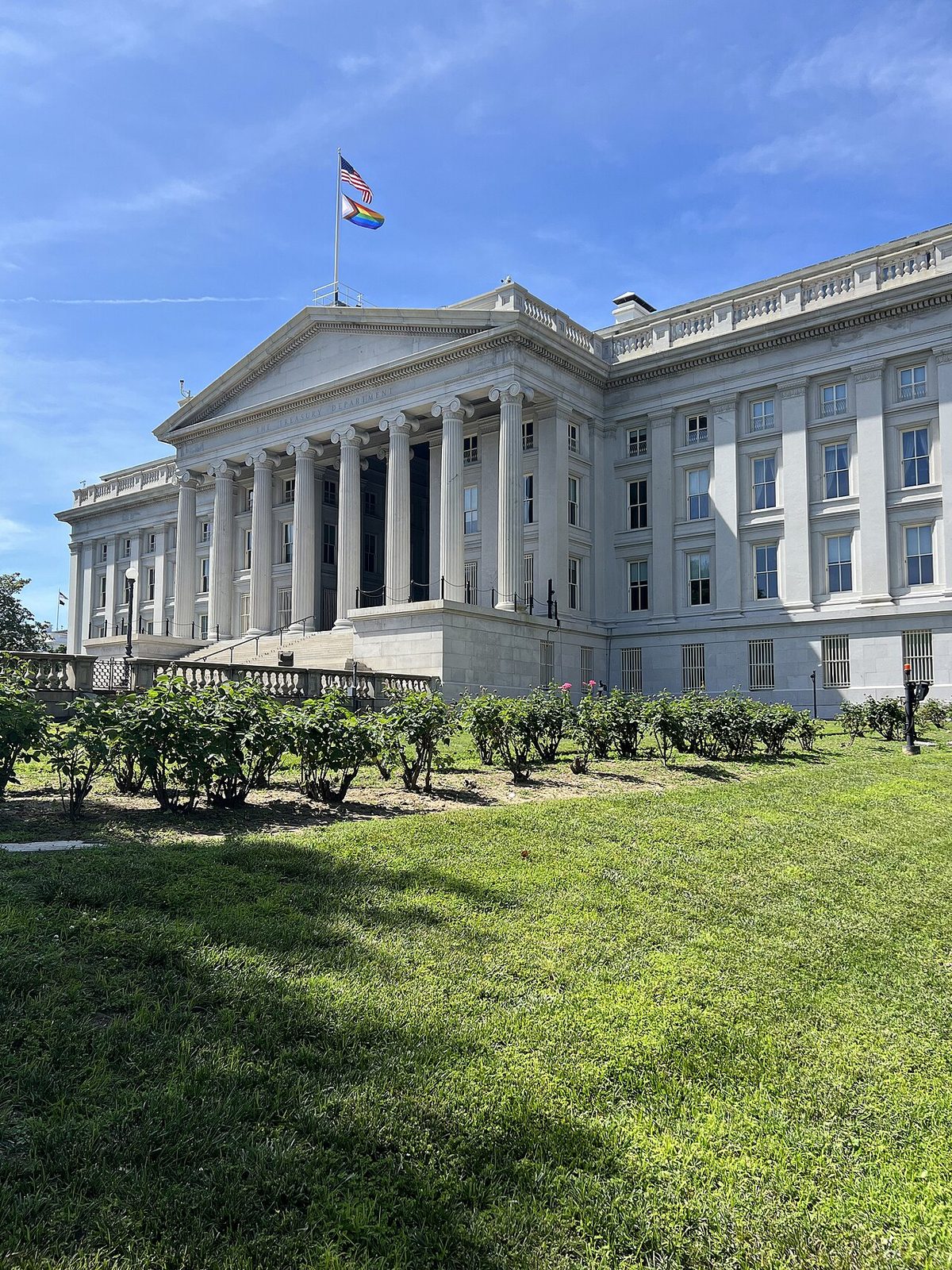
According to Iran International, the U.S. Treasury Department on Wednesday added Istanbul-based Fugo Ground Services to its sanctions list as part of an "Economic Enforcement" operation, citing the company's provision of ground services to blacklisted Iranian airlines. In a separate action announced the same day, an Indian network facilitating false flag registration was also sanctioned.
According to Iran International's report, Fugo (also known as Fugo Aviation), registered in Beşiktaş, directly contracts to provide ground handling and support services to several Iranian airlines on the U.S. sanctions list that continue flying to Turkey. These airlines include Iran Airtour, Saha Airlines, Sepehran Airlines, Varesh Airlines, Taban Airlines, and ATA Airlines. The report says Fugo began servicing some of these carriers in the weeks after they were added to the sanctions list on September 8, 2026. U.S. Treasury Secretary Scott Bessent said in a statement: "As we have said repeatedly, in this economic enforcement operation you are either with us or against us; we know where you stand, and we will sanction those who continue to support the Iranian government by land, sea, or air."
In the same announcement, the U.S. also sanctioned a network of companies managed by an Indian couple identified as S.K.Ş. and J.P.Ş., alleging they provided false flag and documentation services to Iran's sanctioned "shadow fleet" of ships. The allegations against these individuals are based on the U.S. Treasury Department's administrative sanctions determination and are not a court judgment. The presumption of innocence applies. According to the Treasury, the couple has operated since at least 2014, creating websites that purport to be flag registration authorities for countries including Dominica in the Caribbean, and providing false flag registration services allegedly on behalf of nations including Aruba, Guyana, Mali, Mozambique, Malawi, and East Timor.
Context
The U.S. Treasury Department's "Economic Enforcement" operation began August 24 and initially targeted 78 individuals, companies, and vessels; today's action is framed as part of the U.S. effort to cut Iran's oil revenues. The sanctions are based on Executive Order 13902, which targets Iran's oil, petrochemical, and aviation sectors. According to the Treasury, the Iranian government uses ostensibly "commercial" airlines—most of which are government or military-controlled—to transport combatants, transfer sensitive weapons and technology, and send cash and gold to proxy groups. According to a report from November 4, Iran and Turkey had agreed to keep their joint border crossings open 24 hours; today's sanctions show Washington's sanctions regime increasingly intersecting with commercial and logistics ties between the two countries. The same day, a Turkish soldier was reported killed at the Hakkari border by gunfire assessed to have come from the Iranian side, showing the Turkey-Iran relationship experiencing both commercial rapprochement and border security tension on the same day. The Treasury has previously warned that any foreign company or individual facilitating the operations of sanctioned Iranian airlines—whether through aircraft brokering, cargo services, or general sales representation—will face serious consequences.