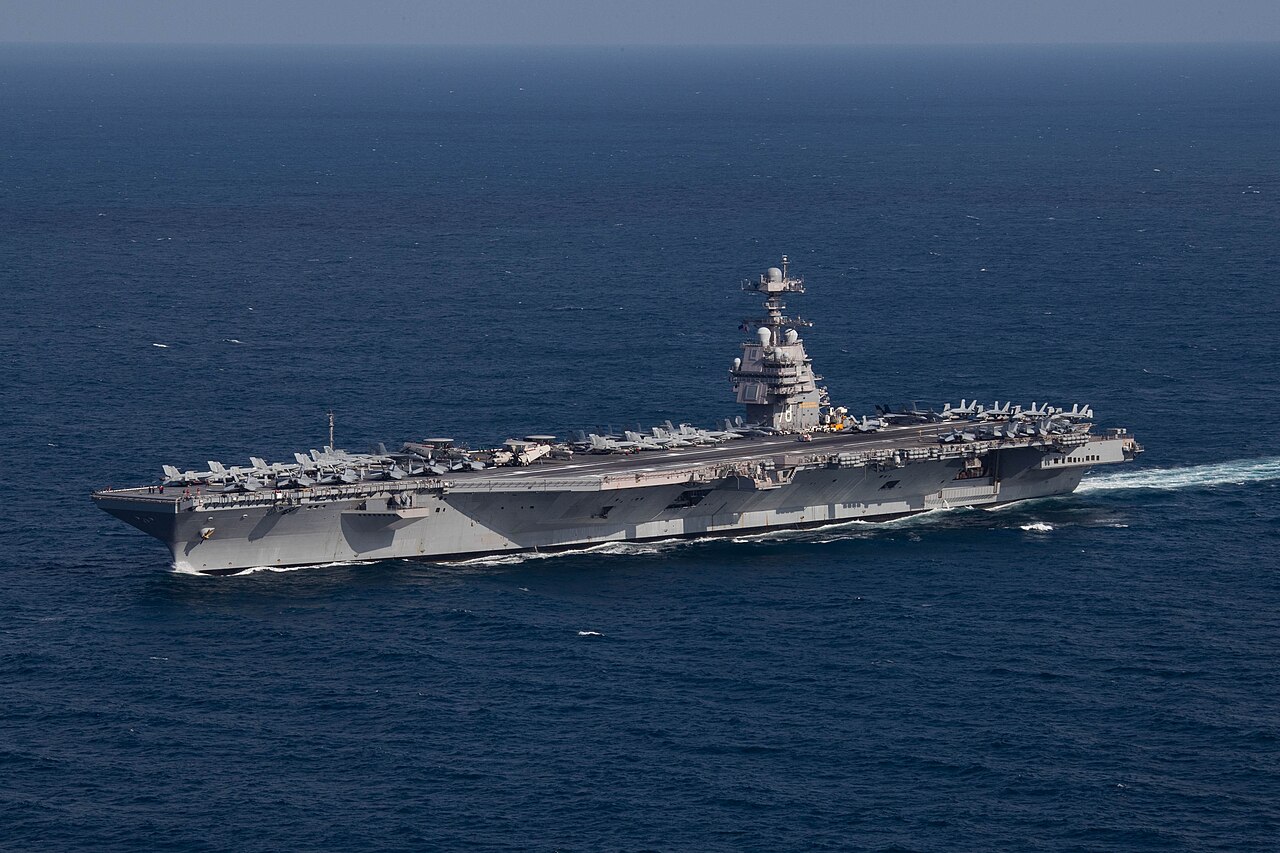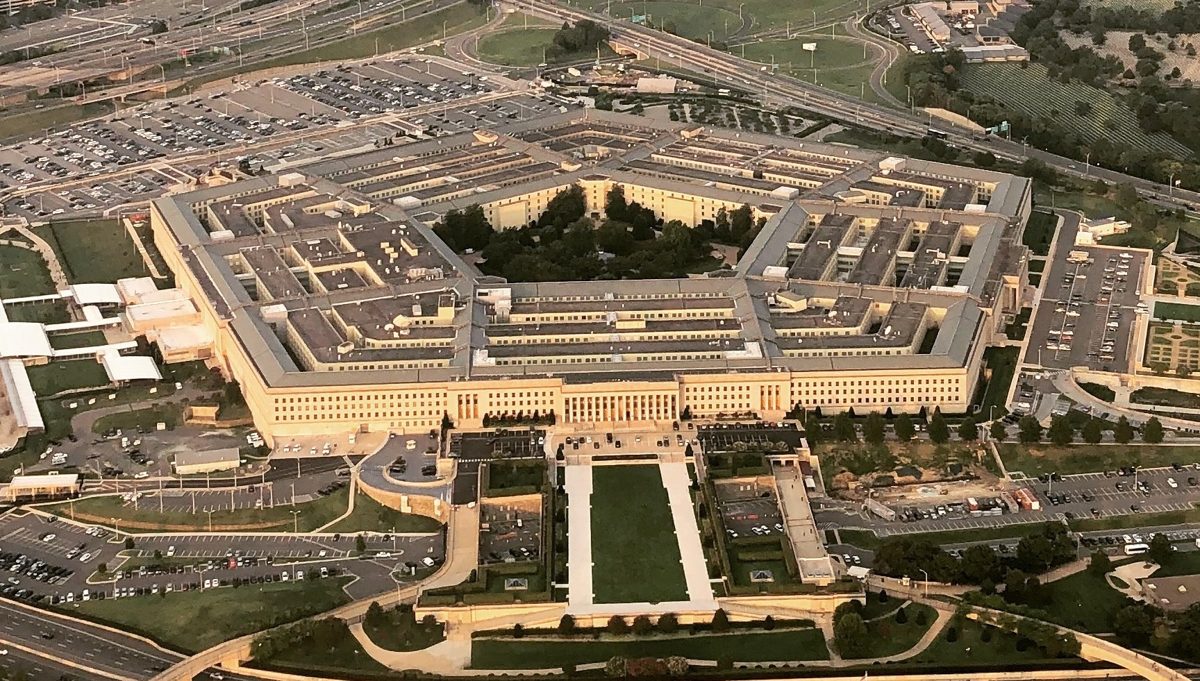
The Hill, a US politics news site, reported that according to the Central Command (CENTCOM) latest estimate, Washington's military expenditures against Iran have risen by more than $3 billion since early September, reaching approximately $47 billion. According to IRNA, the report presented this figure as the current cost of the US military campaign.
Earlier estimates provided by CENTCOM to Congress showed that as of September 3, costs had reached $43.6 billion; of this, $28.1 billion went to ammunition replenishment, $11.2 billion to operations, and $4.3 billion to replacement of lost equipment. Pentagon officials later reported that the total had climbed to $45.1 billion with additional fuel costs. The US Congressional Budget Office (CBO), meanwhile, calculated that as of August 1, costs had reached $38 billion and were continuing to rise at approximately $3 billion per month depending on the intensity of the conflict. The White House had requested an additional $87 billion in supplemental budget from Congress to cover stockpile replenishment and troop deployment costs.
IRNA framed the rising costs as the "balance sheet of American aggression" and suggested that the White House's uncertainty about when the war will end is one reason for the cost increase. In this report, whether CENTCOM's current estimate fully accounts for base and facility repair costs cannot be independently verified; previous estimates are known to have excluded these items, so whether the actual total exceeds official figures remains unconfirmed.
Context
The US-Iran military conflict that began in February 2026 has imposed a heavy burden on the Pentagon budget as months pass; the bulk of spending goes to ammunition stockpile replenishment. CENTCOM's official figures do not fully account for base and facility repair costs or certain fuel expenses; for this reason, media in the US frequently notes that the actual total may exceed official estimates — one earlier example being the contradiction between CENTCOM's claim that the blockade is "impenetrable" and Reuters' report that Iran was selling LPG and jet fuel. The increase in costs coincides with a period when discussion of a possible re-escalation of war following the Israeli election and its aftermath continues. Some members of Congress argue that rising costs require greater oversight of the war's scope and duration.
Independent think tanks such as the American Enterprise Institute (AEI) also estimated the war's cost at $38.6 billion in their own calculations in June; the fact that this figure has since exceeded official CENTCOM estimates suggests that spending has risen faster than expected. The Pentagon's initial briefing to Congress in May stated the cost had approached $29 billion; the jump to $47 billion represents approximately an $18 billion increase over six months. When and on what terms Congress will approve the $87 billion in additional budget requested by the White House will be an important threshold determining how much the war's financial burden will grow.
These discussions in the American media have become a domestic political cost-benefit calculation independent of the war's military trajectory; some lawmakers argue that the transparency of spending is insufficient and that Congress has limited access to current cost estimates when approving the war's scope. As CENTCOM continues to periodically update its figures, this debate is expected to intensify alongside the election calendar.