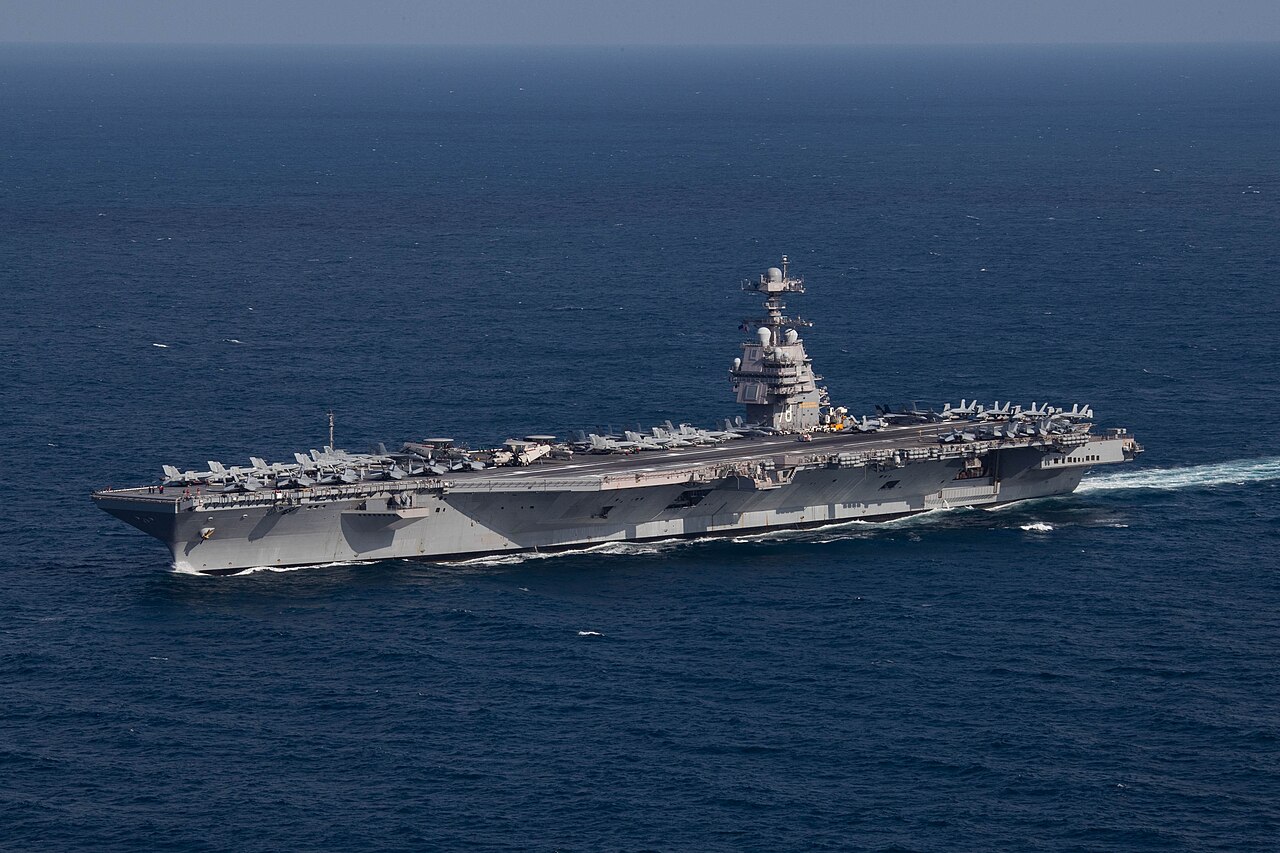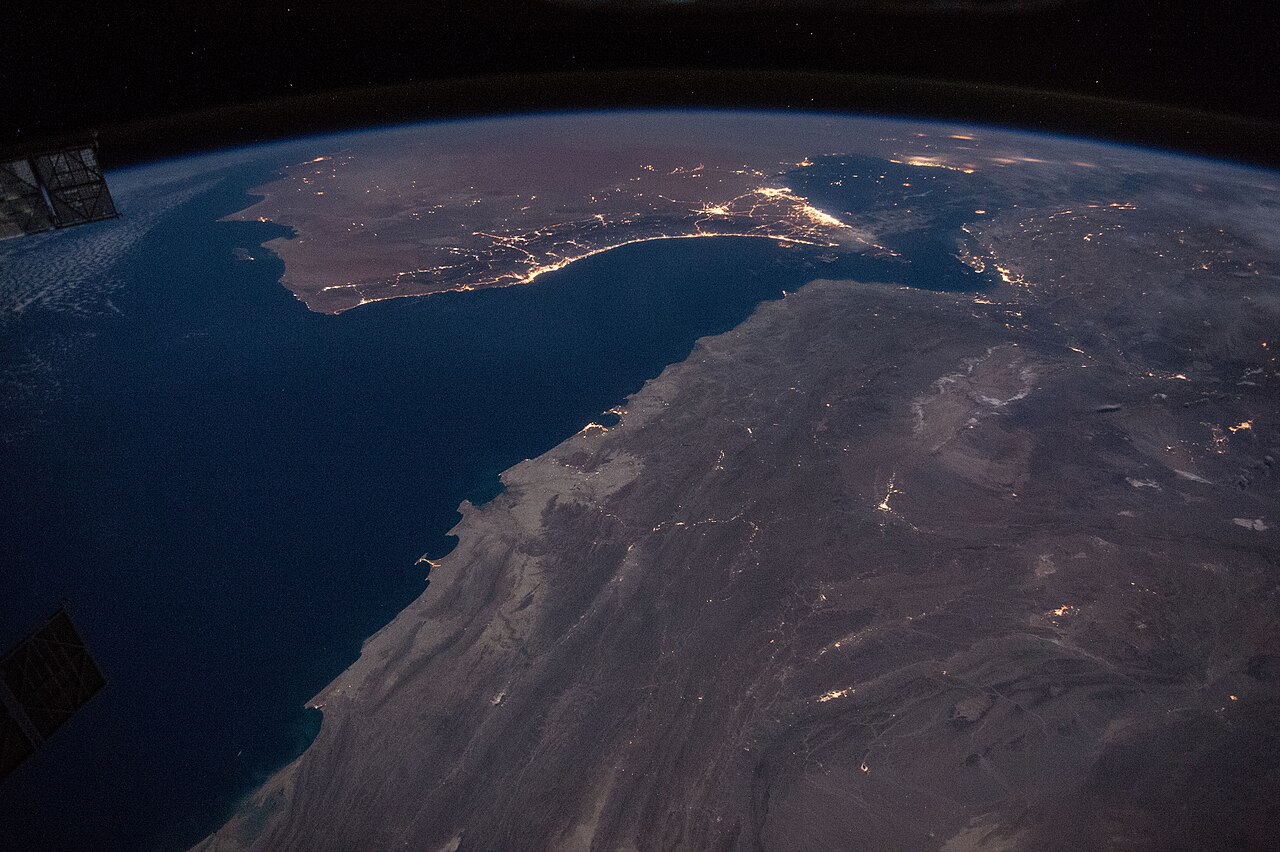
The U.S. Central Intelligence Agency concluded in a classified assessment that Iran could retaliate to possible new American strikes in three ways. According to Hamshahri citing the Washington Post, these scenarios are: increasing restrictions on ships passing through the Strait of Hormuz, staging attacks against American targets across the globe, and conducting cyberattacks against U.S. territory. The report's contents were conveyed to the newspaper by an unnamed U.S. official who requested anonymity.
At the same time, Iran International's Associated Press–sourced reporting highlighted claims that Russian intelligence satellites assisted Houthi forces in attacks on Saudi Arabian targets. According to Nevaf Ubeyd, founder of Geneva-based Aurora intelligence firm, between July 1 and October 19, all 40 missile and drone strikes examined showed Russian military and state satellite activity near targets; examples included strikes on Saudi Arabia's east-west oil pipeline pumping stations and King Fahd Air Base near Taif. A source close to Saudi investigations told AP that Russian satellite data also played a role in March attacks on Prince Sultan Air Base and a CIA-affiliated unit inside the U.S. Embassy compound in Riyadh, where an American reconnaissance aircraft suffered heavy damage. AP notes that satellite activity's timing with strikes does not alone prove information transfer, but when combined with direct witness statements, it creates a striking pattern; these claims have not been independently confirmed.
How the Persian press covered it
| Source (orientation) | Headline / framing |
|---|---|
| Hamshahri (Tehran municipality, principlist) | Summarized Washington Post's CIA assessment, focusing on Iran's "response options." |
| Iran International (Opposition, diaspora) | Covered AP's Russia-Iran intelligence cooperation claims, presenting the thesis that Tehran operates as Moscow and Beijing's "operational arm." |
Context
The assessments coincide with a period when Iran and the U.S. have maintained tension without direct combat since September, yet post-election military action remains under discussion. Russia and Iran signed a comprehensive strategic partnership agreement in 2025 that includes security and defense cooperation; Moscow Times has noted that Trump and U.S. Defense Secretary Pete Hegseth have consistently downplayed the importance of Russian support for Iran. Reports that Russia increased personnel sent to Bushehr nuclear facility represented another dimension of visible bilateral cooperation. The CIA's three scenarios are not entirely new; Strait transit restrictions and cyber attack possibilities have been raised by U.S. officials in preceding months, but their side-by-side presentation in an official intelligence assessment is a fresh detail.
For information only; not investment advice.