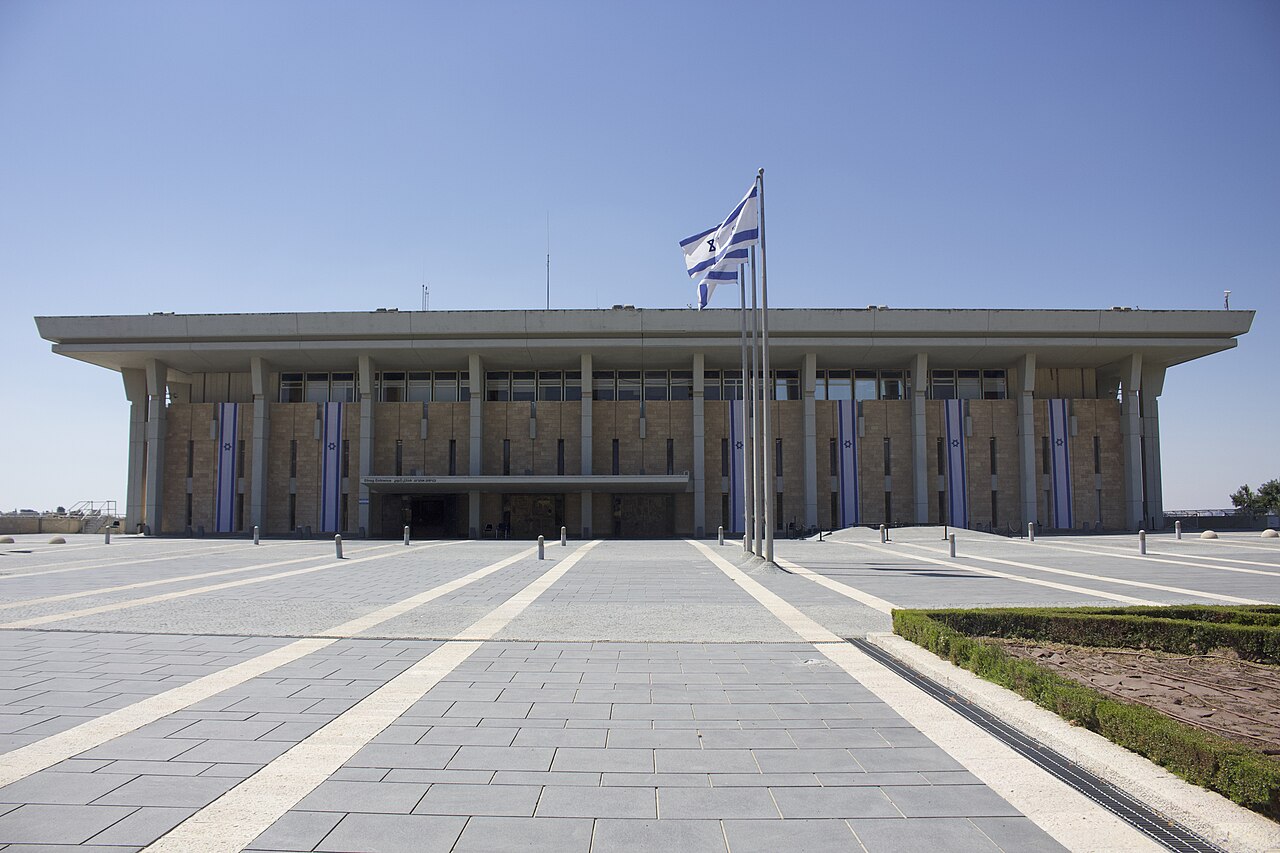
Before final Knesset election results were clear, Defense Minister Yisrael Katz and retired General Gadi Ayzenkot engaged in sharp public dispute over who decides on possible military action against Iran. According to Iran International, Katz said on Wednesday that Ayzenkot's remarks were "undemocratic and detached from reality," adding: "The Israeli military has shown great success against Iran, now participates in all discussions and assessments, and will implement every necessary decision."
According to initial vote counts, Ayzenkot—whose coalition controls 48 seats compared to Netanyahu's 53—called on the heads of security and civil service institutions to focus solely on state and citizen interests, resist pressure, and assured them of his support; he also warned Netanyahu against weaponizing Israel's security for political purposes. Katz interpreted these comments as "inciting military commanders to insubordination" against the Prime Minister, Defense Minister, and authorized security bodies. He accused Ayzenkot and his allies of running a "false campaign" in the election over military-civilian distinctions regarding Iran. Times of Israel, however, reported that the "insubordination" charge was Katz's own interpretation, and that in Ayzenkot's published remarks, he spoke of resisting political pressure and preventing security from being weaponized for political aims. The dispute escalated after reports that Chief of Staff Eyal Zamir opposed military action against Iran before the election; Katz denied these reports, saying Israel had no plans to strike Iran before the vote. Netanyahu's office rejected the accusation of using Iran tensions for political gain. According to Donya-e Eqtesad's Shafaqna-sourced coverage, the United Arab Emirates Foreign Ministry reiterated its standing position favoring diplomatic and peaceful solutions to regional disputes; this statement showed that regional states are monitoring the Israeli internal clash closely.
How the Persian press covered it
| Source (orientation) | Headline / framing |
|---|---|
| Iran International (Opposition, diaspora) | Covered the clash in detail through Reuters and Times of Israel, contextualizing it within government formation crisis and Arab parties' role. |
| Donya-e Eqtesad (Economic daily, technocratic) | Presented Ayzenkot's warning and UAE Foreign Ministry's "diplomatic solution" call side by side through Shafaqna. |
Context
According to initial results, no bloc in the 120-seat Knesset reached a 61-seat majority: Netanyahu's coalition holds 53, Ayzenkot-led opposition holds 48, and Arab parties hold 19. This extends the uncertainty covered in yesterday's report; even if coalition formation stretches out and Netanyahu remains in office with the surprise status of Defense Minister, legal experts say this does not create a legal barrier to military action against Iran, as security matters are exempt from withdrawal requirements. The clash reflects a similar disagreement between Netanyahu and Zamir two days before the election, showing that military-civilian and political divisions over Iran policy persist after the vote.
For information only; not investment advice.