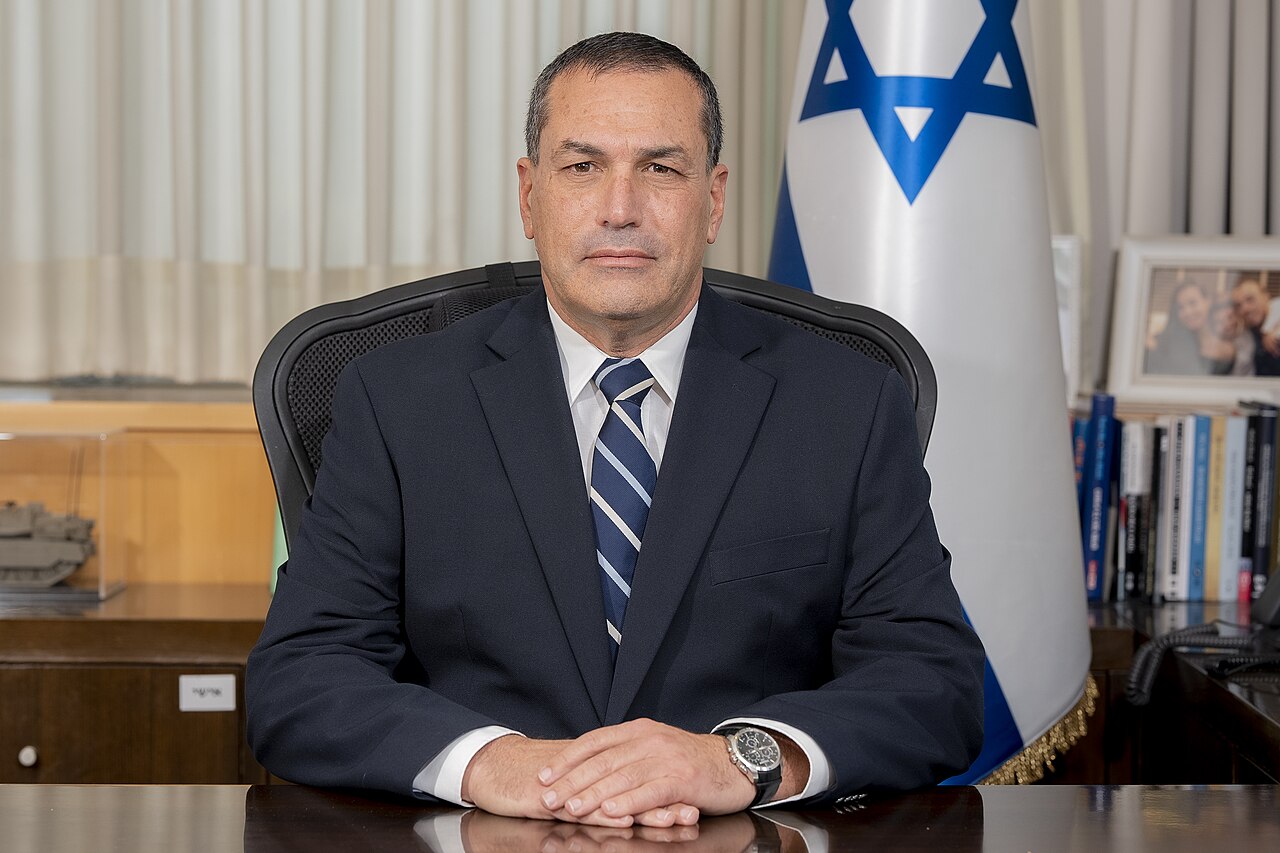
According to IRNA's report citing Israeli Channel 12, an "unprecedented level" of disagreement has surfaced between Prime Minister Benjamin Netanyahu and military Chief of Staff Eyal Zamir over the timing and necessity of a possible strike on Iran before Knesset elections. The elections are scheduled for Tuesday, October 27, and the Iran file has become a major point of contention between Netanyahu and opposition figures in the campaign's final days.
According to Khabaronline's report from the Palestinian Information Center, Israeli Channel 13 reported that Netanyahu wants to launch an attack on Iran before the elections, but the Chief of Staff has objected to the plan. It was reported that Zamir said in a closed meeting earlier that he did not see operational necessity for an Iran strike before the elections, but that the military would be ready if security requirements arose. Donya-e Eqtesad also described the disagreement as "an unprecedented crack in the Iran file."
The disagreement is independently verified in English-language reporting. According to Times of Israel, Israeli Channel 10 claimed Netanyahu is "determined" to attack Iran before the elections; the same report cited security officials' concerns that the election process could be disrupted by a new war, and noted that Zamir halted military leave for election day. Netanyahu himself stated on October 14 in an interview with Army Radio that a surprise pre-election attack would "not be appropriate," but continued to threaten possible action against Iran.
How the Persian press covered it
| Source (orientation) | Headline / framing |
|---|---|
| IRNA (state news agency) | Presented the disagreement as "unprecedented tension within the Israeli regime," focusing on Israel's internal polarization. |
| Khabaronline (moderate conservative) | Reported from Channel 13 source, emphasizing Netanyahu's desire for an attack and Zamir's resistance. |
| Donya-e Eqtesad (technocratic) | Framed the disagreement as "a crack in the Iran file," using a technical/institutional perspective. |
Context
The war between Israel and Iran has been ongoing since February; the two sides have not exchanged direct fire since June, but tensions remain elevated. Defense Minister Israel Katz warned Iran against disrupting the election process with proxy attacks, and Netanyahu said Iran might "fabricate security events" to influence voter perception. None of these claims have been independently verified and should be considered "unconfirmed." Zamir's halting of military leave for election day is read as a precautionary step against possible escalation. The timing of the debate is significant: the US has signaled that it prefers to hold off major military action against Iran until after its own midterm elections, suggesting the support Netanyahu expects from Washington may be tied to election schedules.
Netanyahu's stance has hardened in recent days according to reports: on October 21 he called for "elimination" of the regime and reportedly demanded Trump renew military strikes, according to Channel 12. This contradicts his October 14 "not appropriate" statement, and the conflicting dates across sources mean it should be evaluated as "unconfirmed." The tension between Zamir and Netanyahu also carries another dimension: an unpublished letter from the Air Force Commander describing a canceled Iran operation sparked sharp discussions in the Security Cabinet, with Netanyahu calling it "a national error and a blow to our unity." The election results appear likely to directly affect the balance of military-political authority over the Iran file.