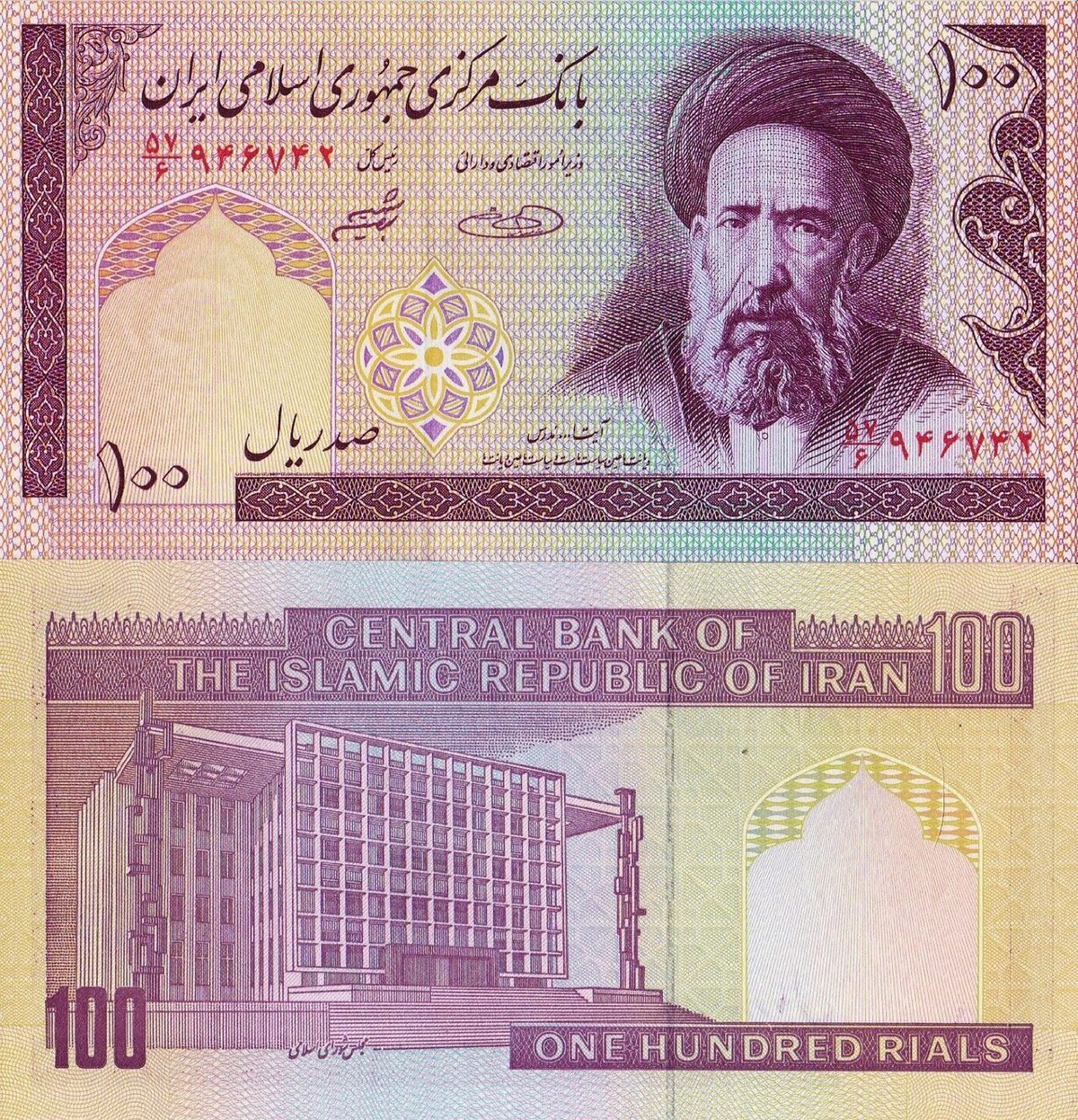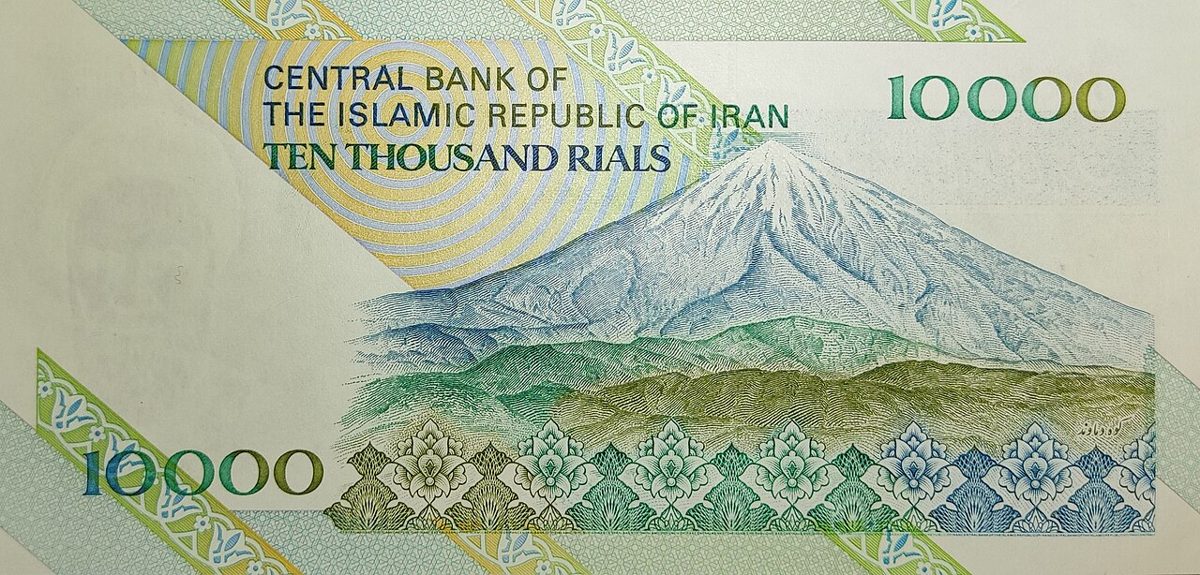
According to a report released by the U.S. Treasury Department on October 30 and obtained by Axios, Iran's annual inflation reached approximately 90% in September—more than double the 35% rate at the start of 2025. According to IranIntl, the Treasury stated that since the launch of "Operation Economic Outcast" in August, the rial has lost roughly 25% of its value on the open market, and no petroleum has been loaded onto any tanker from Iran during this period. Reports from The Hill and Yahoo News, citing Axios, confirmed that the report shows the free-market rate reached 2.687 million rials per dollar in October, up from 2.02 million when the campaign began.
Treasury Secretary Scott Bessent told CNBC that the campaign was "very successful" and forecast that the Iranian economy would contract by more than 25% between March 2026 and March 2027. According to The Hill, the report does not claim the Iranian government is on the verge of collapse; it only asserts that economic pressure is having an effect.
This figure largely aligns with data from Iran's own Statistics Center: the center reported annual inflation of 88.7% for Mehr (September 22–October 22). The agreement between the two sources on rapidly rising inflation suggests the U.S. Treasury's figure closely matches Iran's own official data; however, the precise percentage of rial depreciation and the claim of a complete halt to oil exports have not been separately confirmed by Iranian authorities.
According to the Treasury report, "Operation Economic Outcast" includes new sanctions targeting approximately 60 individuals, institutions, and vessels connected to Iran; these instruments include "ghost fleet" tankers used in petroleum shipping and their insurance and financing networks. According to The Hill, the report states the campaign's direct aim is to narrow Iran's "shadow economy"—the intermediary firms and barter networks established to evade sanctions. Bessent has previously claimed to the Senate that Iran's inflation exceeded 200%; the IMF forecasted average consumer-price inflation of 68.9% for 2026. These three figures—the Treasury's 90%, Iran's Statistics Center's 88.7%, and the IMF's 68.9%—show that inflation varies depending on measurement methodology and the period covered, but the direction is consistent: prices are rising rapidly and continuously.
Context
Iran's inflation problem is not new: in a report released October 29, Iran's Statistics Center announced annual inflation of 88.7% for Mehr, which also addressed urban-rural disparities. What distinguishes today's report is that the same elevated inflation picture is now corroborated outside Iran's own institutions, by the U.S. Treasury Department, which enforces sanctions—creating a rare data point where both sides agree. The rial's depreciation and the drop in oil exports also connect to the economic fallout of tensions in the Strait of Hormuz: as regional security risks rise, insurance and shipping costs increase, further squeezing export revenues.
For information only; not investment advice.