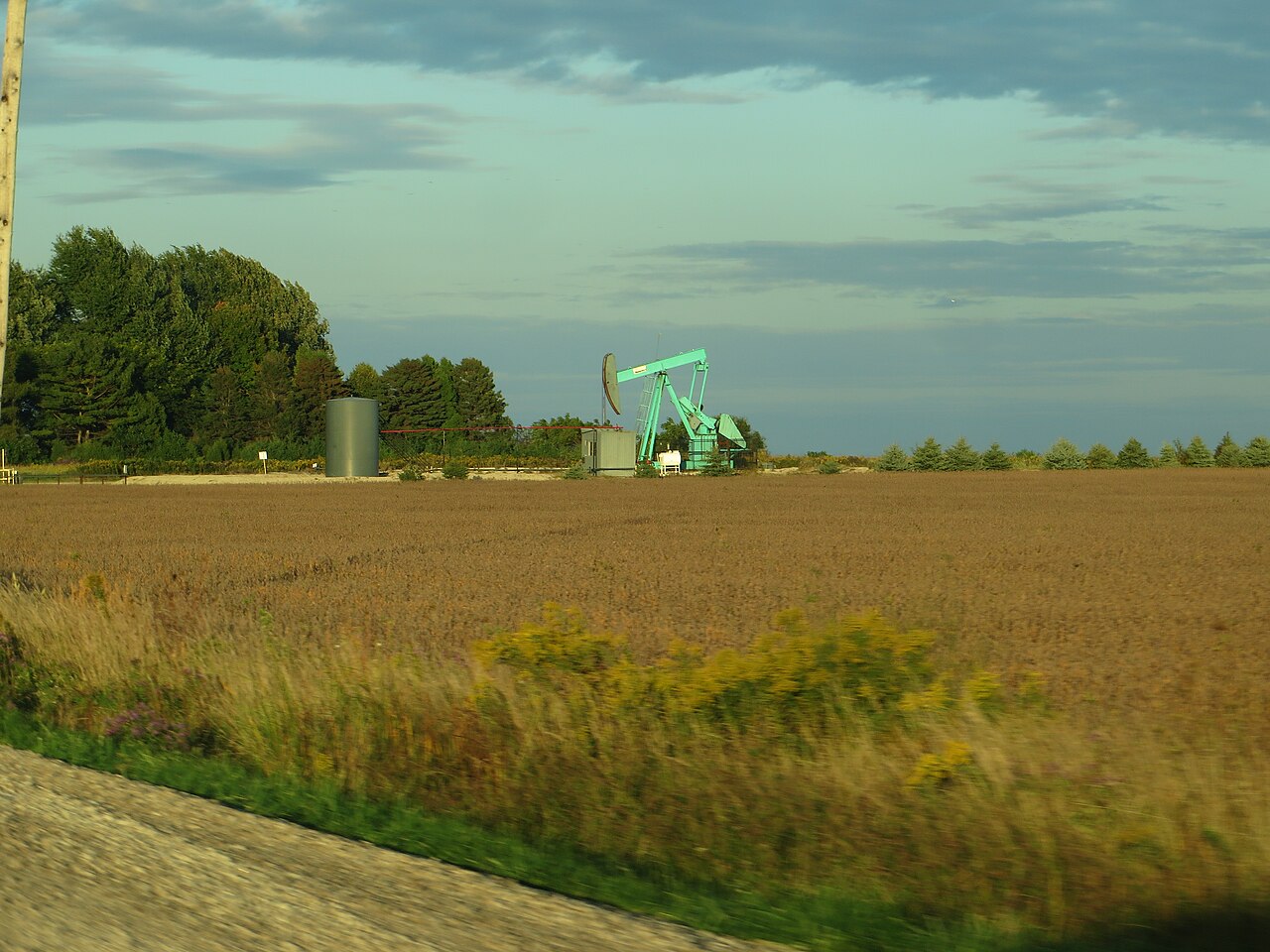
Global crude oil prices reached $117.30 per barrel in Friday trading. According to IRNA, the price rise occurred as Donald Trump continued making threatening statements toward Iran, driving prices to record levels.
According to Donya-e Eqtesad, Trump said on Thursday: "Very soon we will resolve the Iran matter one way or another, which way is pretty much the same to me; this will happen in the very near term and gas and oil prices will also decline rapidly." Yet the oil market moved in the opposite direction, surpassing the $117 record. Kayhan's report framed this as a contradiction of Trump's own promise; the newspaper cited an analysis in Foreign Affairs arguing that ending the war requires "Washington to make painful concessions." French Foreign Minister Jean-Noël Barrot said a new US-Iran escalation would directly raise global oil prices; this assessment was echoed both by Kayhan and at the same-day Istanbul foreign ministers' meeting.
According to Donya-e Eqtesad, contradictions in Trump's messaging had appeared before: on Thursday he said "We are not negotiating with Iranians, we will take action after the election," then the next day used the language "We have a negotiation plan, we will not attack before the Congressional elections." Ukrainian President Volodymyr Zelensky called Trump's attribution of oil price rises to the Russia-Ukraine war "false and unacceptable" and said the real cause is the blockade in the Strait of Hormuz; this assessment appeared in Donya-e Eqtesad's report and was not independently verified by Iranian sources.
How the Persian press covered it
| Source (orientation) | Headline / framing |
|---|---|
| IRNA (state news agency) | Reported the price rise as straightforward market news, linking it to Trump's rhetoric. |
| Kayhan (hardline) | Presented the price rise as proof Trump's "oil will crash" promise has failed, highlighting foreign commentators who argue the US must make concessions. |
| Donya-e Eqtesad (economic daily, technocratic) | Covered the price movement alongside Trump's conflicting statements, Zelensky's response, and election pressure in US domestic politics. |
According to Donya-e Eqtesad's report, Reuters noted the US has taken expensive steps to curb fuel prices: the Trump administration offered farmers billions in support, loosened sanctions on Russian fuel, and pressured European allies to release emergency strategic reserves; despite this, fuel prices rose again last week. A joint poll by the Associated Press and NORC Research Center showed approximately 70 percent of registered voters want Congress to prioritize lowering living costs and ending an Iran war; betting markets showed Democrats' chances of winning the Senate had risen from 28 percent a year ago to 68 percent today. These figures appeared in Donya-e Eqtesad's reporting and show how election pressure in US domestic politics affects energy policy.
Context
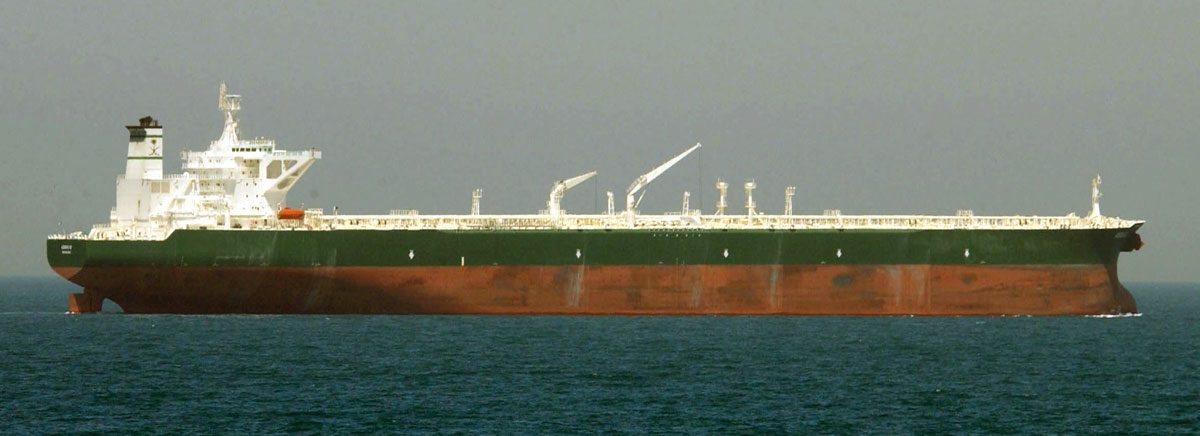
The Strait of Hormuz is a narrow waterway through which much of the world's seaborne crude oil passes, and tensions in the region directly affect tanker traffic; each security incident there, with claims of attacks and mines, moves prices (related story). As the Iran-US conflict persists since May with uncertain prospects for a lasting ceasefire, US midterm elections also shape both the Trump administration's timing choices and how energy prices feed into domestic politics. Oil price volatility unfolds in parallel with diplomatic initiatives; the same day foreign ministers gathered in Istanbul and centered their demands on reopening the Strait of Hormuz (related story).
For information only; not investment advice.
This news is a translation from Persian with AI assistance. Responsibility for the content rests with the reporting outlet.