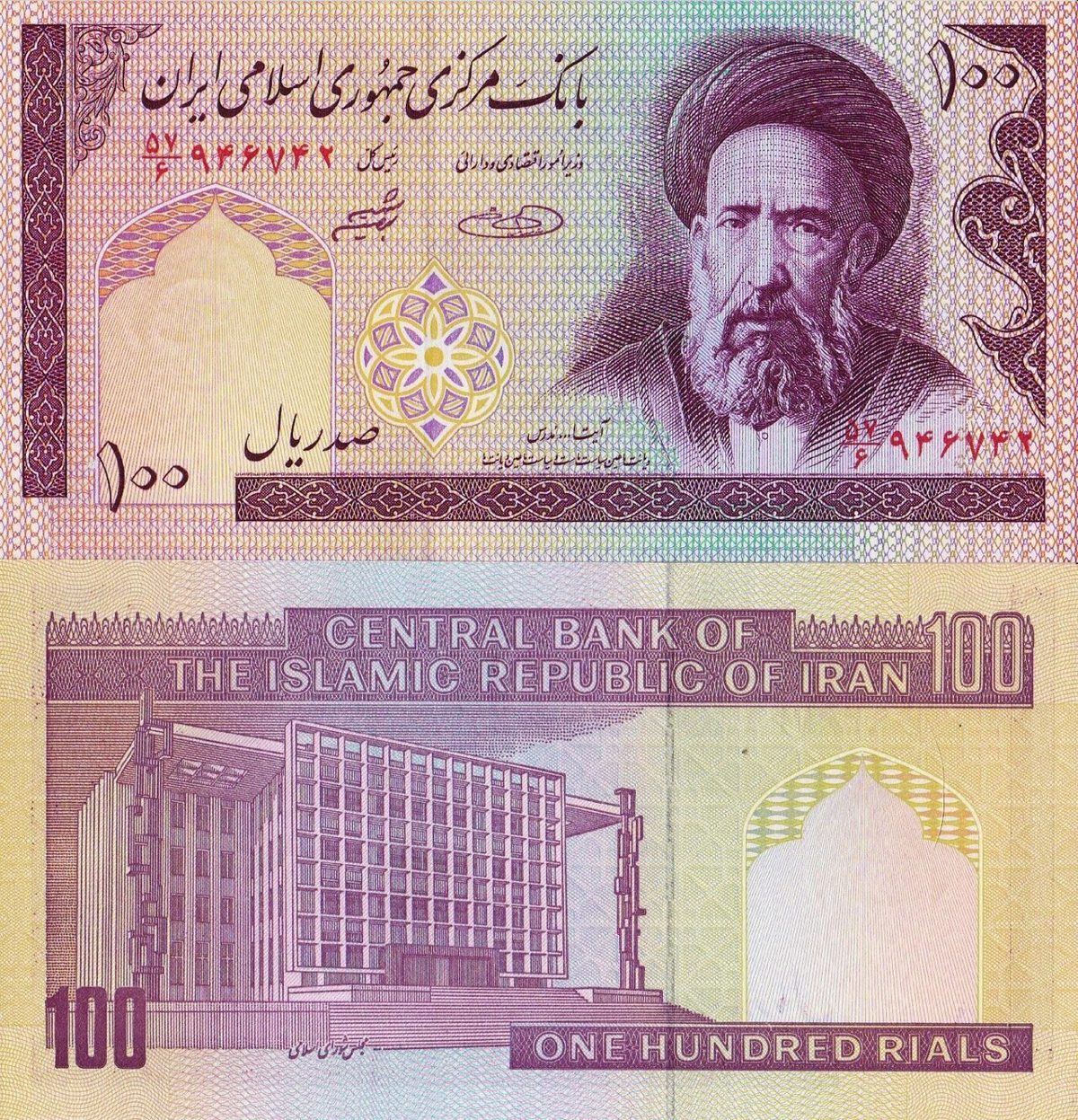
What is it?
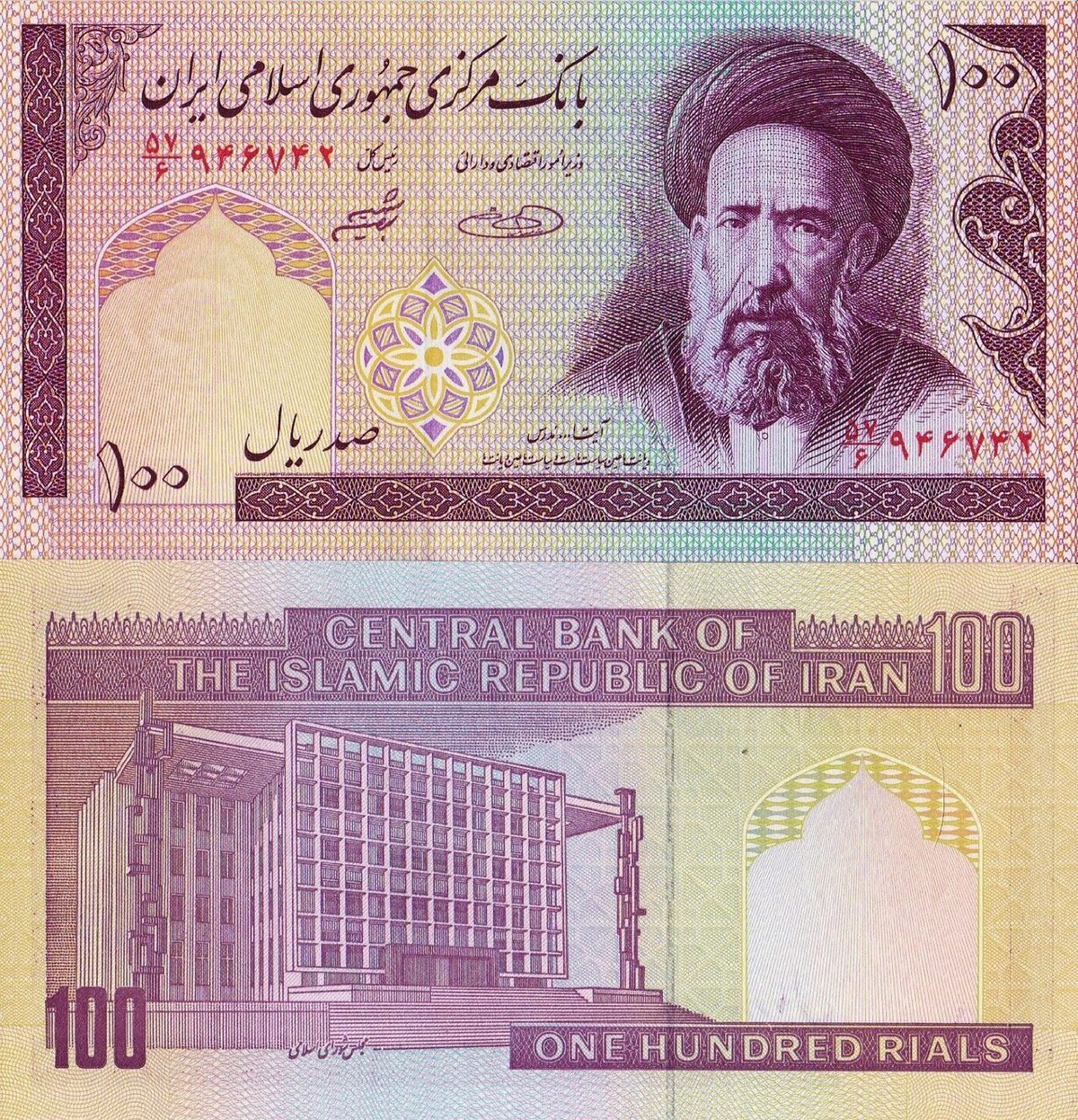
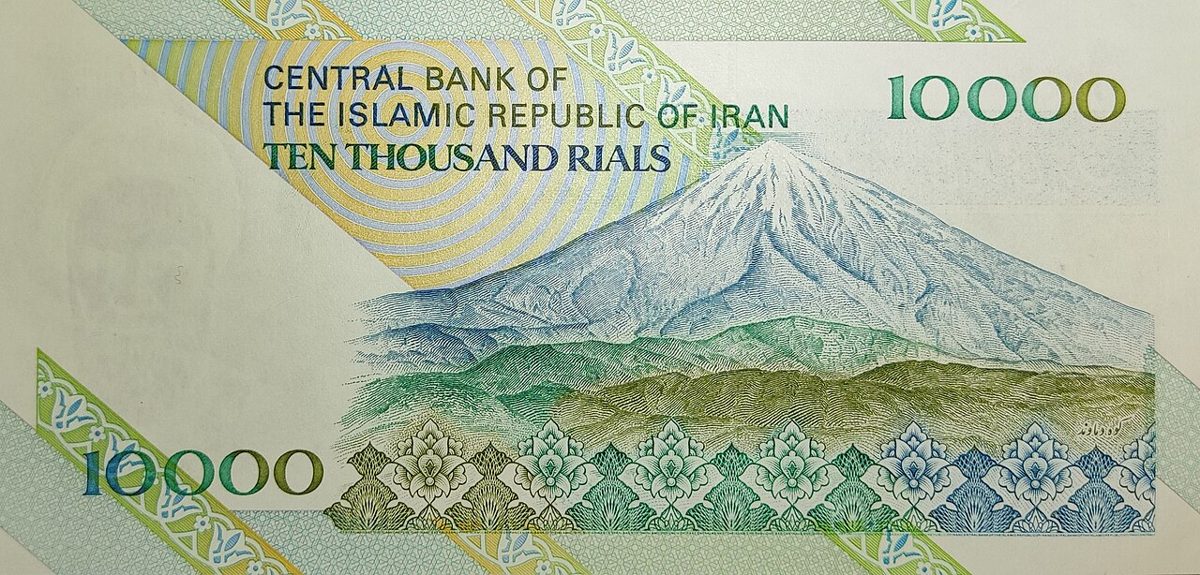
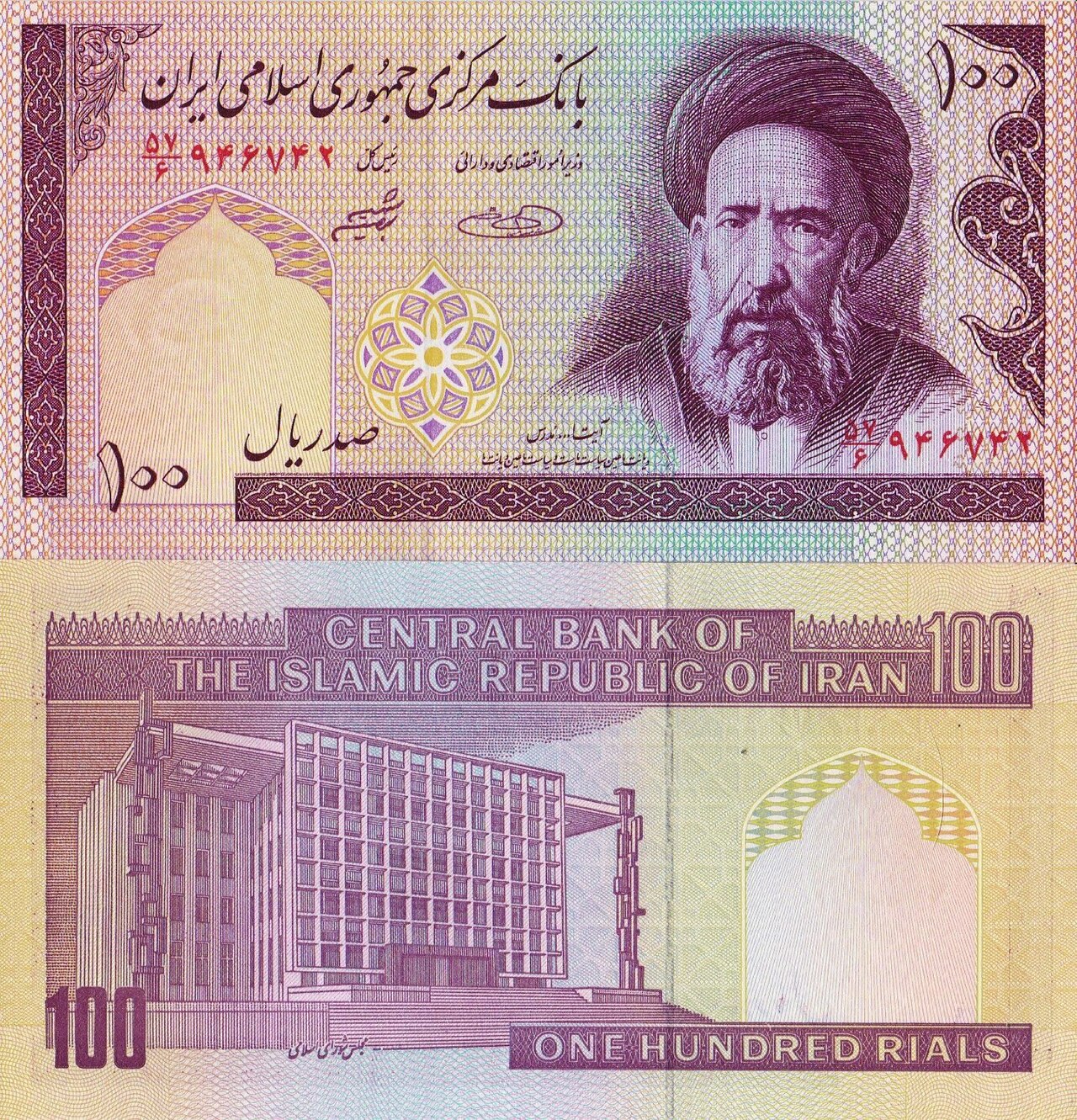
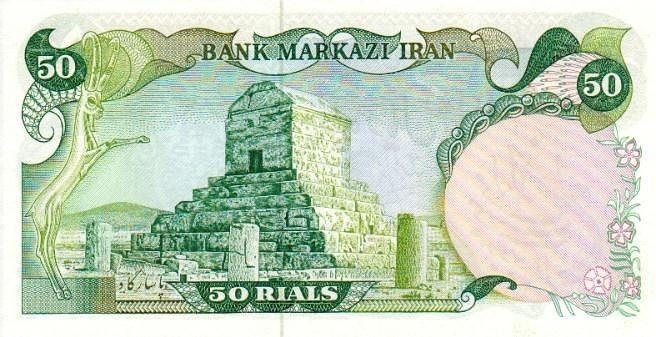
The rial (Persian pronunciation riyâl) is the official currency of the Islamic Republic of Iran. Banknotes, bank accounts and official statistics are denominated in rials. The toman (Persian pronunciation tumân) isn't an official currency but a unit of account used in everyday life. One toman equals 10 rials.
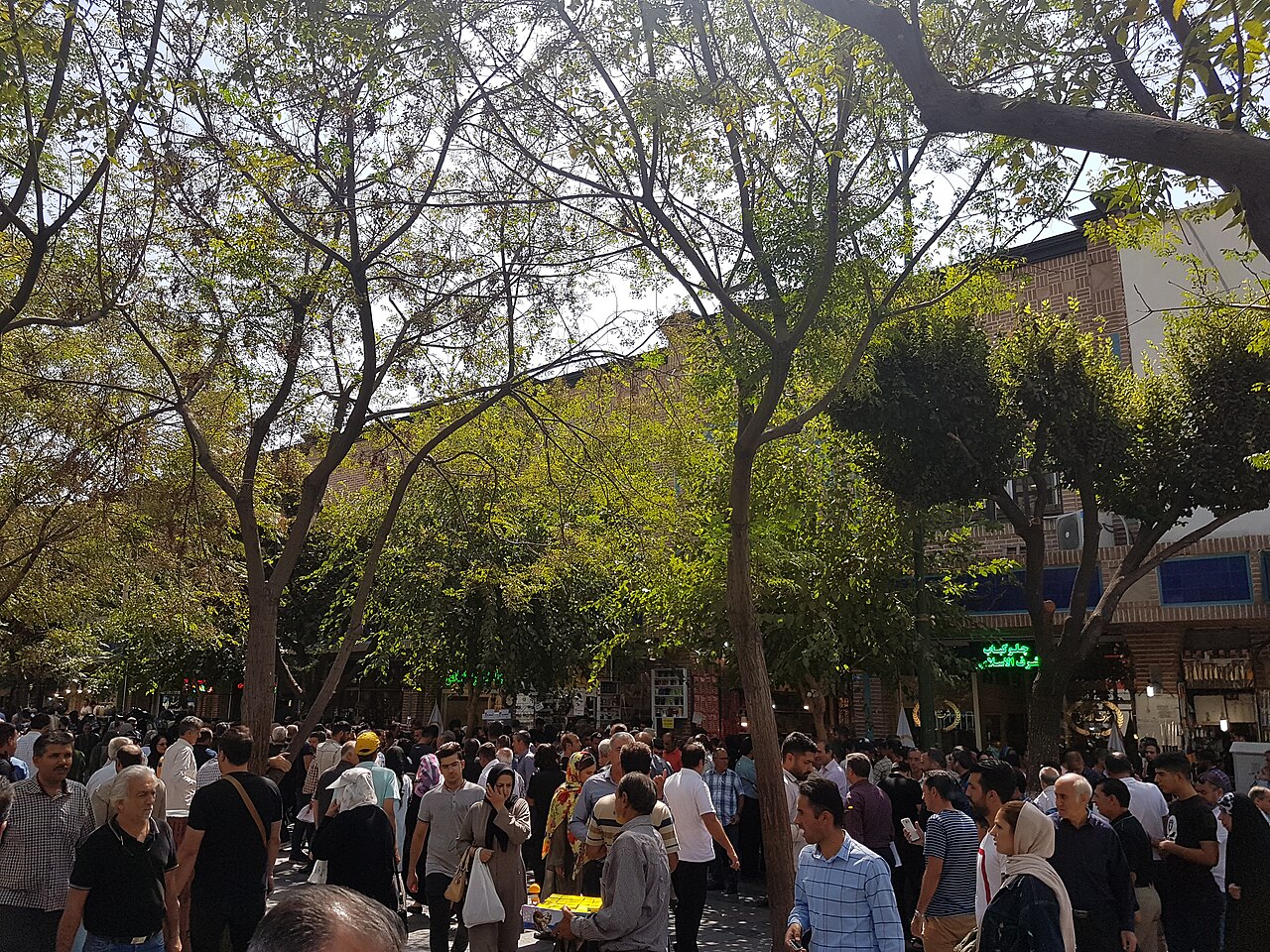
Today, prices in the bazaar, in real estate listings and at currency exchange offices are almost always quoted in tomans.
How does it work?
In practice, dropping one zero from a rial amount gives you the toman amount. For example, 1,000,000 rials is 100,000 tomans. Gulf News reports that Iranians informally use the toman system in daily shopping by dropping one zero from rial amounts.
This dual usage can cause confusion in the news. The Central Bank and official institutions usually give figures in rials, while market reports and exchange rates are mostly quoted in tomans. When Farsçadan reports the dollar rate in "thousand tomans," the rial equivalent is ten times higher.
Why does it matter?
The rial has been losing value for many years because of sanctions and high inflation. According to Gulf News, one U.S. dollar traded at about 1,115,000 rials on the open market in early October 2025. As a result, everyday prices run into millions of rials, and using tomans has become a practical convenience. Exchange-rate moves directly affect the purchasing power of kalabarg, cash aid and wages.
On October 5, 2025, Iran's parliament passed a law to remove four zeros from the national currency. According to bne IntelliNews and Gulf News, under the law 10,000 old rials will equal one new rial, and the new rial will be divided into 100 qerân. The Central Bank has two years to start the transition, and the period in which old and new money circulate together will last up to three years. According to Gulf News, the law still needed the approval of the Guardian Council and the president's signature to take effect.
Debates
The name of the new currency was debated. According to bne IntelliNews, lawmakers rejected the government's proposal to rename the currency the "toman" and kept the "rial" as the official unit. Some economists say removing zeros won't solve inflation on its own, and that the real problems are monetary policy and budget deficits.