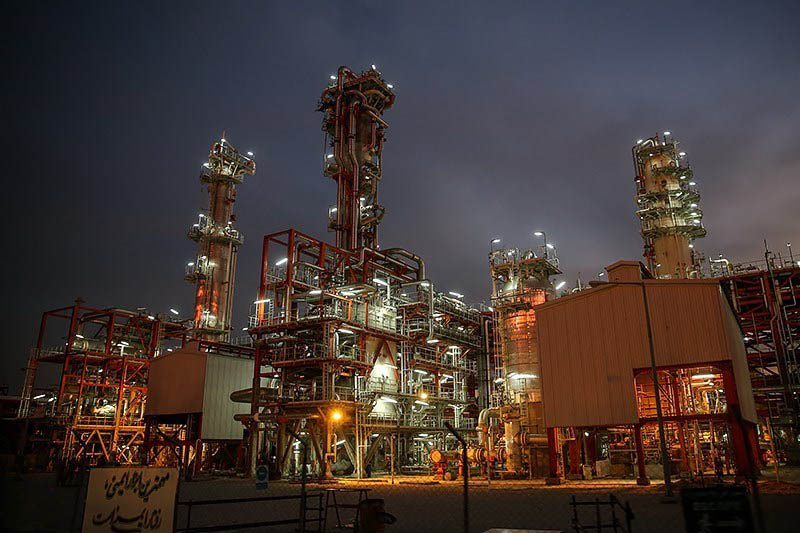
Reza Sepahvand, spokesman for the Iranian parliament's Energy Committee, said the country's natural gas supply-demand gap has grown by 130 million cubic meters compared with last year. Sepahvand said gas supplied to industry could be cut during the cold season. According to Donya-e-Eqtesad, the spokesman also said gas and electricity cuts to industry will continue until the end of the year. In the Iranian calendar, the end of the year falls in March 2027.
Asked about gas stations being closed at certain hours, Sepahvand said there was no gasoline shortage in the country. According to the spokesman, daily consumption exceeded 150 million liters in the last two weeks of the month of Shahrivar because of end-of-summer travel, and has now fallen back to about 132 million liters. He said stations selling less gasoline than required were violating the rules and should be reported to the National Iranian Oil Refining and Distribution Company.
Sepahvand added that no change in energy prices is on the agenda of the government or parliament until the end of the year. The only exception is raising the price of station owners' fuel card quota from 5,000 tomans to 10,000 tomans. The spokesman cited preventing smuggling and steering vehicles toward CNG as the reasons for this step.
How the Persian press covered it
The opposition outlet Iran International, based abroad, covered the same topic in a broader frame under the headline "Energy shortage crisis: A hard winter awaits Iran." According to the outlet, the shortfall reached 300 million cubic meters on the peak days of last winter. This winter, the picture is expected to be worse because of infrastructure damaged in the war and reduced production capacity. The domestic source, by contrast, emphasized the message that gasoline supply is adequate and that there will be no price increase.
Context
Despite having one of the world's largest natural gas reserves, Iran has for years faced supply shortfalls in winter months, when demand peaks because of home heating. The government usually closes the gap by cutting gas to industry, particularly energy-intensive sectors such as steel and cement. These cuts directly affect production and exports.