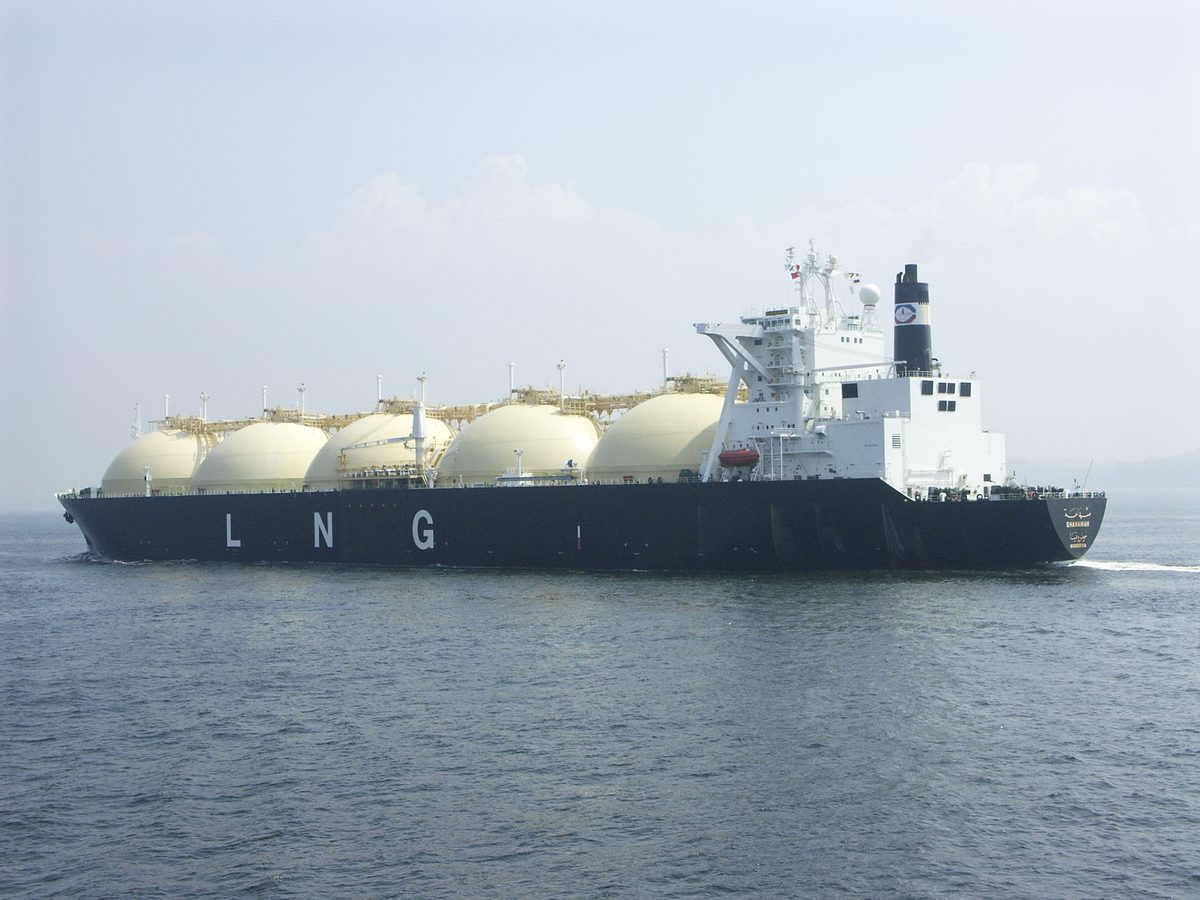
Liquefied natural gas (LNG) shipments through the Strait of Hormuz in September reached their highest monthly level since the US-Israel-Iran war began in February 2026, according to Reuters. According to the report, which the London-based Iran International relayed in Persian, gas shipping showed a marked recovery despite security concerns and navigational uncertainty in the region.
According to figures from energy data provider S&P Global Commodity Insights, 19 LNG cargoes passed through Hormuz in September; data firm Kpler recorded 21 cargoes for the same month. Thirteen of the shipments came from Qatar and 6 from the United Arab Emirates. The figure marks an increase from the 15 cargoes recorded in June. However, the report notes that before the war an average of three LNG cargoes passed through the strait each day, meaning the September total remains well below prewar levels. Analysts expect that if the increase continues in October, LNG transits could reach about 25 percent of the prewar level.
According to Oilprice.com's account based on Reuters data, most LNG vessels now sail in "dark mode" with their tracking systems (AIS) switched off, making it difficult to independently verify shipment volumes. According to the same report, unlike crude oil tankers, transferring LNG cargoes from ship to ship on the open sea is technically harder, so operators remain more dependent on transiting the strait directly.
Oilprice.com reported that the constrained supply of Middle Eastern LNG has pushed natural gas prices in Asia and Europe to their highest levels since the 2022-2023 energy crisis. According to the report, Qatar has extended its force majeure declaration until November 2026; although three LNG cargoes recently made it out of Qatar's Ras Laffan port, this volume is said to be insufficient to meaningfully improve the global supply balance. Analysts warn that if the winter is colder than normal, Europe and Asia could face serious supply shortages.
The report stresses that this partial recovery also coincided with the week of the attack in which a tanker was hit off Oman, meaning the security risk has not disappeared entirely. The main uncertainty about sustainability concerns the winter: it is not yet clear whether Iran will see the rising shipments as an erosion of its deterrence over the strait, or how sustainable the high cost of US naval convoys escorting tankers will be.
Context
The Strait of Hormuz is a narrow waterway through which a significant share of global LNG trade passes, and it is the main route for gas exports from Gulf countries, Qatar above all. Since the US and Israeli military campaign against Iran began in February 2026, tanker companies have limited their voyages for security reasons, insurance costs have risen, and some companies largely halted transits through the strait for months. The September data point to a partial recovery in shipping after months of decline; however, experts stress that whether this trend lasts depends on Iran's military posture in the region and on the sustainability of the US commitment to maritime security. Although Turkey is not directly on this shipping route, fluctuations in energy supply security in the region could indirectly affect Turkey through global natural gas prices.