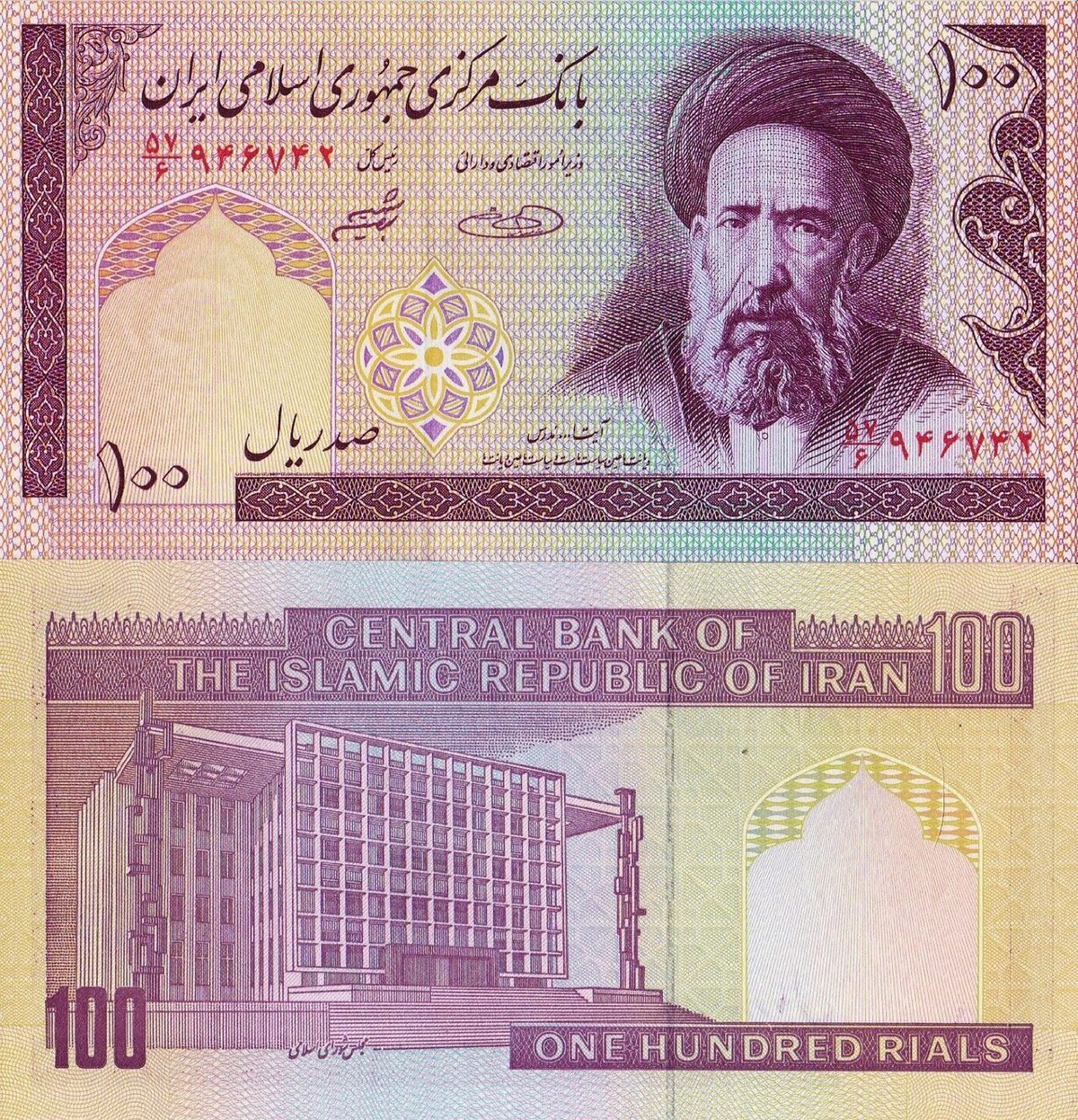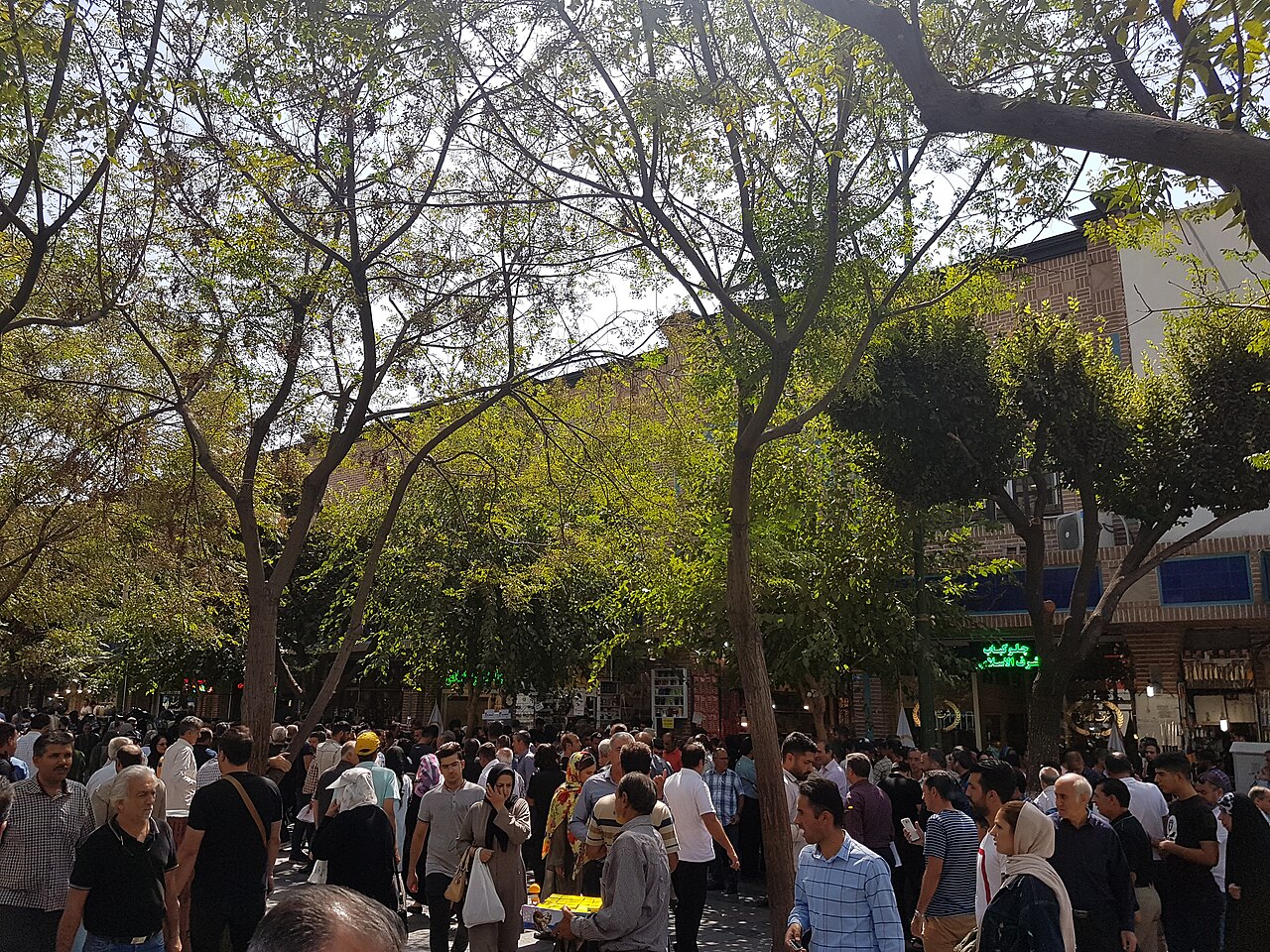
According to Eqtesad24, Iran's failure to pay stores on time for the kalabarg (electronic food voucher) system is leading an increasing number of grocers to reject the card. According to Ettelaat's report, a manager of a meat and protein products store told reporters, "We don't sell on kalabarg anymore, because right now we still have six billion tomans in receivables"; the article notes this sentence is the clearest summary of the current crisis.
According to the report, the government frequently mentions that it has allocated 996 billion tomans in resources for the kalabarg program in fiscal year 1405, but the situation on the ground does not match these figures. According to Eqtesad24's field interviews, some produce stands affiliated with the municipality have also stopped accepting the card; a manager at one of these centers said, "We still haven't received the money we were owed two months ago." The Labor, Cooperatives and Social Welfare Department of Gilan Province also linked the drop in chicken availability through kalabarg at some stores to payment delays, and stated this issue is not specific to one province but is national in scope; the calls being made to shopkeepers for "forbearance" (patience/tolerance) may be a moral appeal but is not an economic solution.
According to Khabaronline's relay from Hane-ye Millet, Alireza Suleimi, a member of Parliament's Presidium, confirmed the same problem: "Many centers providing kalabarg service are hesitant to accept the card because the government is not honoring its payment commitments." Suleimi, deputy for the Tehran, Ray, Shemiranat, Islamshahr and Pardis district, said small shopkeepers cannot wait for government payments lasting months, as they themselves struggle with rent and bank installment payments, and called for Parliament's economics commission and relevant institutions to urgently address the issue, saying "necessary resources have been provided, this sector has assured revenue, the government is committed to paying expenses on time."
How the Persian press covered it
| Source (orientation) | Headline / framing |
|---|---|
| Ettelaat / Eqtesad24 (moderate-traditionalist) | Told the story from the grocers' perspective with concrete figures ("six billion tomans in uncollected payments"); reported critically on government's "forbearance" appeal. |
| Khabaronline (moderate conservative) | Framed the issue as an institutional responsibility call through a parliament member's voice; did not include the grocers' perspective. |
Context
Kalabarg is Iran's electronic credit system designated for households to purchase basic food products, and serves as a social support tool for households determined by the government according to income tier. The government announced in August that its debt to stores had been cleared, but field reports contradicted this claim; at that time, the office of then-Vice President Mohammad Reza Arif had denied these complaints. Today's reports show that two months after that announcement, the problem has not been solved but rather has spread. The government had promised last week to expand kalabarg support and provide cash aid to the first three income tiers; today's report reveals that these promises are proceeding alongside payment infrastructure problems. The crisis's growth exposes the state's difficulties in managing cash flow in an economy pressured by war and sanctions, and the fragility of low-income households' access to food.