What is it?
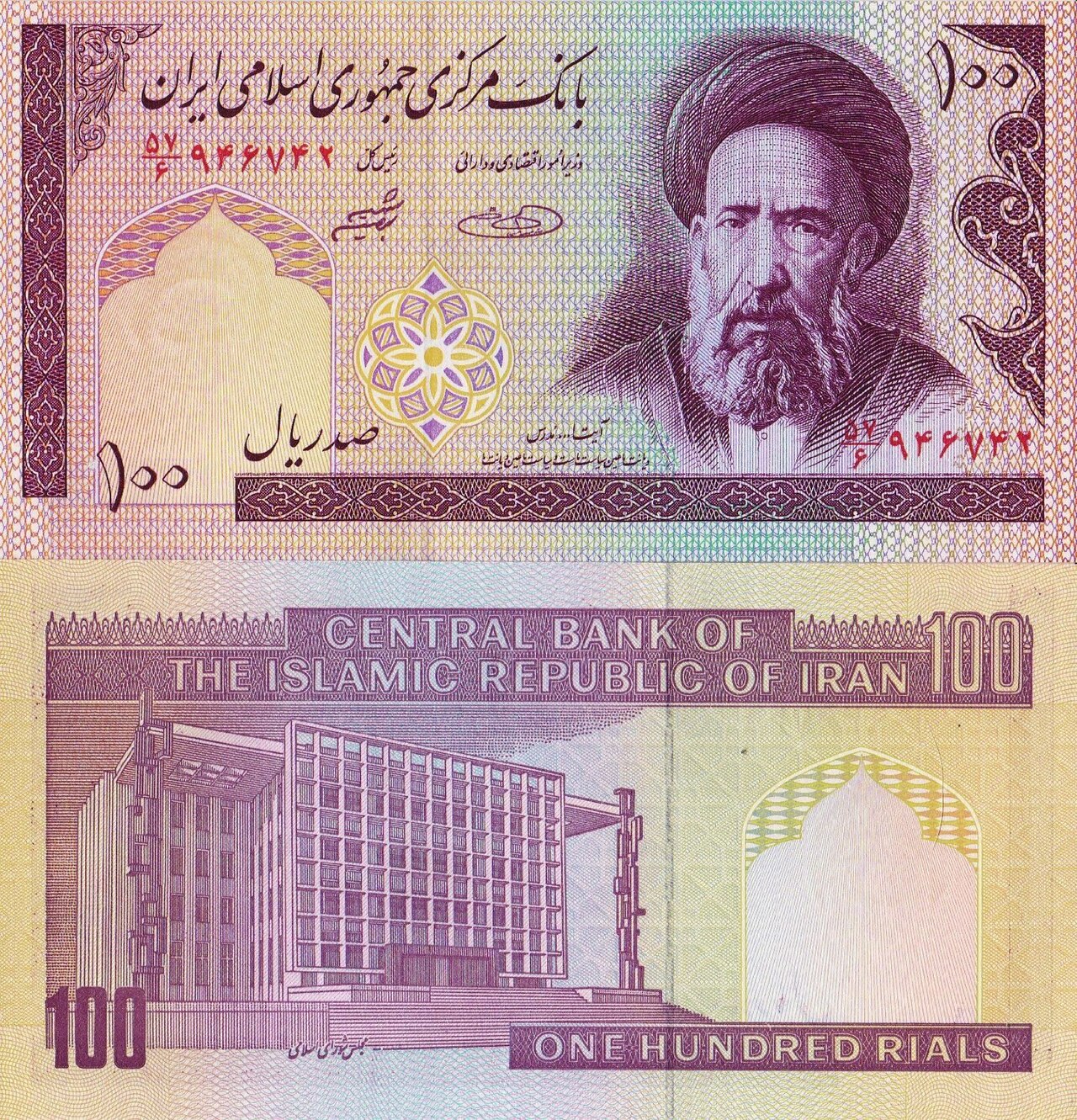
Kalabarg (Persian pronunciation kâlâbarg) is an electronic credit that the Iranian government gives households so they can buy certain staple foods. The word combines kâlâ, meaning "goods, commodity," and barg, meaning "leaf, sheet of paper." Its closest English equivalent is "goods coupon" or "food coupon," and English-language reports also call it a "food card."
Paper coupons have been familiar in Iran since the war years of the 1980s. In English-language sources, today's electronic system is called the "National Credit Network." According to its Wikipedia entry, the system was set up in June 2023 and is run by the Ministry of Cooperatives, Labor and Social Welfare.
How does it work?
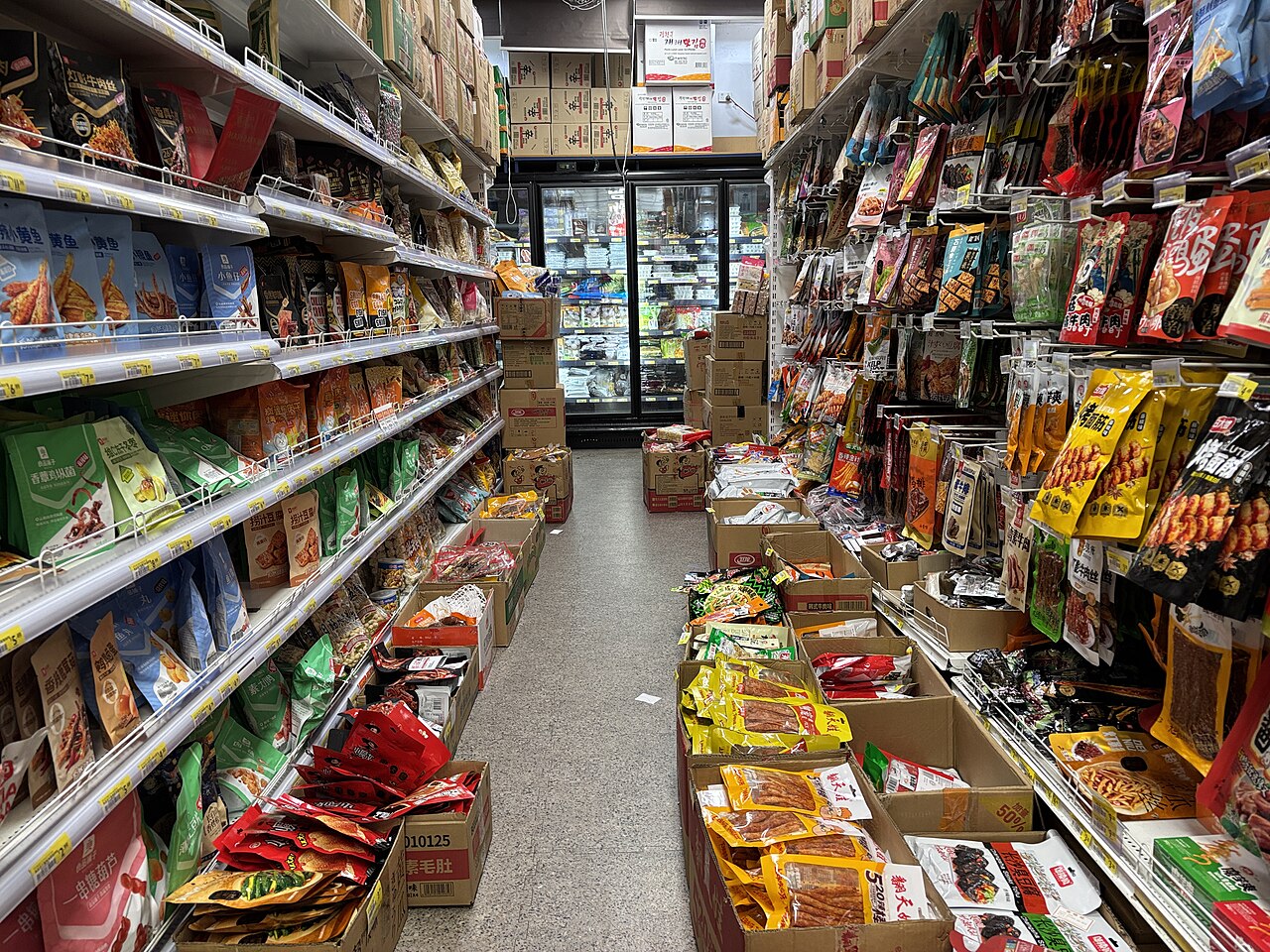
The coupon isn't a physical piece of paper. The credit is loaded electronically onto the eligible household's registered account. It can be spent only on listed products at participating grocery stores, wholesalers or chain stores. NIAC reports that people can shop in person or through an online platform, paying with coupon credit, a bank card or both, and that purchase quantities are capped according to household size.
The covered products are usually staples such as rice, meat, chicken, eggs, cooking oil, sugar, pasta, dairy and legumes. Eligibility depends on how households rank in the income-decile system (dahak), which runs from one to nine. The government changes the coverage, the amount per person and the product list from time to time, so current amounts should be checked against the latest official announcement.
Why does it matter?
High inflation, the falling rial and sanctions push food prices up directly in Iran. In this environment, kalabarg is one of the government's main tools for supporting household budgets. That is why its coverage, amount and payment schedule are frequent news topics in the Persian press. How each political camp frames these stories also offers clues for reading the economic agenda.
Kalabarg is also a significant budget item. Any expansion of coverage raises the question of how it will be financed.
Debates
The program's effectiveness is disputed. Criticism focuses on the accuracy of the data used to identify eligible households, how quickly rising prices erode the credit and whether products are available in participating stores. The Wikipedia entry cites assessments that the program failed to provide poor households with more affordable nutrition. The government, for its part, defends the system as more targeted support than direct cash payments.