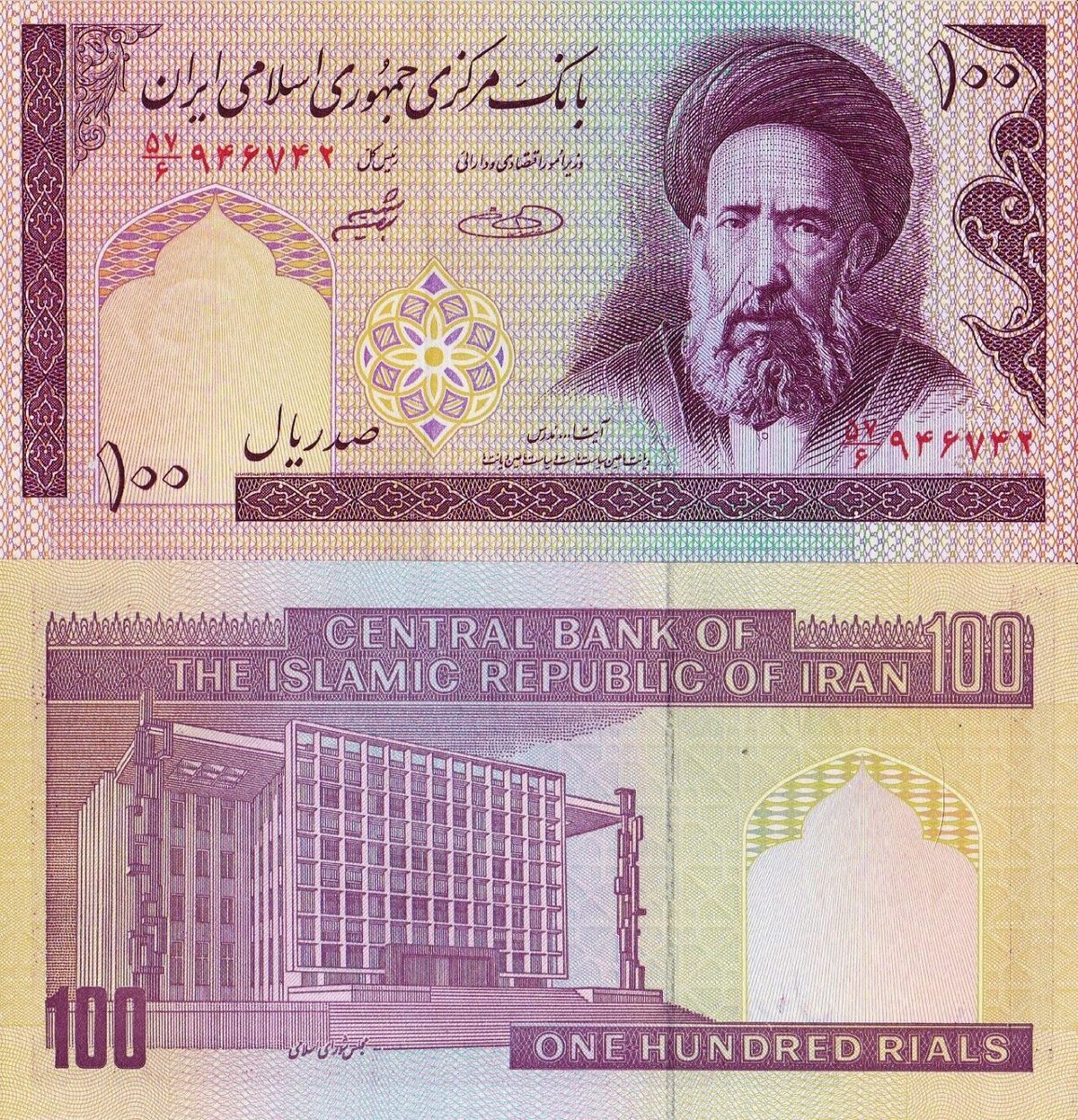
According to Kayhan, Parliament Speaker Mohammad Baqer Kalaibaf responded to criticism of the Central Bank's decision to sell $10,000 to every citizen over 18, saying: "When I learned about this from the media, I was genuinely shocked. I didn't understand why such a thing was done." Tehran deputy Mehdi Kuchekzadeh criticized the policy during Sunday's session, saying "I haven't slept in days." The statement came after the dollar exchange rate exceeded 270,000 rials.
Kalaibaf argued that economic pressure is the "last weapon" of the US, which has suffered "decisive defeat" in the battlefield, and said he would personally follow up on the issue and, if necessary, bring it before the full Parliament. According to Hamshahri, on the second day of the $10,000 subsidy implementation, the sharp rise in the dollar exchange rate halted and a slight decline was seen. However, Albert Baghziyan, a faculty member at Tehran University, said that selling allocated foreign currency at near-market prices risks making it a "new floor price" signal and would have been more effective if implemented a few months earlier.
According to Ettelaat's separate report, Central Bank Governor Abdulnasser Hemmati and Economy Minister Seyyed Ali Moheinirad gave "strange and odd" responses to journalists' questions about the currency increase during the funeral procession of the Foreign Minister's sister on the same day; details of the responses were left to video recordings. Meanwhile, according to Hamshahri's bread subsidy report, the government's promise to increase bread subsidy credit has not yet been tied to a specific figure: the Economy Minister expressed hope for a minimum 300,000-rial increase while the Central Bank Governor targeted a 50% increase, yet official statistics show food inflation reached 121%—indicating that the agreed increases will lag behind inflation.
How the Persian press covered it
| Source (orientation) | Headline / framing |
|---|---|
| Kayhan (hardline) | Emphasizes Kalaibaf's shock and his rhetoric blaming the US. |
| Hamshahri (principlist) | Reports the short-term market impact of the currency subsidy and an economist's cautious assessment. |
| Ettelaat (moderate-traditionalist) | Frames the "strange" responses given by the Central Bank Governor and Economy Minister to journalists in a critical light. |
Context
The Iranian government is simultaneously trying to manage the post-war currency crisis through both direct currency sales (providing $10,000 to every adult 18 and over) and increasing bread subsidy credit for low-income households. However, according to official statistics reported by Hamshahri, food and beverage inflation has reached 121% annually and 257% for solid fats and oils—suggesting that nominal support increases will be unable to maintain real purchasing power. The Parliament Speaker's "shocked" statement reinforces the impression that the decision was not made with broad consensus even within the government.
This story directly connects to the earlier story about the dollar exceeding 270,000 rials: the same crisis is being managed from both the currency supply and food support fronts, but figures on both fronts remain unsettled.
This news is for information only; not investment advice.