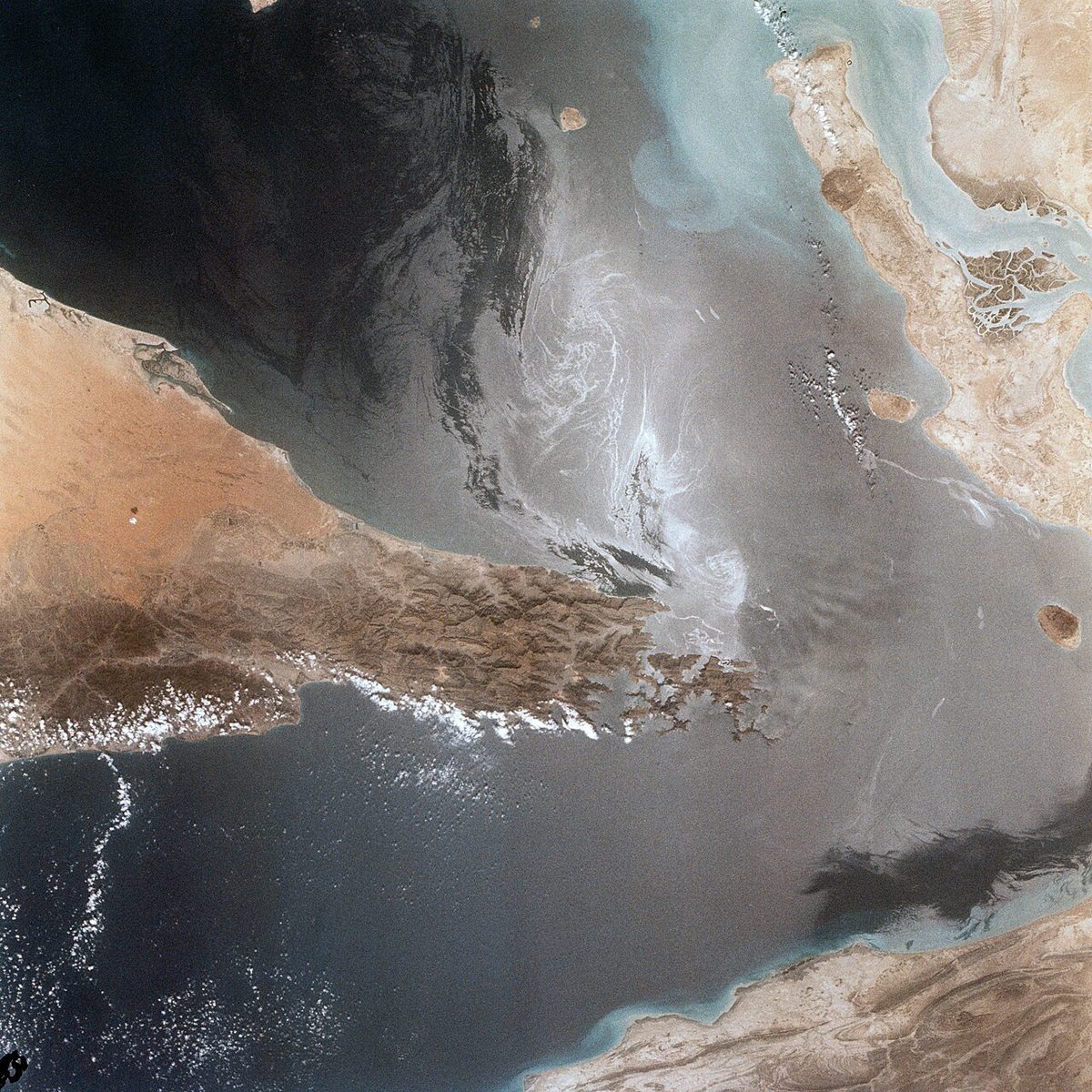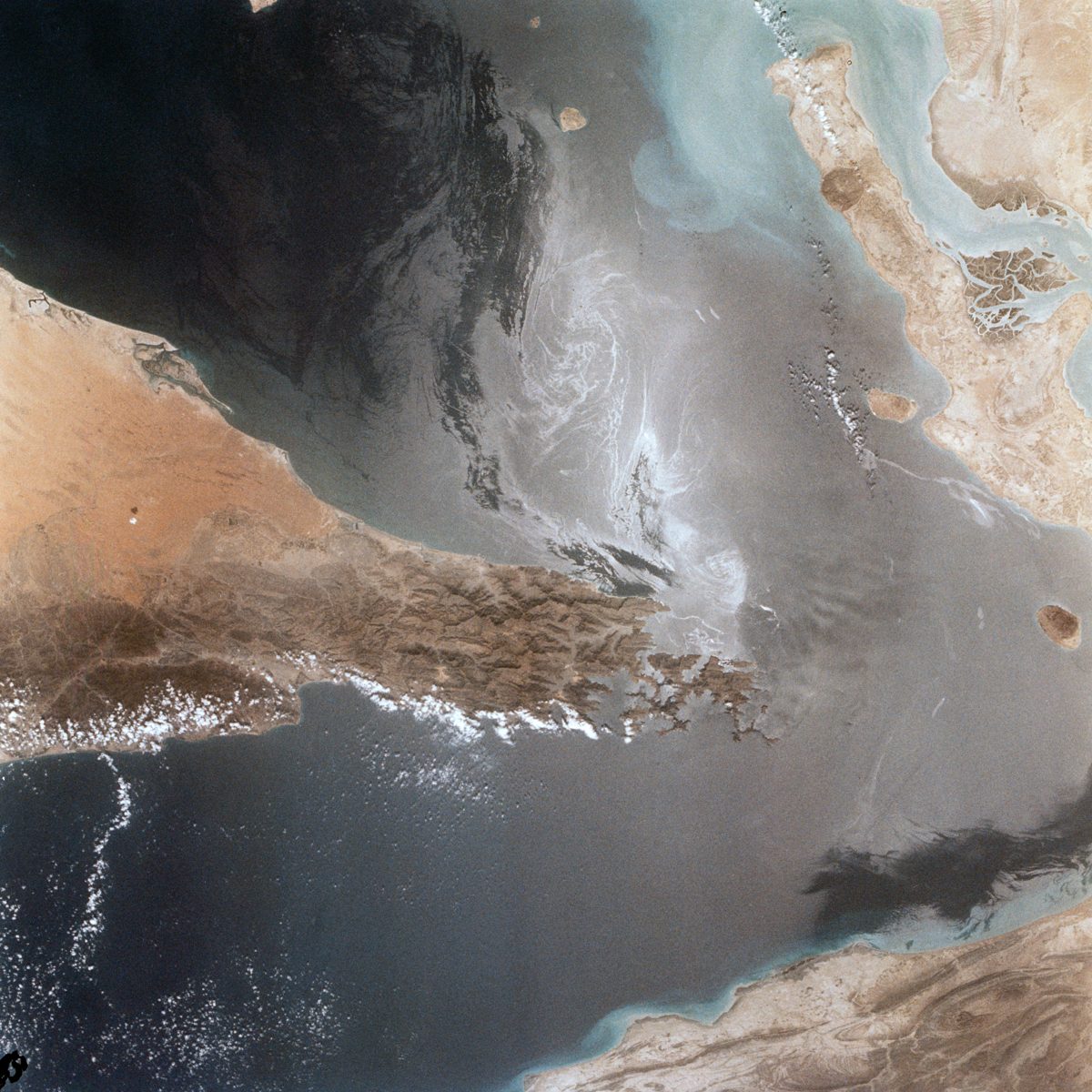
According to IRNA, General Ali Fadavi, head of the advisory council of the Revolutionary Guards command, announced that for the "first time," no American naval vessel exists in the Persian Gulf, the Strait of Hormuz, the Gulf of Oman, or even in the northern Indian Ocean. Fadavi presented this as proof that Americans "fled" and that Iran achieved military superiority. That same evening, it was reported that a tanker in Iranian waters near Oman was fired upon, with explosions heard on Qeshm and Siri islands.
In an extensive interview published by Hamshahri, Fadavi argued that US military power is "naval-centric" and that the American Navy, present in the region since 1853, is now more than a thousand kilometers away. According to Fadavi, 46% of the world's oil exports pass through Hormuz, and "problems" in the strait directly affect the global economy, particularly the US and Europe. He cited Europe's diesel prices exceeding 2 euros (approximately 700,000 rials) as an example.
However, a different picture emerged that same evening. Donya-ye Eghtesad reported that residents of Qeshm and Siri heard explosions from the sea, which may have been related to warning shots fired at "unauthorized" vessels transiting, but no official statement was made—the story was reported with "unconfirmed" notation. Hardline Kayhan, citing the UK Maritime Trade Operations (UKMTO), reported that a tanker attempting to pass through the Oman route was struck by gunfire, with damage to the engine room but crew safe; according to Kayhan, three "unauthorized" tankers were targeted on Saturday as well. According to the same newspaper, charter rates for large tankers increased 43 times since January; physical crude reached approximately $126 per barrel and Brent rose above $102.
How the Persian press covered it
| Source (orientation) | Headline / framing |
|---|---|
| IRNA / Hamshahri (state news agency / principlist) | Reports Fadavi's "US Navy completely withdrawn" statement as a military victory. |
| Donya-ye Eghtesad (technocratic) | Reports the Qeshm-Siri explosion sounds cautiously without official verification. |
| Kayhan (hardline) | Carries UKMTO-sourced tanker strike reporting and the 43-fold increase in charter rates, emphasizing the strait as an Iran-favorable pressure tool. |
Context
Fadavi's "no American ships" claim contradicts US sources: according to USNI News, two US warships transited Hormuz in April to establish a new route for merchant vessels. According to Stars and Stripes, the Pentagon deployed the USS Theodore Roosevelt aircraft carrier and 10,000 sailors and Marines to the region in early October. Therefore, Fadavi's "Navy completely gone" statement should be marked as "unconfirmed"; both sides paint opposing pictures.
This story continues the line of the earlier tanker strike incident and Tehran press discussion on whether closing the strait benefits Iran: while official rhetoric emphasizes full control of the strait, scattered field information suggests continuing tension. The detail UKMTO mentions about "transit via the Oman route" is a sign that Iran considers only its own designated southern route safe; this reveals the limits of actual control in the strait.
This news is for information only; not investment advice.