Presidential chief adviser Oktay Saral was dismissed on Sunday following his criticism of restrictions targeting the headscarf in Azerbaijan schools. According to Iran's hardline Kayhan newspaper, the dismissal is part of an effort to calm diplomatic tensions between Ankara and Baku.
According to Kayhan's report, a regulation that took effect in Azerbaijan in September and bans clothing deemed "incompatible with secular education" has prevented headscarved students and teachers from entering schools. Saral criticized the practice on social media, calling it "unacceptable," and posed the question: "What conscience, what justice can defend denying education to a girl who covers her head because of her faith?" Kayhan wrote that Saral's statements were viewed in Baku as "interference in internal affairs," and that the Azerbaijani government had requested Ankara remove the adviser.
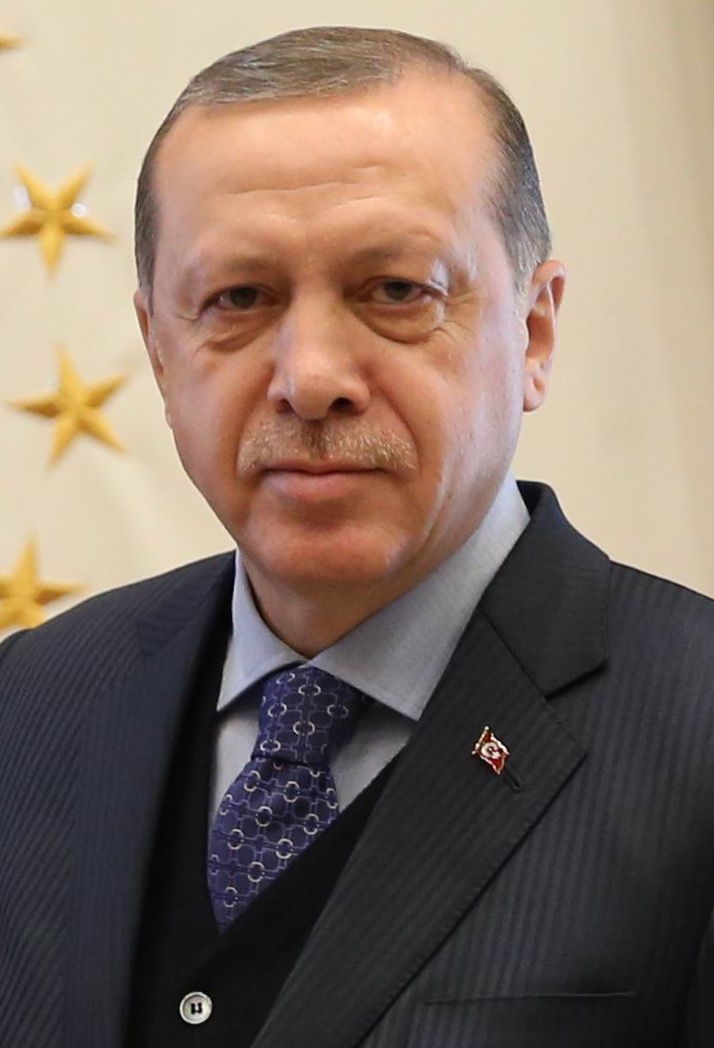
According to reports from Türkiye Today and Middle East Eye, President Recep Tayyip Erdoğan dismissed Saral on Sunday evening; Saral, considered one of AKP's prominent figures, said when asked if the decision was connected to his Azerbaijan statements, "Yes, it seems so," and expressed "full respect" for the president's decision. Middle East Eye reported that Baku's demands extended beyond Saral's dismissal, also requesting legal action against social media accounts that criticize Aliyev. Kayhan added to its claim by reporting that Azerbaijan's president said he would not attend the Turkish States Organization summit hosted by Ankara if Saral was not dismissed; this claim was not officially confirmed.
Context
Azerbaijan's government changed its school dress code regulation in September, banning clothing deemed "incompatible with secular education"; while the regulation does not name the headscarf directly, headscarved students and teachers were prevented from entering schools. The decision faced broad backlash within Azerbaijan; the Interior Ministry announced that 37 people were detained in Baku for violating public order, while activists claimed the number was higher—though these figures were not independently verified. Criticism from religious and political circles in Turkey also forced the government to balance its relationship with Baku. In an earlier phase of the crisis, Ankara had already stepped back from similar criticism.
The crisis between Ankara and Baku exposed the limits of the two countries' strategic partnership: while the nations maintain close cooperation on joint defense industry and energy projects, they experience sharp disagreements on internal political issues. Saral's dismissal was reported amid expectations that it would facilitate Aliyev's attendance at the next Turkish States Organization summit hosted by Ankara; however, both governments have not formally confirmed this link. Azerbaijan's ruling New Azerbaijan Party had previously characterized Saral's statements and similar comments from some AKP deputies as "populist and irresponsible." At the October 31 summit, Aliyev did not attend despite the personal invitation, suggesting Saral's dismissal alone did not deliver the expected rapprochement.
Kayhan's report frames the event as a sign of Turkey's posture toward its regional allies and argues that Ankara has reversed its initial critical stance with a "180-degree turn," suggesting even that those criticizing Azerbaijan's internal affairs in Turkey would be punished—though this last claim was not confirmed in other sources used. The incident served as an example of how the headscarf issue has become a sensitive domestic political matter in Turkey's regional alliances.