A new chapter has emerged in the protests that spread to Turkey over Azerbaijan's ban on headscarves in schools. According to a report Kayhan attributes to Tasnim, Turkish officials and media who criticized the ban last week have softened their stance this week; Kayhan interprets this as Ankara "backing down in the face of economic and political interests" and presents it in the headline as a "threat" to those in Turkey who criticize Azerbaijan's internal affairs.
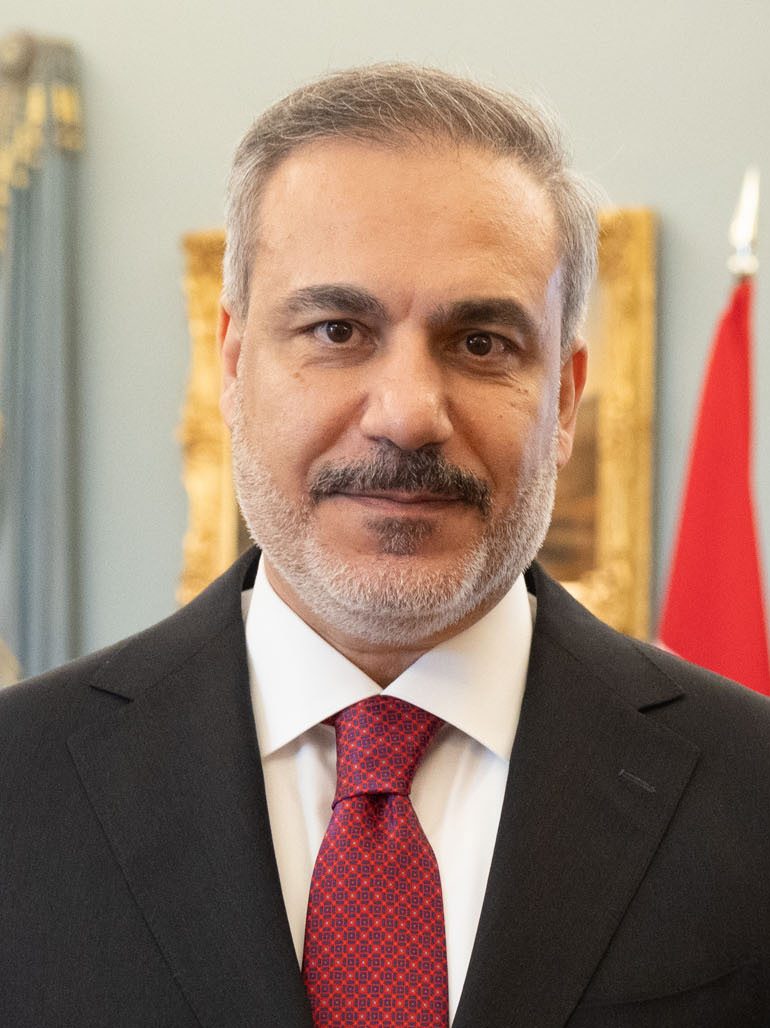
According to Kayhan's report, last week a group of civil society activists in Istanbul protested outside Azerbaijan's consulate against the ban, questioning the "two states, one nation" slogan and objecting to Baku's close ties with Israel. According to Kayhan's account, Foreign Minister Hakan Fidan described Azerbaijan's position on headscarves as "different approaches" and "trivial matters," saying: "Different approaches should not be turned into propaganda tools... we oppose [the issue] being blown up on social media and turned into political tension." Former Prime Minister Binali Yildirim, in remarks to an Ankara-based television channel, stated: "Who has the right to meddle in Azerbaijan's internal affairs? We will never accept it, and whoever tries to interfere will be punished in the harshest way; we are two independent states and must respect each other's decisions." Yildirim also noted that earlier critical remarks by Oktay Saral, Erdogan's chief advisor, on the headscarf ban represented a "personal view" and did not reflect the presidency's official position.
In Kayhan's framing, Yildirim's words about "harshly punishing" meddling in Azerbaijan's affairs could be read as a warning against external interference; however, Kayhan's headline presents this as a threat against critics in Turkey. This interpretive difference was not independently verified; Fidan and Yildirim's full remarks may reflect a concern to preserve economic and political ties with Azerbaijan amid the crisis.
How the Persian press covered it
Kayhan presented the story as "the Erdogan government's retreat" and pointed to earlier statements by Fatih Erbakan that "this never happened even in Armenia" to highlight what it called inconsistency on Ankara's part. Other monitored Persian sources (IRNA, ISNA, Hamshahri) had no separate coverage of today's developments; the issue first entered the agenda with IRNA's report on October 14 covering protests in Turkey over Azerbaijan's school hijab ban, and only the hardline Kayhan has covered today's developments.
Context
The Azerbaijan government introduced a new dress code regulation in state schools in September, citing the "principle of secularism," which has resulted in headscarved students and teachers being barred from some schools. According to Al Jazeera's reporting, the regulation does not explicitly ban headscarves but prohibits "clothing that violates the principle of secularism," triggering student boycotts in at least two schools; the Azerbaijani government argues the rule is part of a uniform dress policy applied equally to all students. This tension in Azerbaijan—which defines itself as a secular state in its constitution while also guaranteeing freedom of religion—has become a rare public rift in the "two states, one nation" relationship celebrated in Turkish-Azerbaijani relations. Harsh criticism from Fatih Erbakan, leader of the Yeniden Refah Party, signals that Turkey's opposition has seized on the issue.