After the November 3 Congressional midterm elections, the U.S. warned regional allies of possible new military action against Iran and Tahran's potential retaliation. According to Iran International, citing AP sources, two unnamed diplomats said U.S. diplomatic and defense officials conveyed this warning to several Middle Eastern countries; the White House and U.S. officials declined to comment.
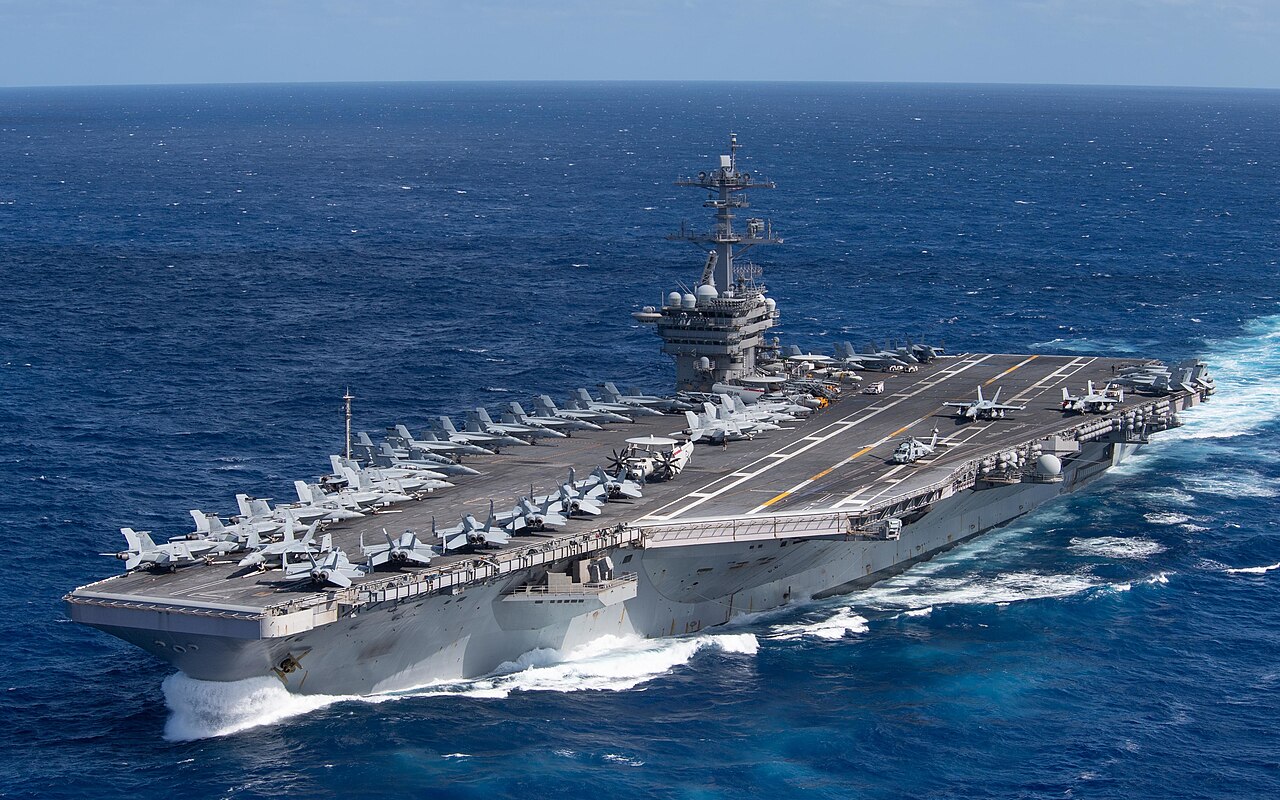
According to AP's sources, Washington told allies the new operation round could last several days and requested measures against possible retaliatory strikes on energy facilities and other critical infrastructure. While the Pentagon left the timing of possible operations after the election unclear, it did dispatch the aircraft carrier USS Theodore Roosevelt with approximately 9,000 troops from San Diego to the Persian Gulf at the end of September—a move that could raise U.S. naval and Marine personnel in the region above 20,000.
Meanwhile, according to Axios—as reported by Hamshahri—Saudi officials told the White House after their Tehran visit that Iran is evaluating potential U.S.-Israeli strikes following the midterms. Regional mediators led by Qatar are working on a seven-day confidence-building plan that would exchange partial sanctions relief for UN inspector access to Iran's nuclear facilities. An Iranian official told Reuters this framework was an "unacceptable list of ideas" and that no concessions would be made on the nuclear file; however, Iran reportedly evaluated the proposal and was expected to respond by the end of the week. U.S. Ambassador to Israel Mike Hakabi told Newsmax that only "Trump and Netanyahu" know whether a new operation will occur and when; according to Donya-e Eqtesad, this statement was relayed through Al Jazeera. Regional mediation also involved Turkish and Pakistani security delegations visiting Tahran jointly conveying the same message, according to reports; Al-Monitor's English coverage of Iran's assessment of the seven-day plan supports this. However, no firm ceasefire framework or strike date was confirmed.
How the Persian press covered it
| Source (orientation) | Headline / framing |
|---|---|
| Iran International (Opposition, diaspora) | Emphasized the scope of the warning based on AP diplomatic sources and highlighted U.S. military buildup. |
| Hamshahri (Tehran municipality, principlist) | Balanced Saudi mediation and Qatar's seven-day plan with Iran's firm stance against nuclear concessions. |
| Donya-e Eqtesad (Economic daily, technocratic) | Elevated Ambassador Hakabi's "only two people know" statement through Shafaqna/Al Jazeera coverage. |
Context
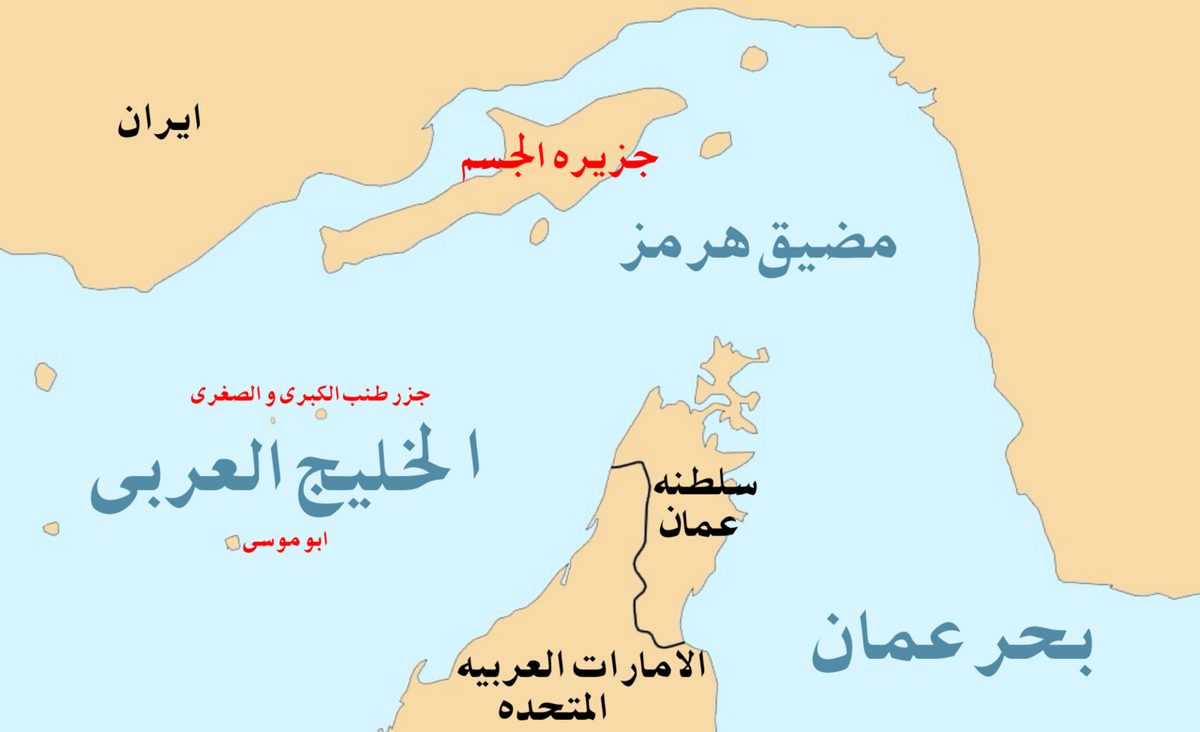
The warning came after The Atlantic reported that the Trump administration was evaluating post-election Iranian strike options and estimates placed a potential U.S.-Iran war at $47 billion in cost to America. Washington and Tahran have continued negotiations linking the normalization of Strait of Hormuz traffic to loosened sanctions; their disagreement centers largely on the sequencing of steps. Because Congress's control will be determined in the midterms, the Trump administration's postponement of possible military action until after the election reflects both domestic political and regional calculations.
For information only; not investment advice.