The week of November 9–15 was shaped in the Persian press by three parallel developments: direct military confrontation in Bahrain alongside the resistance shown by the blockade the U.S. is extending to Iran's land borders; the political cost the war is exacting inside Washington following the midterm losses; and Iran's hardening rhetoric on nuclear deterrence. This article draws from reports Farsçadan published throughout the week. Each fact is attributed to its relevant article and the news organization that sourced it.
The week's three headlines
1. The blockade extends to land, but pressure campaign proves fruitless
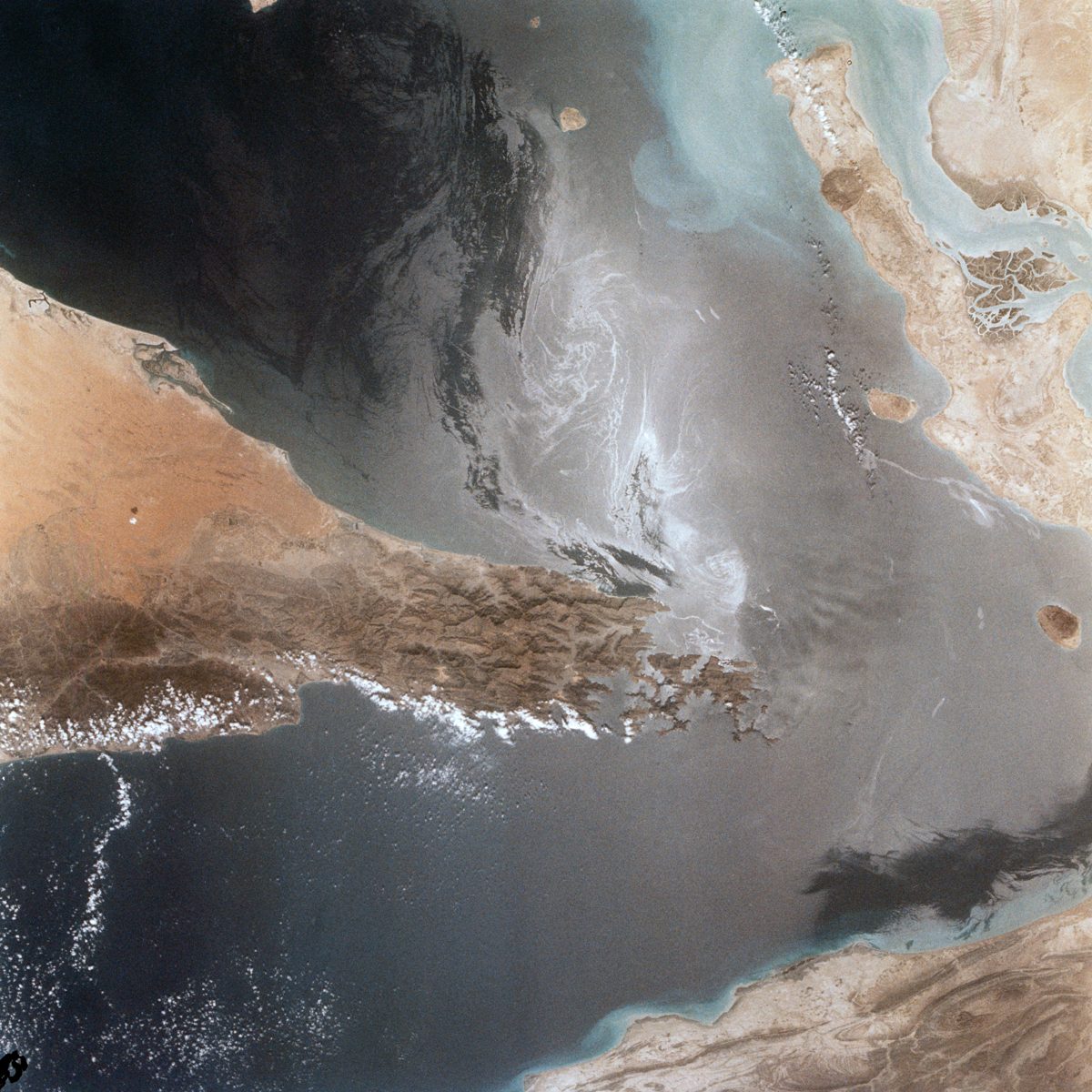
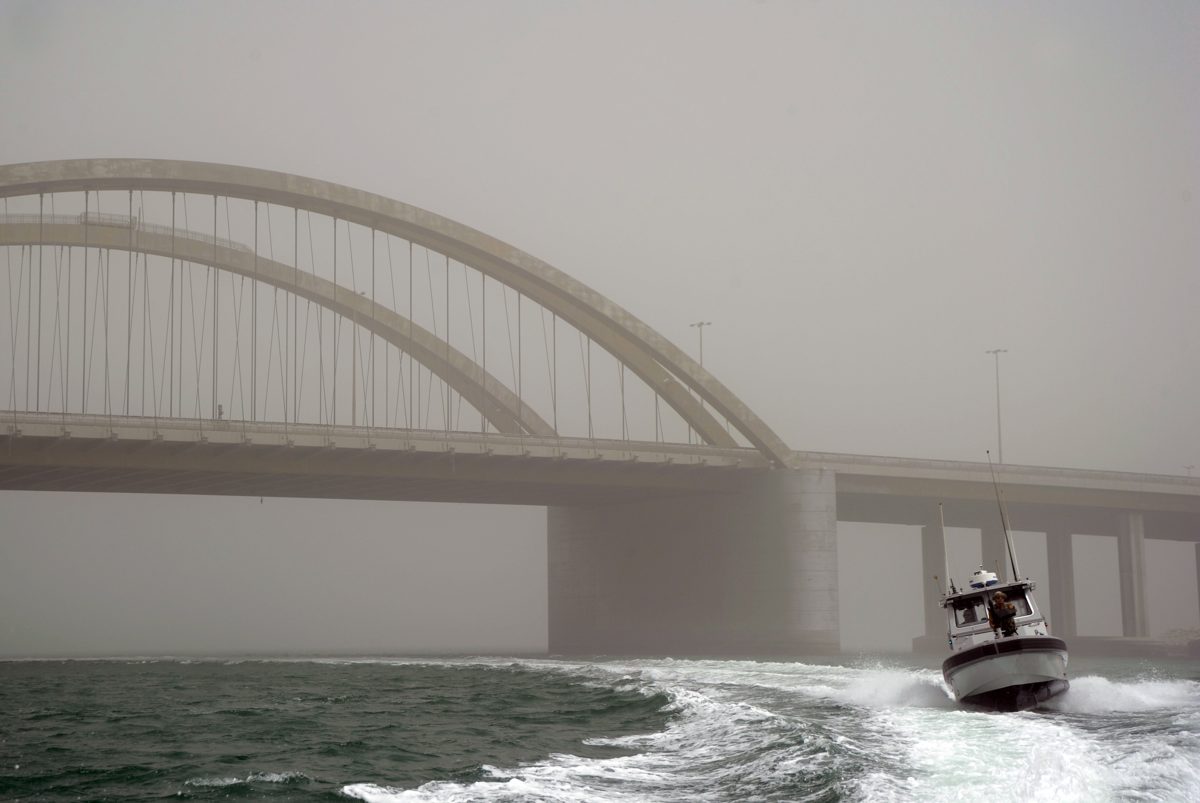
The week opened with reports suggesting the regional conflict was spreading on multiple fronts: according to ISNA, on Sunday Yemeni Houthis struck Riyadh and eastern Saudi Arabia with missiles and drones, damaging an Aramco building (Strike on Riyadh); ISNA separately reported that the Kor Mor gas field in Iraqi Kurdistan was hit by drones a second time the same night, with no claim of responsibility (Second strike on Kor Mor). On the land blockade front, according to Khabaronline citing the New York Times, U.S. efforts to persuade Turkey, Iraq, and Pakistan to close their land borders to Iran have failed despite weeks of pressure; all three countries told Washington that border communities dependent on cross-border trade would suffer (NYT: pressure campaign fails). Pressure was applied through other channels: according to Iran International citing Reuters, Iraq prevented a plane carrying Iran's national football team from landing in Basra due to U.S. sanctions (Basra airport football flight); according to Ettela'at, a market analyst said restrictions at land borders could push the dollar to near 300,000 toman (Dollar near 300,000 toman); according to Khabaronline, Central Bank Governor Hemmati countered with a statement about "33 billion dollars" in foreign exchange supply (Hemmati-Bessent debate). On Friday morning the blockade escalated to direct military confrontation: IRNA reported that the Islamic Revolutionary Guard Corps announced it had destroyed an early warning radar in Bahrain in retaliation for an airstrike on the city of Sirik in Hormozgan (IRGC: We hit Bahrain radar).
2. Washington's political cost from the war, and a simultaneous diplomatic channel
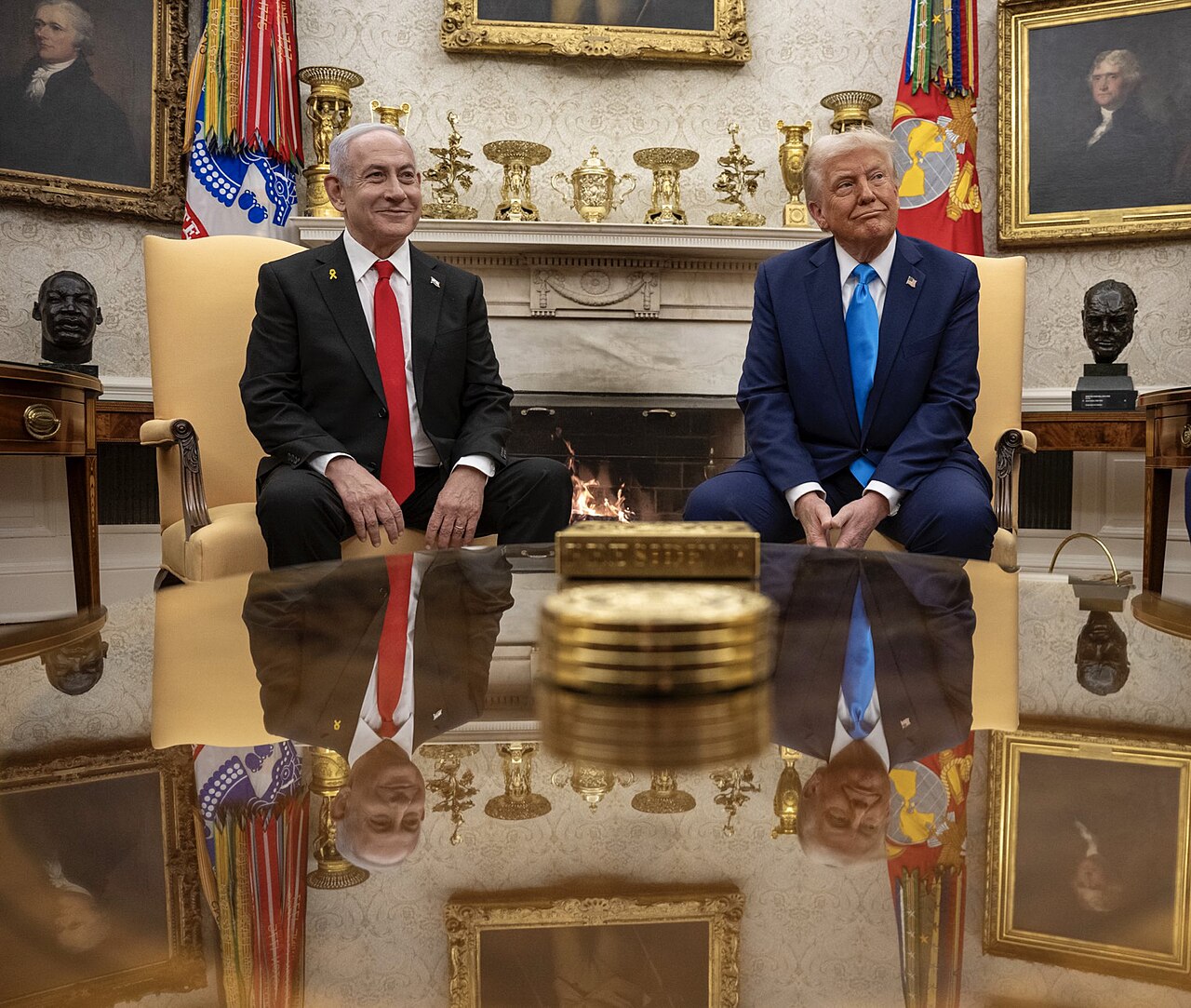
On the U.S. side, the week's dominant theme was the political price paid domestically for the war. According to ISNA, Trump linked the midterm losses in an interview to the Iran war and rising gasoline prices, though said he had no intention to escalate (Trump: War's role in election loss). According to Khabaronline citing AP and CNN, Republican Rep. Massie submitted an eight-point impeachment resolution against Secretary of Defense Hegseth for conducting "illegal war" against Iran, Yemen, and Venezuela (Hegseth impeachment resolution); according to IRNA, despite the losses Trump repeated "adventurism" rhetoric toward Iran while on the same day Senate Democrats blocked the defense budget during wartime (Trump repeated threat); late in the week, Hamshahri reported that a bipartisan group of representatives is preparing to bring a new resolution constraining Trump's war powers back to the House (House war powers initiative). The diplomatic channel remained active the same week: according to Iran International, Rubio said negotiations had stalled while Trump hosted Qatar's Prime Minister in Washington the same day (Rubio: Demands unacceptable); Iran International reported that Turkish intelligence chief Kalın announced Vance and Rezai would meet in Qatar, but Revolutionary Guard–affiliated Tasnim denied this (Kalın: Vance-Rezai Qatar meeting). According to Donya-ye Eqtesad, military pressure inside Washington competed with three approaches: military escalation, diplomacy via Qatar, and prolonged naval blockade (Three competing approaches). International pressure also mounted: Iran International reported that G7 foreign ministers demanded in their Paris statement that Iran guarantee shipping passage through Hormuz (G7 Paris statement); Donya-ye Eqtesad reported that in the UN Security Council, Russia and China wanted the war to end immediately while Iran's envoy warned of "immediate and resolute" retaliation against further strikes (UN Security Council meeting); the week closed with Donya-ye Eqtesad reporting via the New York Post that Trump, Xi, and Putin would hold a trilateral meeting Thursday in Xinjiang, where the Iran war could come up (Trump-Xi-Putin summit).
3. Hardening rhetoric on nuclear deterrence and civilian preparedness
The nuclear file saw continued hardening over the week. According to Hamshahri citing Vatan-i Emrooz, when images of a new "missile city" unveiled by the IRGC Air Force last week were released Tuesday, they drew wide coverage in Israeli media; Kayhan framed the move as an "open message to enemies" (Missile city). According to Ettela'at's full text, the Assembly of Experts declared the review of defense doctrine "an inevitable national demand" and called withdrawal from the NPT unavoidable (Assembly of Experts: NPT withdrawal inevitable). Late in the week, Kayhan reported via Tasnim that Iran's Vienna delegation told IAEA Director General Grossi that the "snap-back" inspection regime could not revert to its pre-war form under wartime conditions (Vienna: IAEA response). The hardening had civilian echoes: according to Khabaronline citing IRNA, an official from the Food and Drug Organization stressed that potassium iodide (KI) supply for CBRN threats should be based on scientific need analysis, not ad hoc responses (CBRN preparedness).
Framing differences
The same facts took on different frames across the political spectrum over the week.
| Source (orientation) | Event | Framing |
|---|---|---|
| Khabaronline (moderate conservative, via NYT) | Land border blockade | Emphasized U.S. persuasion effort had been "fruitless" |
| Ettela'at (established daily, moderate-traditionalist) | Same restrictions | Presented as concrete pressure pushing dollar to 300,000 toman |
| Khabaronline (Hemmati's statement) | Same economic picture | Reported Central Bank's "$33 billion" foreign exchange supply as rebuttal |
| Hamshahri (Tehran municipality, principlist) | New missile city | Reported technical details under headline "What the images revealed" |
| Kayhan (hardline, Supreme Leader's line) | Same missile city | Framed as "open message to enemies" |
| Iran International (opposition, diaspora) | Kalın's Vance-Rezai Qatar claim | Reported Turkish intelligence chief's announcement directly |
| IRNA (state news agency) | Trump's post-election rhetoric | Reported repetition of "adventurism" framing as news |
| Donya-ye Eqtesad (economic daily, technocratic) | Iran's UN Security Council statement | Highlighted Darzi's warning of "immediate and resolute" retaliation |
The starkest contrast appeared on the economic front: while Ettela'at portrayed land border restrictions as pressure driving the dollar to 300,000 toman, that same week Central Bank Governor Hemmati attempted to reverse the narrative through Khabaronline with "$33 billion" in foreign exchange supply. The security file showed a parallel pattern: IRGC-aligned outlets framed the missile city as a deterrence signal, while Hamshahri adopted a more neutral technical frame for the same imagery.
Turkey dimension
The week's Turkey connection was multifaceted. According to IRNA, deaths from an explosion at the HABAŞ Steel factory in Izmir's Aliağa district rose to 17; Turkish and Persian sources described the cause differently (Izmir factory explosion). On the diplomatic front, Iran International reported that Turkish National Intelligence Organization Chief Kalın announced Vance and Rezai would meet in Qatar, casting Turkey in a mediation role, though Tehran denied it (Kalın's Qatar claim). Turkey also became a party to regional diplomacy: according to Hamshahri, a Pakistan Army spokesperson confirmed that last month's quadrilateral security meeting in Tehran included Turkey, Saudi Arabia, and Pakistan, and that all four countries agreed to continue dialogue (Tehran quadrilateral meeting). Turkey hosted a significant international meeting: Iran International reported via Reuters that as COP31 climate summit opened in Antalya, President Pezeshkian described the war's environmental costs in figures (COP31 Antalya); IRNA reported that BRICS's Nuclear Energy Platform held its annual meeting in Antalya and Iran's delegation attended (BRICS nuclear platform in Antalya). On the security front, Iran International reported that one of those charged by the U.S. against IRGC-affiliated individuals had been arrested in Istanbul earlier this year and extradited to the U.S. (Suspect arrested in Istanbul); IRNA reported that in three separate operations at Salmas near the Turkey border in West Azerbaijan, 41 foreign nationals and 2 smugglers were arrested (Salmas smuggling operation).
What to watch next week
- Thursday: As reported by Donya-ye Eqtesad via the New York Post, Trump's trilateral meeting with Xi and Putin in Xinjiang will show whether the Iran war comes up and what arms control framework emerges (Trump-Xi-Putin summit).
- November 18–19: As reported by Iran International, at the next G7 foreign ministers meeting in Paris, the extent to which pressure over transit guarantees through Hormuz and IAEA cooperation becomes concrete remains unclear (G7 Paris statement).
- Date unannounced: According to Hamshahri, when the House vote will occur on the new war powers resolution and how many Republicans will support it is still unknown (House war powers initiative).
- Date unannounced: According to Ettela'at's statement, whether the Assembly of Experts' declaration of NPT withdrawal as "inevitable" becomes an official move and when defense doctrine revision will happen remains to be seen (Assembly of Experts: NPT withdrawal inevitable).