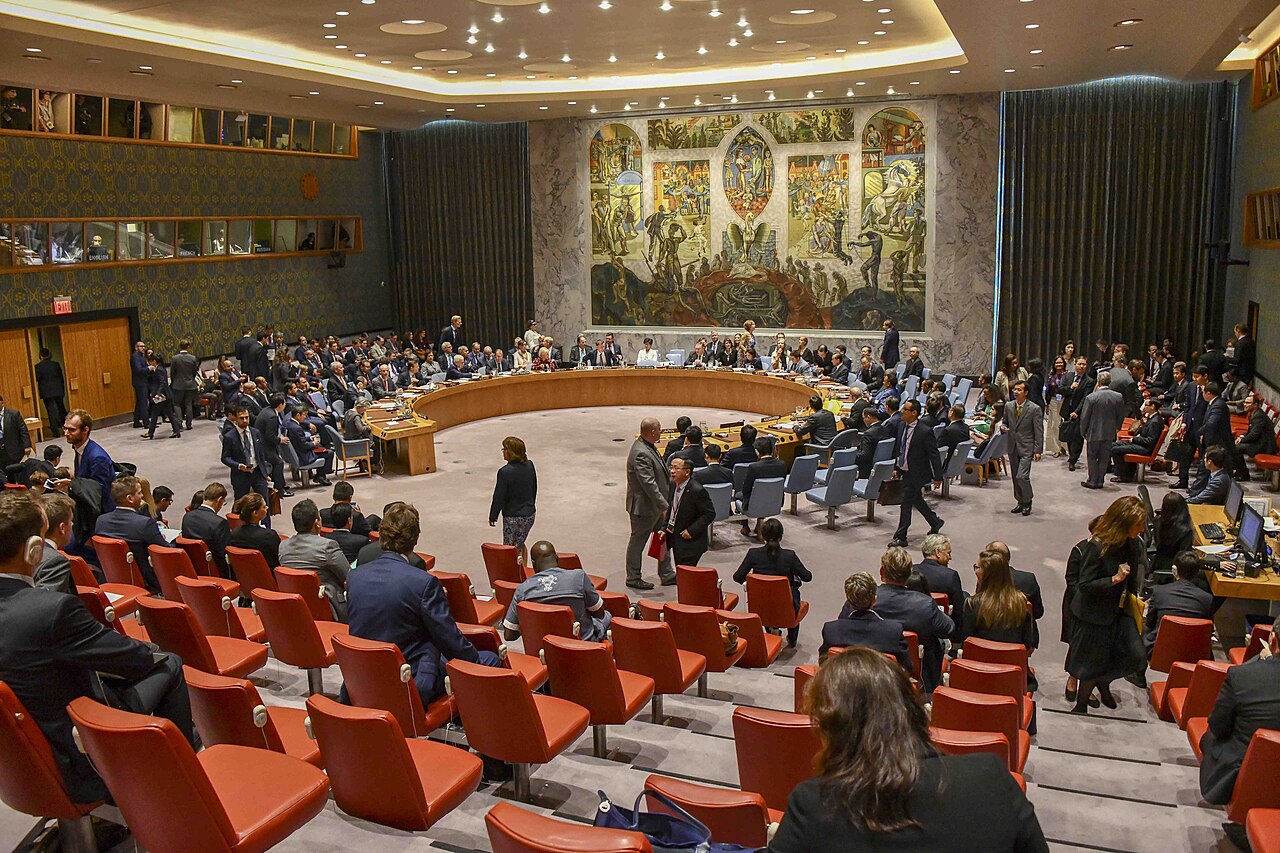
During the UN Security Council's "Situation in the Middle East" session, Russian and Chinese representatives called Friday (November 13) for an immediate end to U.S. and Israeli military operations against Iran. According to Donya-ye Eqtesad, Iran's UN Permanent Representative and Minister Counselor Gholamhossein Darzi warned in the same session that any new U.S. attack would be met with "immediate and decisive" retaliation.
According to the full text published by Donya-ye Eqtesad, Darzi said, "Iran has never closed the door to diplomacy over the past two years" and that repeated such experiences had created deep distrust, making progress impossible without credible guarantees for renewed negotiations. Darzi used the language: "Let me be clear and direct: should the U.S. and Israeli regime resume their aggressive war, it will be met with an immediate and decisive response, with no room for doubt, targeting the source of the aggression. The U.S. representative has neither legal, political, nor moral standing to accuse Iran."
According to Hamshahri, citing Mehr, Russia's UN Security Council representative charged that the U.S. and Israel have set the region ablaze with aggression against Iran, sparking a dangerous chain of regional conflict; the representative also cited a purported missile attack on a school in Mina'bad that killed more than 150 children and an alleged assassination attempt against Iran's leadership among events that "shocked the international community." The Russian representative added that the International Atomic Energy Agency has recorded no evidence of Iran diverting nuclear material or transferring it for military purposes. None of these claims were independently verified or confirmed by independent or Western sources. According to Hamshahri, citing Tasnim, China's representative said conflicts must be halted immediately, that war has no winners, and that unilateral military action must cease; thanking Qatar and Pakistan for mediation efforts, China called for the U.S. and Iran to return to the "Islamabad Accord."
How the Persian press covered it
| Source (orientation) | Headline / framing |
|---|---|
| IRNA (State news agency) | "Chinese and Russian representatives: war against Iran must end immediately," emphasizing that negotiation has no alternative. |
| Donya-ye Eqtesad (Economic daily, technocratic) | Reported Darzi's full speech in detail; placed "warning of retaliation" to any new attack in the headline. |
| Hamshahri (Tehran municipality, principlist) | Reported Russian and Chinese representatives' speeches in separate articles; included Russia's claims about school attack and assassination attempt. |
All three sources framed the session through the lens of Iran, Russia, and China blaming the U.S. and Israel; the content of U.S. and Israeli statements was not detailed in the Persian sources. The school attack death toll and assassination attempt cited by Russia were not independently verified in any source; these points remained unverified.
Context
Background:
- November 12, 2026: G7 foreign ministers issued a statement after their Paris meeting calling on Iran to guarantee free passage in the Strait of Hormuz.
- November 13, 2026 (Friday local time): UN Security Council held a session titled "Situation in the Middle East" addressing the Iran-U.S.-Israel war.
Key terms: Gholamhossein Darzi, Iran's ambassador and minister counselor at its UN Permanent Mission, representing Iran's permanent delegation in New York. The UN Security Council's "Situation in the Middle East" agenda item is an open session format for regularly discussing regional security crises.
By the numbers:
- G7 foreign ministers' joint statement issued November 13 called for all UN member states to implement UN sanctions that were reinstated through the "snapback mechanism" in September 2025 (Donya-ye Eqtesad's November 14, 2026 report on the G7 statement).
- The "Islamabad Accord" referenced by China's representative was described as a negotiation framework that emerged through Qatari and Pakistani mediation; its date and contents were not detailed in Persian sources.
What's next: Darzi said Iran would continue to maintain its deterrent and respond to any new attack; no specific timeline or Council resolution was announced. The content of the U.S. and Israeli representatives' statements and whether the Council will produce a draft resolution remain unknown.
This subject was previously covered in reports titled Trump reiterates Iran threats despite election loss, congressional backlash grows and G7 statement blames Iran over Hormuz, draws attention to Fairford threat.