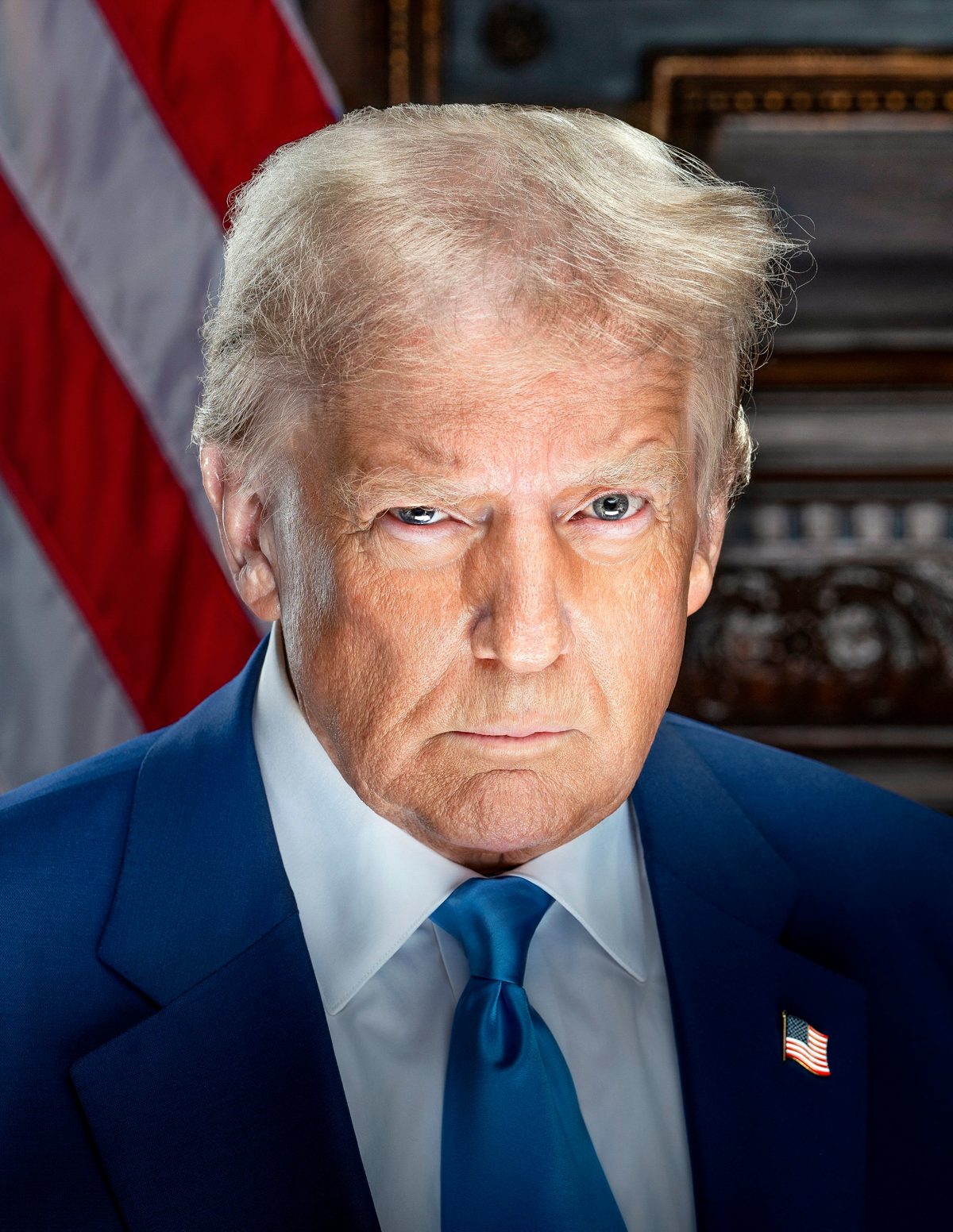
According to ISNA, in his first interview following the Congressional midterm election, President Donald Trump tied his party's electoral defeat to the war with Iran and rising gasoline prices; at the same time, he said he had no intention of escalating the conflict. The same day, Democratic Senator Elizabeth Warren announced that public pressure to end the war was growing.
According to ISNA, following the November 3 (12 Aban) midterms in which Republicans lost more than 40 seats in the House and at least seven in the Senate, Trump gave his first interview, acknowledged his party's failure while defending his administration's record. ISNA reported that Trump pointed to the Iran war, its economic consequences, and dissatisfaction with the Israeli leadership as factors affecting the election outcome. IRNA reported that Trump attributed the defeat to "unprovoked aggression against Iran" and rising gas prices, but claimed he had no intention of escalating the conflict. Both sources reported not Trump's full interview but selections emphasizing his assessment of the election results.
According to Iran International, in an interview with journalist Ross Douthat, Trump cited his own name not appearing on the ballot as the primary reason for the defeat; he claimed some supporters did not vote and others disliked the candidates he supported. According to the same source, Vice President JD Vance called widespread public opposition to the Iran war the main reason for Republican losses; Trump said he largely agreed with this assessment but answered "absolutely yes" when asked whether, in the same situation, he would strike Iran again. According to Iran International, Trump defended the strikes as weakening Iran's conventional military power and delaying its nuclear program; he suggested historians would judge his actions more favorably than voters had.
According to Iran International, citing a CBS News exit poll, approximately three-quarters of voters found the economy poor or inadequate, and 70% of that group voted for Democratic candidates; 58% of voters thought the administration had "gone too far" on immigration. Without directly citing the poll, Trump said in his own assessment that immigration policy had both helped and hurt him; he defended the border closure but said it was "overly harsh" that people whose only "offense" was unauthorized entry were being deported, even if they were working.
According to Hamshahri, Democratic Senator Elizabeth Warren (Massachusetts) said in an interview on CBS News's "Face the Nation" on Sunday evening: "The pressure to end the war against Iran is growing." According to the reporting of Warren's quoted remarks: "The people told us to stop this war; this war is illegal, it's being waged on the other side of the world, and the Trump administration to date has not explained its objectives or exit strategy. People don't want money spent there; they want to be able to buy gas and fuel because they want the economy to work again." Warren said Democrats are "ready to fight" on this issue and invited Republicans to join this call. According to Khabaronline's report of the same remarks, Warren added that this is a democracy and "the American people have spoken, and it's time to listen to them now."
How the Persian press covered it
| Source (orientation) | Headline / framing |
|---|---|
| ISNA (Semi-official) | Emphasized Trump's acknowledgment of defeat and attempt to defend his administration's record. |
| IRNA (State news agency) | Stressed that Trump attributed defeat to "unprovoked aggression against Iran"; characterized the war as "invasion." |
| Hamshahri / Khabaronline (moderate/principlist) | Highlighted Senator Warren's "illegal war" language and mounting public pressure. |
| Iran International (Opposition, diaspora) | Reported the interview details (Douthat, CBS poll, Vance's assessment, "absolutely yes" answer) in neutral language without loaded adjectives. |
State sources (IRNA, ISNA) framed the report as Trump's "admission" and directly characterized the war as "unprovoked aggression/invasion"; this characterization is attributed to the source, not Farsçadan's own judgment. Iran International reported the same interview with polling data and direct quotes in neutral language.
Context
Background:
- February 28, 2026: According to Al Jazeera, the US-Israel air campaign against Iran began with the war.
- April 2026: According to Al Jazeera, a ceasefire between the parties was reached.
- November 3, 2026: According to Reuters and AFP, Democrats gained majorities in both the House and Senate in the Congressional midterms; election results began to become clear the same day.
- November 8, 2026: CENTCOM announced "Iron Gate," ground forces expanding the Iran blockade to land borders (details); Trump claimed this operation was continuing "at full capacity."
- November 9, 2026: Republican Representative Massie, citing the war, reintroduced an eight-count impeachment resolution against Defense Secretary Hegseth (details).
Who they are: Elizabeth Warren, Democratic senator from Massachusetts; a consumer rights lawyer by training, known for positions on Wall Street regulation and anti-war foreign policy. Warren was a Democratic primary candidate for president in 2020 and has held active roles in Senate banking and financial oversight committees.
By the numbers:
- According to ISNA and Iran International, Republicans lost over 40 seats in the House and at least seven in the Senate in the November 3 election; some races had not yet been finalized at the time of writing (ISNA, November 9, 2026).
- According to Iran International's report on CBS News exit polling, approximately 63% of voters were dissatisfied with Trump's performance, and 44% said their opposition to Trump was one of their reasons for voting (Iran International, November 9, 2026).
- According to Al Jazeera, gas prices in Georgia rose from an average of $2.72/gallon in February 2026 when the war began to $3.66/gallon in November 2026 (Al Jazeera, November 4, 2026).
- According to Iran International's report of the same poll, 58% of voters thought the administration had "gone too far" on immigration; 70% of voters rating the economy as poor voted for Democratic candidates (Iran International, November 9, 2026).
For information only; not investment advice.
The presumption of innocence applies.