According to Iran International, a opposition outlet based abroad, U.S. Central Command (CENTCOM) announced on Saturday that it has established a task force called "Iron Gate" to extend its existing naval blockade of Iran to land borders and the Caspian Sea. The step aims to cut off Iran's receipt of advanced weapons systems, dual-use technologies, and sanctioned goods.
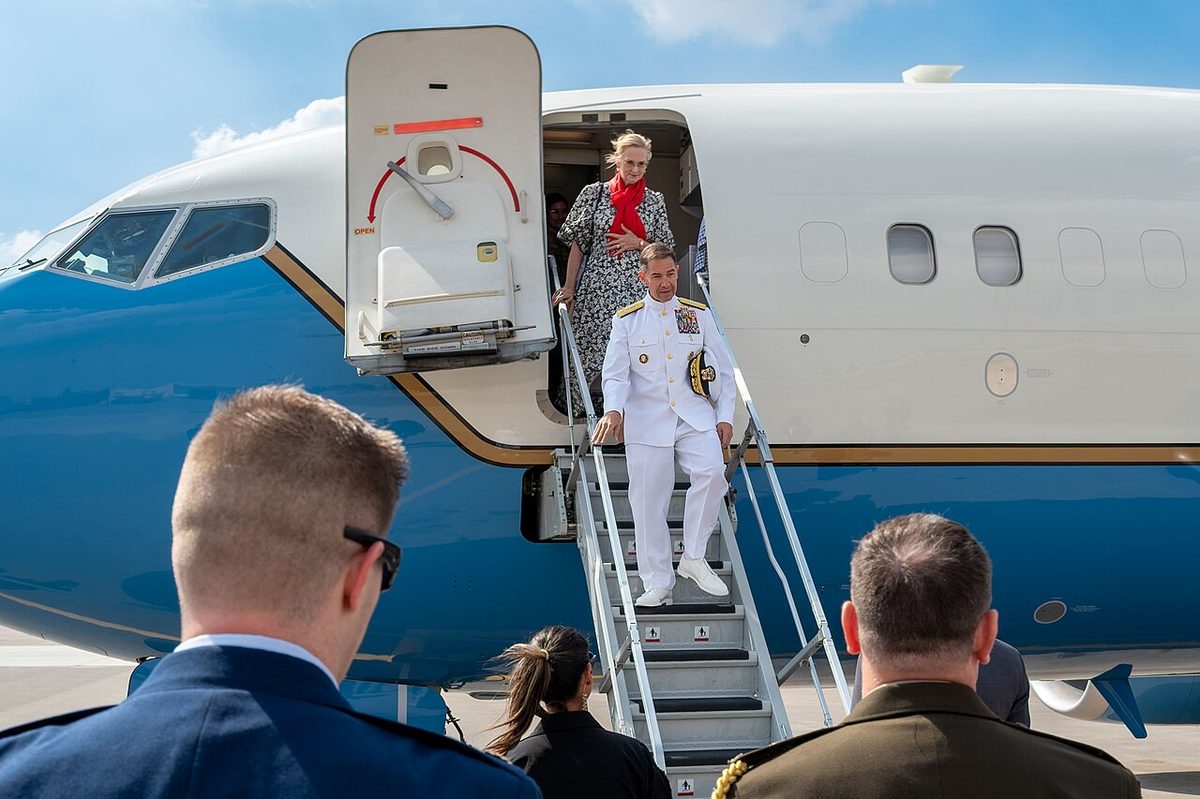
According to Iran International's report, CENTCOM said that Admiral Brad Cooper issued the order to establish the Iron Gate task force. The unit will be stationed at CENTCOM headquarters in Tampa, Florida, with approximately 20 military and civilian personnel; its role will be to coordinate with other U.S. government agencies to prevent shipments targeted by Washington from crossing Iran's land borders and the Caspian Sea. According to the CENTCOM statement carried by Iran International, these efforts will focus not only on preventing the transport of advanced weapons systems and dual-use technologies but also on combating the movement of sanctioned goods and what Washington describes as the Islamic Republic's illicit revenue streams. According to the report, Admiral Cooper characterized the task force's establishment as a step that would strengthen the results of the naval blockade against Iran; CENTCOM said that closer cooperation between the U.S. and different government agencies would further limit the Islamic Republic's capacity to finance terrorism, rebuild weapons factories, and resupply military equipment.
Iran International published the news alongside an archive photo of the Iran-Turkey border crossing at Bazargan; however, the text did not specify which land borders CENTCOM is targeting, and this detail could not be independently verified. This detail is addressed separately in the "Turkey dimension" section below.
On the same day, according to Hamshahri, U.S. national security analyst and writer for "The National Interest" Brandon Weichert described Admiral Cooper as "effectively an Israeli military officer wearing an American uniform" and suggested that Cooper wants to start war with Iran during his command tenure and aims to succeed Pete Hegseth as Secretary of Defense if Hegseth is removed. This is Weichert's assessment and has not been confirmed by CENTCOM or Cooper; Hamshahri, as a Tehran municipality outlet aligned with principlist ideology, carried the account.
In research conducted by Farsçadan using English-language sources, a task force called "Iron Gate" had not yet been confirmed by international news organizations as of the time this article was prepared; Iran International's report was the sole source. However, the claim that CENTCOM has provided land support to its Iran blockade is not new: the U.S.-based Israel & Jewish News (JNS), in a June 2 article, wrote that CENTCOM had by that date redirected 121 vessels, disabled 5, and that "thousands of U.S. troops at sea, air, and land" supported the operation—indicating the land dimension of the blockade existed months earlier, though it does not mean a separate task force called "Iron Gate" was established at that time.
Context
Background: CENTCOM's Iran blockade began months earlier. April 2026: CENTCOM announced the full implementation of a naval blockade of Iranian ports; reports said the blockade commenced within approximately 36 hours. June 2, 2026: According to JNS, by that date CENTCOM had redirected 121 vessels and disabled 5; the report noted that "thousands of U.S. troops at sea, air, and land" supported the operation. November 7, 2026: Iran's military announced it downed a U.S. drone over Qeshm Island; CENTCOM made no comment (details). November 7-8, 2026: Iran International reported that the blockade is being expanded to land borders and the Caspian Sea under a new task force called "Iron Gate."
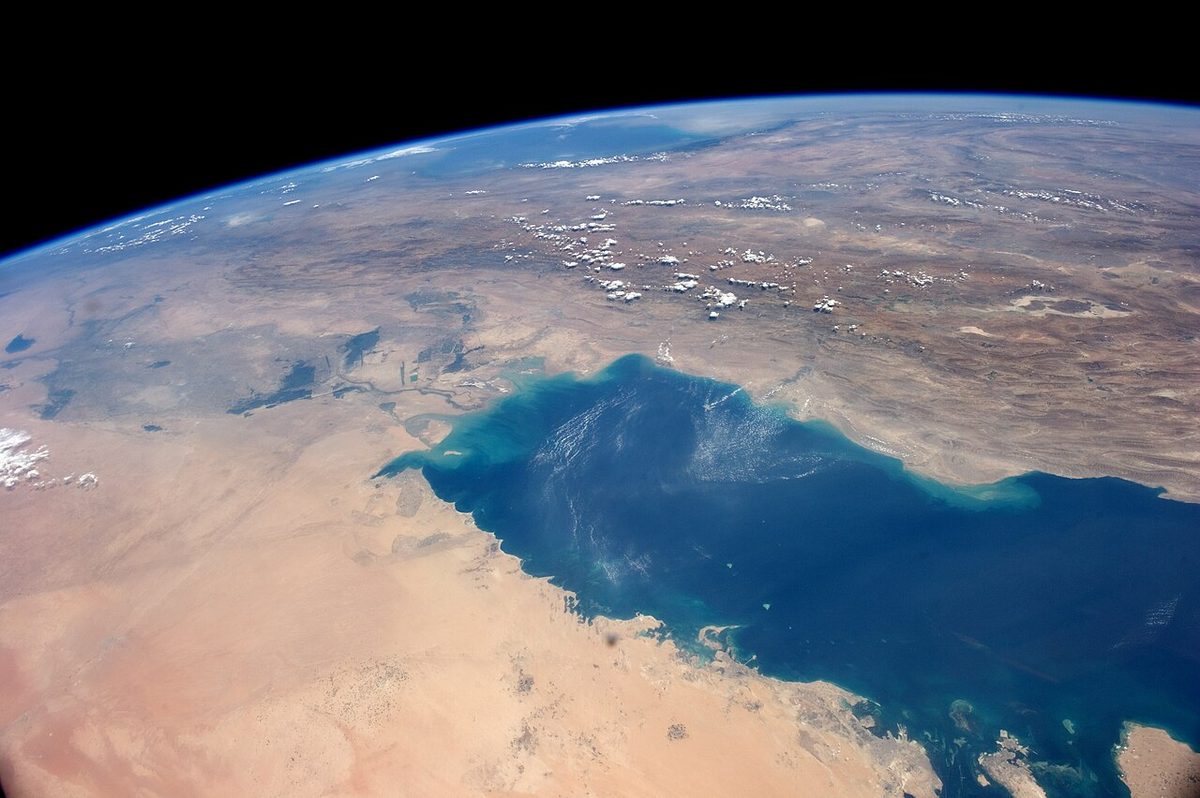
Who/what: CENTCOM (U.S. Central Command) is the U.S. military's unified command responsible for operations in the Middle East, Central Asia, and East Africa; Admiral Brad Cooper is its commander. Task Force Iron Gate is an approximately 20-person unit stationed in Tampa. The separate mention of the Caspian Sea stems from geography: the world's largest enclosed body of water has coastlines only with Russia, Iran, Kazakhstan, Azerbaijan, and Turkmenistan; according to the Middle East Forum, this closure creates a sanctions loophole that cannot be addressed through outside naval power and requires land and port-based enforcement.
By the numbers: According to CENTCOM, the Iron Gate task force will operate in Tampa with approximately 20 military and civilian personnel (Iran International, November 7, 2026). According to JNS's June 2, 2026 report, by that date CENTCOM had redirected 121 vessels and disabled 5.
Turkey dimension: Iran's land borders are with Turkey, Iraq, Pakistan, Afghanistan, Azerbaijan, Armenia, and Turkmenistan. Iran International illustrated its report with an image of the Iran-Turkey border crossing at Bazargan, but the text did not specify which borders will be targeted; therefore, whether Turkey's border will be specifically included could not be verified at this time. It was previously reported that Iran and Turkey decided to keep their joint customs gates open 24 hours (details); how a possible land blockade would align with this decision remains unclear.