Behruz Jannat, Secretary of Passive Defense at Iran's Food and Drug Organization, emphasized the necessity of preparedness against chemical, biological, radiological, and nuclear (CBRN) threats, and stated that pharmaceutical and antidote procurement to counter these threats must be grounded in scientific need analysis, precise determination of the threat type, and clear institutional responsibility. According to reporting from Khabaronline, which also cited IRNA, Jannat stressed that purchases made without technical review and exposure scenario assessment are not an appropriate method for emergency preparedness.
According to Jannat, crisis preparation should not wait until an incident or threat occurs; the organization must plan for the continuity of vital processes even during normal times. He said that senior managers must identify key processes within their areas of responsibility and take measures to ensure those processes can continue during emergencies; no vital process should depend on a single person, and at least two people must be fully informed of every process's details. Regarding backup laboratories, he said that specialized senior management offices should identify backup labs in at least three geographic locations—Tehram, a suitable distance from Tehran, and a location in the country's east—in case the main laboratory becomes non-operational, and this mechanism must be supported by official and legal documentation.
Regarding pharmaceutical and antidote procurement, Jannat said that reliable scientific sources must be used to definitively identify required items before any order or purchase; technical review, determination of required quantities, and clarity on the procuring institution are essential—purchases made without these elements could result in unnecessary procurement and wasted spending. If domestic procurement is not possible, available foreign sources should be evaluated; if those are limited, the capacity of organizations with experience in this field should be utilized. He noted that necessary correspondence has been conducted to include a special line item or budget allocation in the 2025-26 budget, and that this requires precise determination of item numbers, required quantities, cost estimates, and procurement sources.
Jannat also addressed responsibility-sharing: the general public's needs should be monitored by relevant authorities based on expert estimates, while institutions such as military commands and the Atomic Energy Organization should procure their own special items through their own designated channels and mechanisms—thus general public health procurement and institutional/military supply lines should not be mixed.
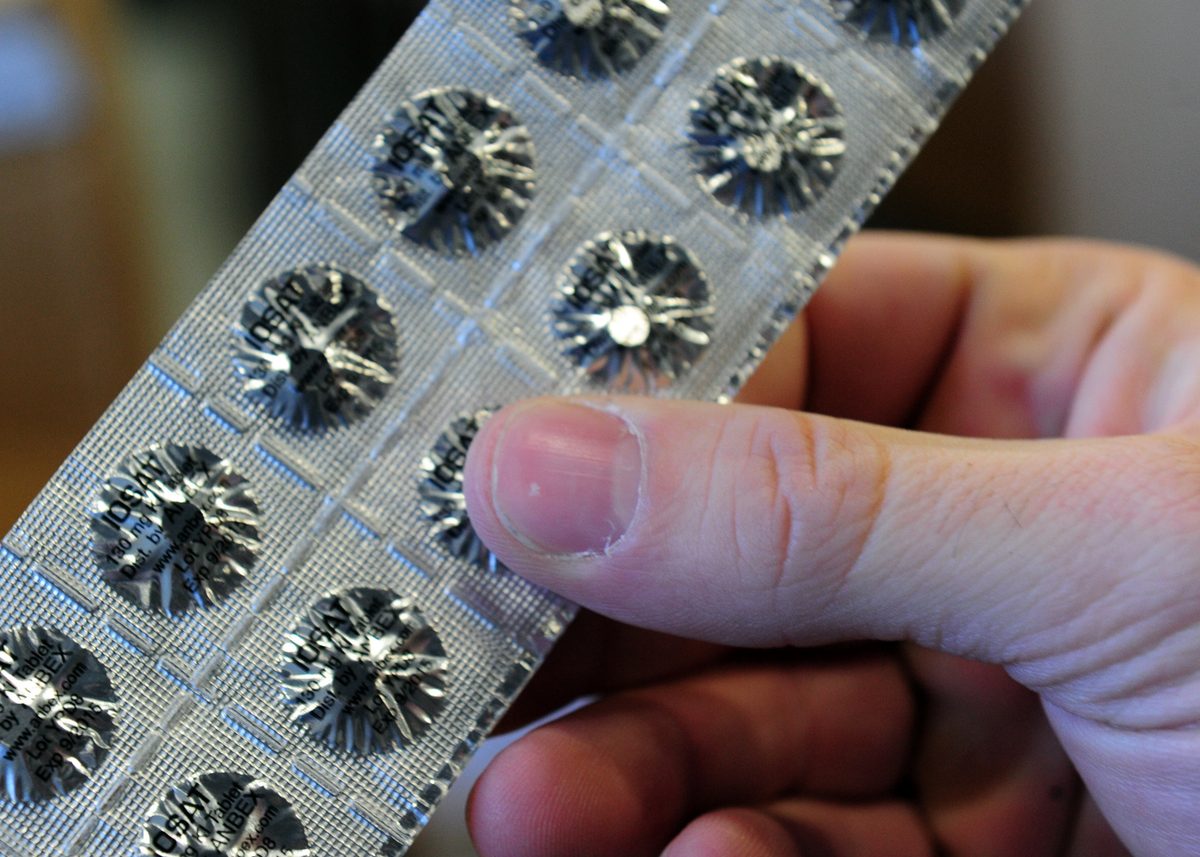
Jannat noted that the purpose of procuring these items is not only to protect organization personnel or military forces; in cases of chemical or radiological incidents at petrochemical facilities, nearby residents could also be at risk, so community health must also be considered. He emphasized that potassium iodide and Prussian blue have specific applications; these pharmaceuticals cannot be widely procured without first determining the type of chemical or radioactive material and the exposure scenario. Prussian blue is used to treat internal contamination from radioactive substances like cesium; potassium iodide is used in specific circumstances for radioactive iodine exposure. Noting that different figures have circulated regarding potassium iodide needs, he said that the quantity disclosed by the relevant authority at the Health Ministry has been procured, and demands from outside that authority do not constitute procurement justification.
Context
Background:
- Before June 2025: According to Iran International reporting, health authorities prioritized settlements closest to the Bushehr Nuclear Power Plant and distributed approximately 180,000 potassium iodide tablets; this distribution was reported to have begun before the 12-day conflict.
- November 7, 2026: According to Turkey Today and other international media, Iran again distributed iodine tablets in settlements near the facility known as "Pickaxe Mountain"; Iranian officials characterized this as part of an ongoing civil defense program, not a response to anticipated U.S. strikes.
- Same period: The World Health Organization announced it was distributing emergency supplies to the Middle East in preparation for possible nuclear or chemical attacks (Yahoo News/DPA).
- November 7, 2026: Iran's Health Ministry had denied a Times report claiming iodine tablets were distributed near a nuclear facility (details).
Key concepts: Potassium iodide (potassium iodide) is a pharmaceutical that protects the thyroid against radioactive iodine only; it provides no protection against other forms of radiation. Prussian blue (Prussian blue) is an antidote used to accelerate the body's elimination of certain radioactive materials like cesium-137. CBRN is the English acronym for Chemical, Biological, Radiological, and Nuclear threats.
By the numbers:
- The number of potassium iodide tablets distributed around Bushehr before June 2025 was reported as approximately 180,000 (Iran International, 2026).
- According to Jannat's statement, the quantity used for potassium iodide procurement was limited to the official figure declared by the relevant authority at the Health Ministry; no figure based on requests from outside that authority was provided; this detail remains unconfirmed.
What's next: According to Jannat's report, correspondence is ongoing to include a special line item or budget allocation for CBRN pharmaceuticals and antidotes in the 2025-26 budget; whether this line item will be finalized and which facilities will be included remains to be announced. Whether backup laboratories have been formally designated at the two locations outside Tehran and when these decisions will take effect are also issues to be monitored.