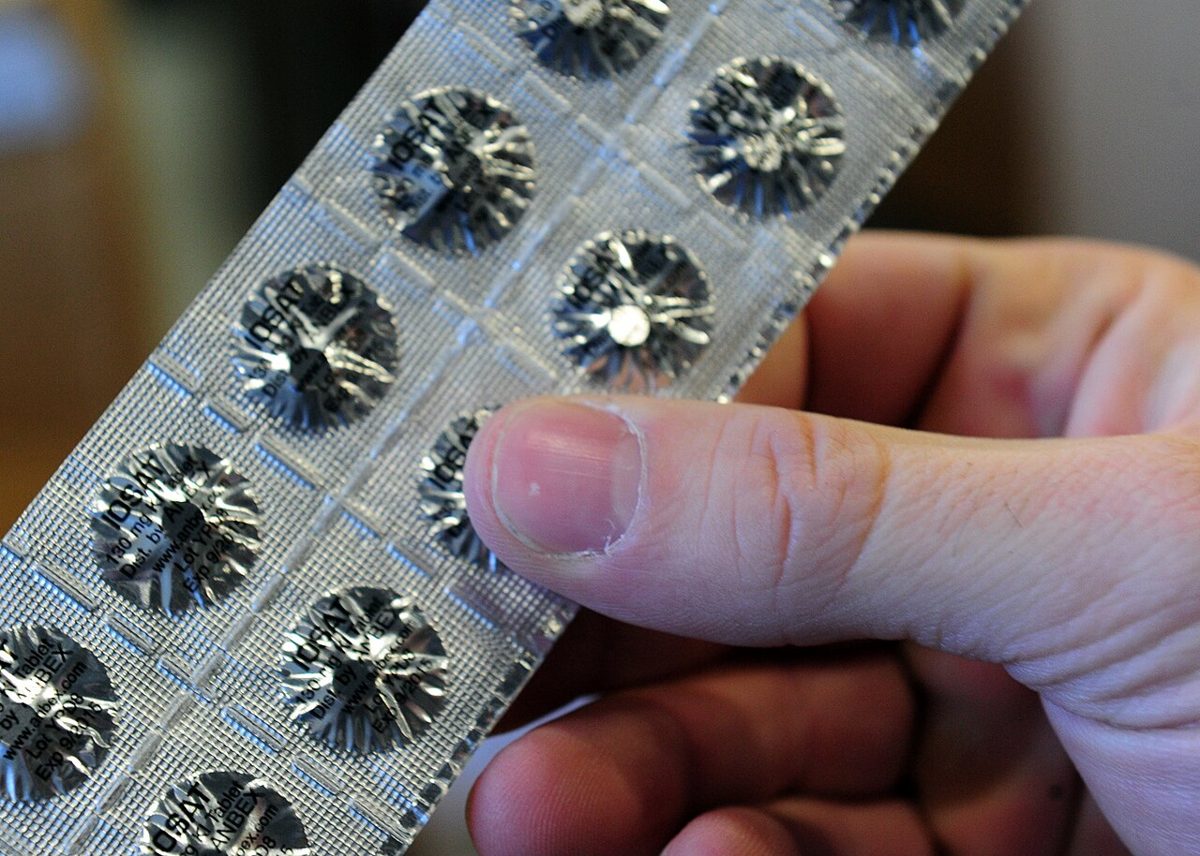
According to Khabaronline's report from Mehr, Iran's Health Ministry Public Relations Director Hossein Kermanpur denied the British newspaper The Times's claim that potassium iodide tablets were distributed to residents near sensitive nuclear facilities. Kermanpur stated that no Health Ministry official granted an interview to The Times.
In a social media statement, Kermanpur said: "No official from the Health Ministry has given an interview to The Times and any quotation attributed to this ministry is false." He added: "The health system stands ready for different scenarios against enemy threats that spare no one; however, declaring a state of war is not within the Health Ministry's authority, and spreading unconfirmed news under such conditions is irresponsible." According to Hamshahri's report, the ministry repeated the same denial but provided no details about the content of The Times's original story. Donya-ye Eqtesad framed its coverage as "Is the Times claim accurate?" creating a questioning frame around the claim.
The full text of The Times's original report was not accessible when this article was prepared; whether the claim has been independently verified by English-language sources remains unconfirmed. What is known is that iodine tablet distribution near Bushehr, Iran's only nuclear power plant, is not a new practice: according to official sources, 180,000 iodine tablets were distributed to residents in the region in April, and the program's origins predate even the 12-day war from mid-last year.
How the Persian press covered it
| Source (orientation) | Headline / framing |
|---|---|
| Khabaronline (Moderate conservative) | Highlights the ministry's denial, using the emphasis "no one gave an interview" to present the claim as entirely baseless. |
| Hamshahri (Tehran municipality, principlist) | Reports the denial but does not engage with the substance of The Times's claim. |
| Donya-ye Eqtesad (Economic daily, technocratic) | Opens with the question "Is the claim true?" presenting the issue in a questioning, neutral frame. |
Context
Potassium iodide tablet distribution near a nuclear facility is a standard public health precaution against radiation leakage or attack risk; the World Health Organization has issued guidelines for using potassium iodide tablets in nuclear emergencies. After U.S. and Israeli strikes on Iran's nuclear facilities during the 12-day war, demand for iodine tablets in the Middle East rose, with reports of civilians stockpiling them independently in some countries. The central uncertainty in this story is the concrete content of The Times's claim: it remains unclear which areas, when, and by whom the distribution supposedly took place; these details have not been verified. The Health Ministry's denial also leaves ambiguous whether the entire claim or only the attribution of an official interview is false.
Kermanpur's phrase about "enemy threats that spare no one" continues official wartime rhetoric and conveys the message that the ministry is prepared; however, this language neither confirms nor denies the existence of a distribution plan. Iranian officials typically address civil defense measures near nuclear facilities using general security language rather than direct statements, creating a pattern that complicates verification of foreign press claims. Similar ambiguity appears in other post-war reports about Iran's nuclear facilities (details); IAEA Director General Rafael Grossi's warnings about military operations near nuclear sites were likewise discussed on similar grounds of unverifiability.