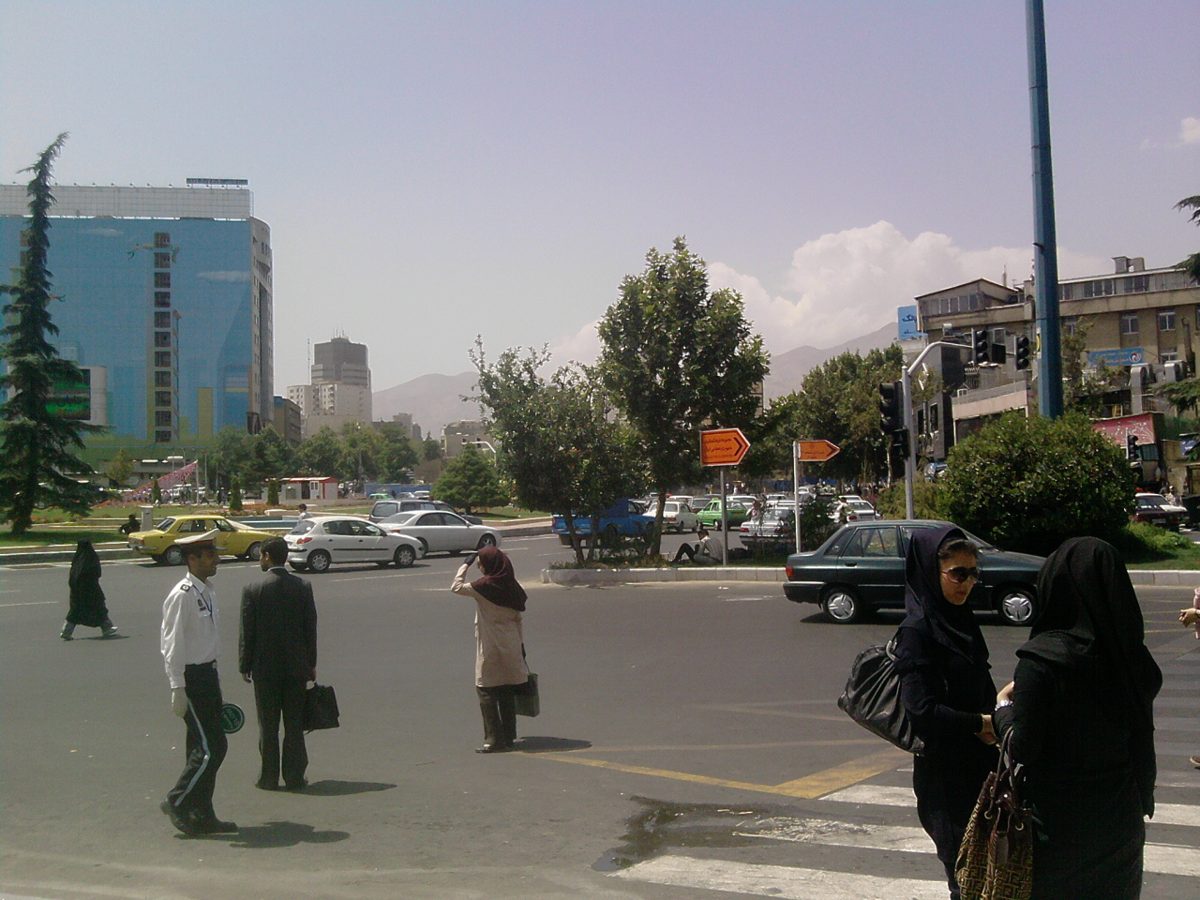
Tehran's education director announced that 355 property deeds were acquired last year for state school educational areas, and that 10 of these properties are being prepared for sale (asset monetization). According to ISNA, the official said these sales could provide needed resources for an "accelerated school construction push"; it is estimated that the sale of an education property in the Vanak Square area alone could finance construction of between 60 and 70 new schools.
According to ISNA's report, the directorate plans to expand school capacity in response to rising student numbers by converting unused or unneeded properties to cash. The method aims to accelerate new school construction from revenue generated by property sales rather than waiting for direct budget allocation. The report did not provide a specific date for which 10 properties would be put up for sale or when the sales would complete.
This move coincided with a parallel week's discussion of chronic infrastructure imbalance in Iran's education system. In a separate Kayhan report, it was noted that 400 schools nationwide have only one student each; this points to simultaneous rural and small-settlement schooling problems alongside crowded classrooms in large cities. ISNA's report did not directly cite this contrast, but Tehran's property sales plan can be read as an example of efforts to increase school capacity in large cities.
According to the official in ISNA's report, the 355 property deeds acquired last year were part of the directorate's effort to regularize ownership status of educational properties; this process resulted in an inventory clarifying which properties would continue serving education and which could be sold. According to the report, the directorate plans to dedicate all revenue from sales to new school construction, thereby accelerating capacity growth without awaiting additional resources from the central budget.
The official said this method is not new, but that sale of major properties in valuable areas like Vanak would, for the first time, provide resources for such a large-scale school construction program. According to ISNA, the directorate stated that the sales process would proceed through transparent bidding procedures and funds would be directly transferred to the "school construction campaign" budget, preventing diversion to other line items. The measure also aims to reduce students per classroom in some rapidly growing neighborhoods of Tehran.
Context
In Iran, municipalities and public institutions have increasingly resorted to selling unused land and buildings to finance infrastructure projects amid limited budget capacity; the practice is called "müldsazi" (asset monetization/productive deployment) in Persian and is used by both municipalities and public institutions like education and health. Sale of educational properties in Tehran's central and valuable districts can generate significant revenue due to high real-estate prices, but critics argue such sales permanently reduce the city's limited stock of public land and may create long-term problems. The issue is part of a broader education-policy agenda related to recent debates over home-schooling centers in Iran (related story). While some rural schools nationwide have only one student on the rolls, crowding in large cities like Tehran remains a separate line of continuing discussion, highlighting imbalanced distribution of educational resources between regions.
This news is a translation from Persian with AI assistance. Responsibility for the content rests with the reporting outlet.