According to Iran International, drawing on statistical reporting published by reformist Shargh newspaper on Wednesday, at least 38 women and children were killed in 28 femicide cases in Iran over two months; 8 of these cases occurred in August and 20 in September (Shahrivar and Mehr in the Persian calendar). Shargh emphasized that its reported figures cover only cases that reached the media and that the actual number of victims could be higher.
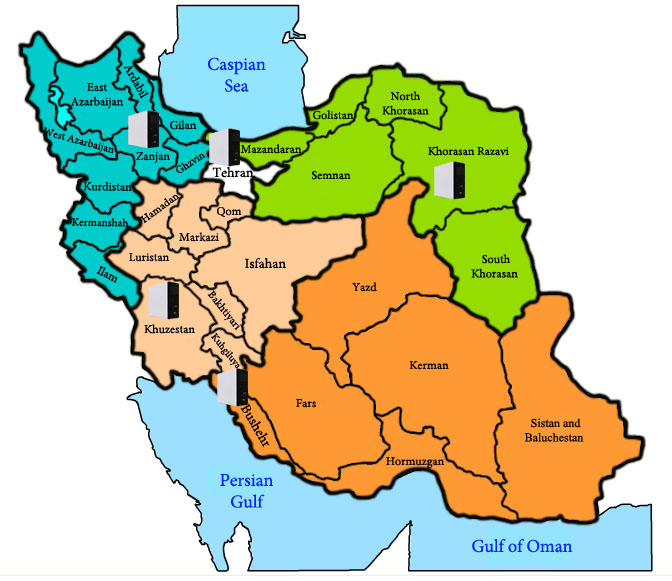
According to the newspaper, these murders occurred in 17 provinces including East and West Azerbaijan, Alborz, Isfahan, Ilam, Tehran, North and Razavi Khorasan, Semnan, Sistan and Baluchistan, Fars, Kurdistan, Kerman, Kermanshah, Gilan, Mazandaran, and Hormozgan. Divorce or separation requests, family disputes, repeated violence, control motivated by notions of "honor," and controlling attitudes toward women's own life decisions (including marriage) were cited as prominent factors in the cases. According to Shargh's review, in some cases children were killed alongside their mothers or during violence targeting another family member; eight children died in this manner. In four cases, murder occurred following a woman's request for divorce; in five cases, prior history of family dispute or repeated violence was reported. In approximately half the cases, the motivation for the murder was not explained.
How the Persian press covered it
| Source (orientation) | Headline / framing |
|---|---|
| Shargh (reformist) | Two-month statistical analysis covering 17 provinces; includes a warning that unreported cases may fall outside the count. |
| Javan (hardline, IRGC-affiliated) | Focused on Mehr month (September-October) alone, reporting 31 deaths in 8 family murder cases; called for examination of social and psychological factors. |
| Rokna (news site) | Reported at least 15 women and girls killed in different cities since the start of the month, listing financial disputes and suspicion among the contributing factors. |
The three sources cover different time periods and criteria, so figures cannot be directly compared; this difference is clearly stated in the coverage.
Social work expert Leili Ershed drew attention to the high number of femicides in the past two months and called for greater attention to these murders from the media, judiciary, and state television. Ershed argued for strengthening deterrent laws, ensuring women's and children's safety, and training teachers, social workers, and police to recognize signs of violence early; she warned that limitations on sentencing in cases where fathers or paternal grandfathers kill children could undermine deterrence. Lawyer Fatemeh Babaian noted that repeated death threats, confinement in the home, and severed family ties are indicators of escalating violence and proposed that people at risk agree on a code word with trusted relatives to call for help in times of danger. Karegar platform director Hamed Bidi announced that 26 campaigns on femicide and a total of 63 related campaigns on domestic violence, infanticide, and acid attacks had gathered more than 360,000 signatures.
Context
Iran does not publish official and comprehensive statistics on domestic murders; therefore, newspapers and civil society organizations such as Human Rights Watch compile their own counts based on cases that appear in the media, and these figures can vary. Women's rights organizations frequently emphasize that the actual numbers may be higher than these compilations due to cases that are not recorded or are classified as "accidents" or "suicide."