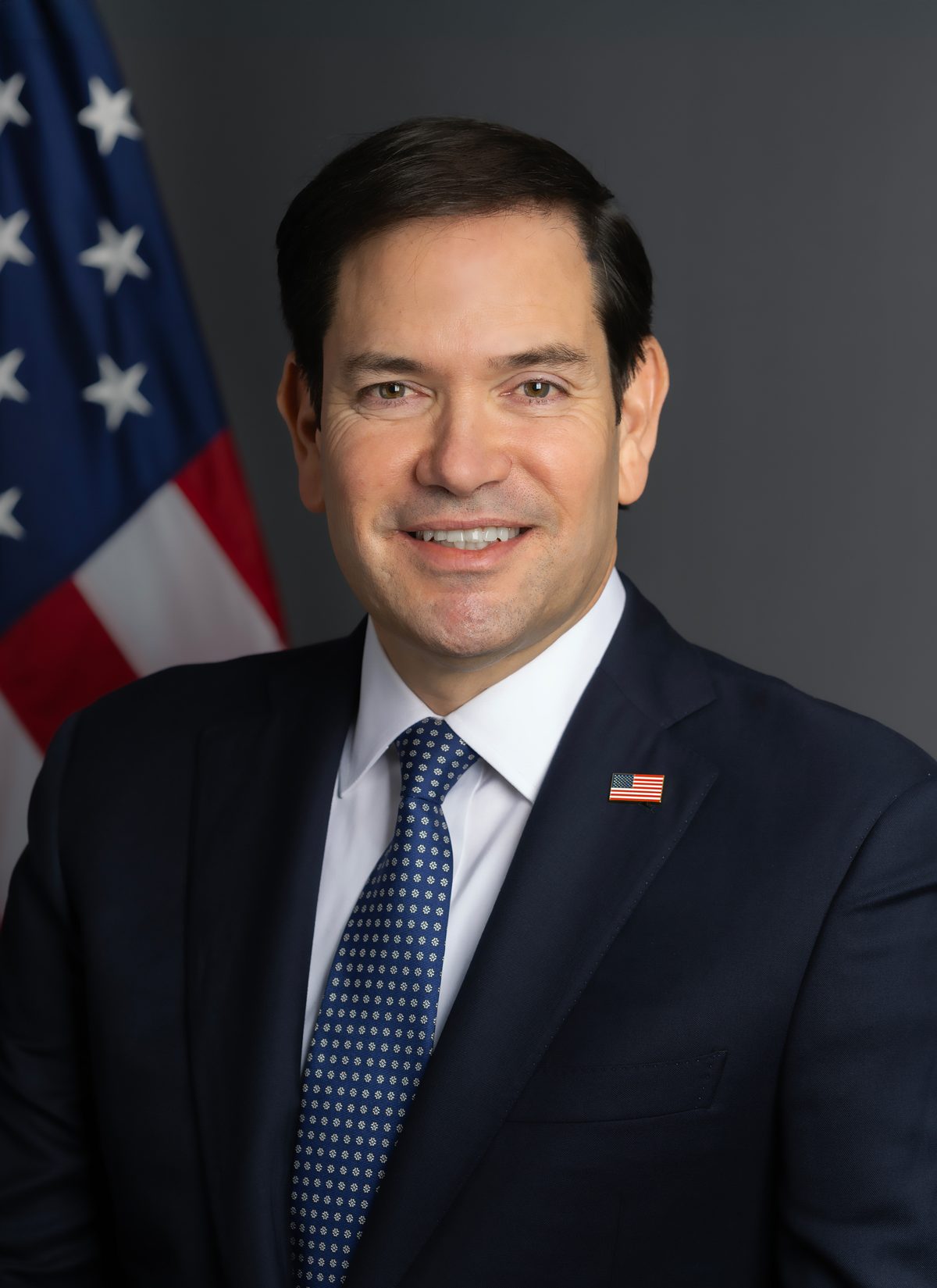
According to Iran International, US Secretary of State Marco Rubio said to reporters on Sunday, before departing for France, that negotiations with Iran show no progress. The same day, the White House announced that President Donald Trump will host Qatar's Prime Minister Muhammad bin Abdulrahman Al Thani today (Monday) at the White House, with discussions expected to focus on regional developments and US-Iran tensions.
According to Iran International, before departing for France to attend the G7 Foreign Ministers meeting, Rubio told reporters that some countries remain in contact with Iran's government and are relaying proposals, but negotiations are not on the verge of resuming. Rubio said President Trump prefers a diplomatic solution and would evaluate any opportunity that arises, but he described Iran's government's demands as a "serious obstacle" to any possible agreement, and characterized some of those demands as "wildly ambitious, ridiculous, and divorced from reality." In response to a question about possible new strikes, Rubio said: "If there is a clear and imminent threat to our forces in the region or to maritime shipping, we have the right to defend ourselves," adding that Washington's decision would depend on the seriousness of the threat and whether Iran was planning or intending to take action against the US.
According to Iran International, citing Reuters correspondent Barak Ravid, Trump's phone call with Israeli Prime Minister Benjamin Netanyahu included Rubio, Jared Kushner, and Trump's special envoy Steve Witkoff, the call was initiated by Netanyahu, and described as "constructive," with the parties discussing the Iran war and Gaza ceasefire plans. The same report cited Israel's Channel 13, stating that CENTCOM Commander Admiral Brad Cooper told Israeli military leaders that he supports renewed strikes on Iran, believing that a third wave of attacks—including bridges, power plants, and economic infrastructure—could change Tehran's stance; this assessment was said to have been shared with senior US officials, though CENTCOM has not issued independent verification of this information.
According to Khabaronline, Iran's Foreign Minister Seyyid Abbas Araghchi told the state Broadcasting Corporation (IRIB) that the US midterm election results had a "shock effect" on mediators' movements: "For the past few days there have been no comings and goings, and the fundamental reason is the US election results that shocked everyone. It will take time for the environment to calm down again and for conditions to become suitable for mediators' movements. We need to wait a little." Araghchi also said that Washington would need time to "digest" these results and that the process would show how it proceeds afterward; this statement tied Tehran's negotiation hesitation directly to US domestic politics. According to IRNA and Donya-ye Eghtesad, Qatar's Emir Tamim bin Hamad Al Thani and Trump held a phone call before today's visit by Qatar's Prime Minister; according to the Qatar Emirate Divan's statement, this call addressed diplomatic efforts to reduce regional tensions, and the Emir emphasized the importance of dialogue and diplomacy, as well as the need to maintain freedom of navigation at sea and security of energy supply chains in the region. Neither IRNA nor Donya-ye Eghtesad specified the exact date or duration of the phone call; information was limited to the Qatar Emirate Divan's official statement.
How the Persian press covered it
Both opposition and state/semi-official sources covered the event, but the frame differed markedly. Iran International highlighted Rubio's harsh language characterizing Iran's demands as "wildly ambitious, ridiculous, and divorced from reality" and the threat of possible new strikes. In contrast, reports from IRNA, ISNA, Donya-ye Eghtesad, and Khabaronline did not include Rubio's harsh statements; instead, these sources emphasized Qatar's Prime Minister's Washington visit, the Emir's call for diplomacy, and Araghchi's measured statement of "we need to wait a little." In other words, Iranian state and semi-official media framed the progress of talks more through Qatar's mediation efforts and calm patience, while the opposition source emphasized the US side's hardening rhetoric and that military options remain on the table.
Context
Background:
- September 12, 2025: After Israel's strike on Doha, Trump hosted Qatar's Prime Minister in Washington and emphasized the need to continue negotiations with Iran (Axios, September 12, 2025).
- March 27, 2026: Rubio participated in the first G7 Foreign Ministers meeting in France following the start of the US-Israel attack on Iran, attempting to convince allies of Washington's Iran strategy.
- June 2, 2026: Rubio proposed the reopening of the Strait of Hormuz as a precondition for negotiations with Iran in a Senate statement.
- November 6, 2026: Reports on possible new US strikes on Iran highlighted Qatar's mediation efforts (details).
- November 3, 2026: JD Vance claimed there was "progress" in Iran negotiations before the US midterm elections (details).
- November 9, 2026: Turkey's intelligence chief Kalın said Vance and Rezai would meet in Qatar; Tehran denied the claim (details).
Who they are / concept: Marco Rubio, US Secretary of State; represents the Trump administration's hardline on Iran policy. Qatar plays a recurring role in the region as a mediator/host between the US and Iran; Doha also hosted Hamas-Israel ceasefire negotiations.
By the numbers:
- According to Italy's Ministry of Foreign Affairs official statement, the G7 Foreign Ministers meeting is taking place on November 9-10, 2026; Iran International reported that Rubio departed for France on Sunday to attend (Italy Ministry of Foreign Affairs, October 2026 statement).
- Rubio's demand for the Strait of Hormuz's opening as a precondition for negotiations with Iran, made in his June 2, 2026 Senate statement, remained unmet as of five months later when this report was filed.
- The G7 Foreign Ministers meeting in France represents, following Rubio's previous meeting on March 27, 2026, the second official G7 foreign ministers gathering in approximately 7.5 months since the war began in February 2026.
What's next: Trump's discussion with Qatar's Prime Minister today in Washington and Rubio's contacts at the G7 Foreign Ministers meeting are the nearest announced diplomatic calendar items; no statement has been made about the outcome of these meetings or a new negotiation date.
For information only; not investment advice.
The presumption of innocence applies.