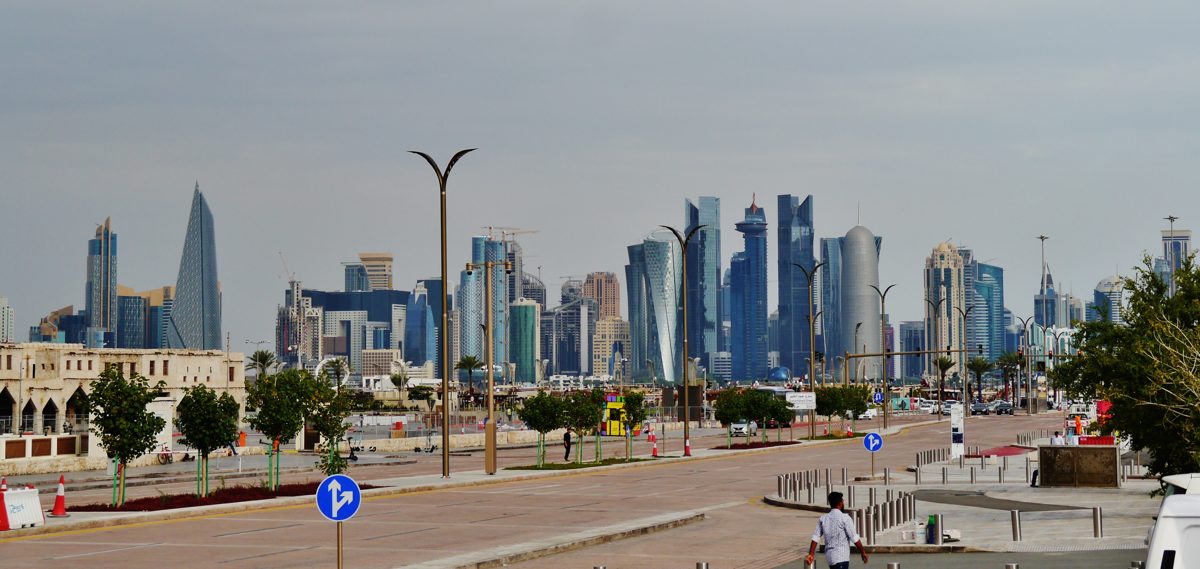
Qatar's Foreign Ministry spokesman Majid al-Ansari told Donya-ye Eghtesad, according to reports, that approximately $6 billion in Iranian funds held in Qatar under the 2023 humanitarian channel agreement are considered "one of the key incentive mechanisms" in the negotiation process between the sides and a means of building mutual confidence. Al-Ansari's statement came in response to speculation about military activity and security concerns in the region.
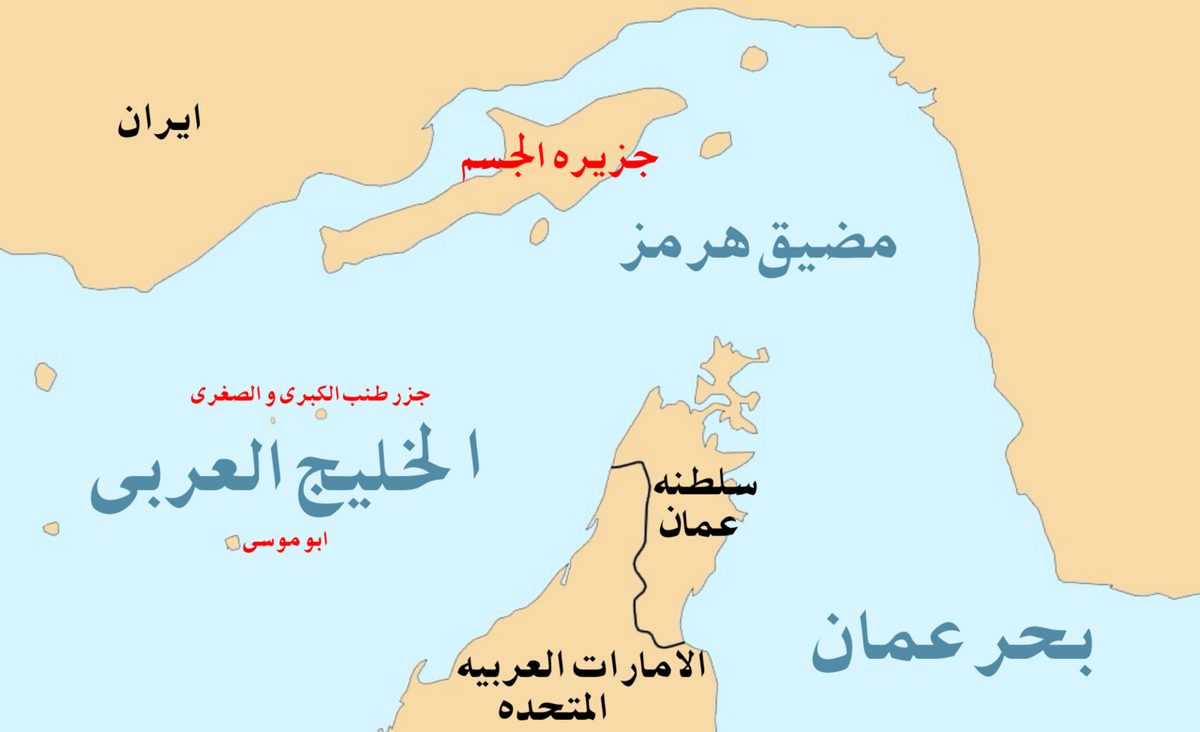
Al-Ansari also denied claims that Al Udeid Air Base had ever been used for any action or attack against Iran. Stressing that Gulf states prefer diplomacy while maintaining full capacity to defend their interests, the spokesman said Iran submitted a proposal on managing Strait of Hormuz security through intermediaries to the U.S. side, but Washington's insistence on including the nuclear file and additional demands blocked the proposal. Al-Ansari said any solution to regional crises must rest on regional consensus, and Qatar is now focused on removing technical barriers and managing field variables to advance diplomacy. He repeated that such leverage is used to strengthen trust between sides and advance talks.
According to New Arab's English-language report, the funds were actually frozen in South Korea and transferred to Doha accounts in 2023; under the agreement, the money is to be used for purchases of humanitarian goods like food, medicine, and medical supplies, with Iran's Central Bank ordering and Qatar approving use. The exact transfer arrangements and immediate availability of funds have been disputed.
How the Persian press covered it
Donya-ye Eghtesad reported al-Ansari's statement with detail on the Al Udeid denial and the Strait of Hormuz proposal blocked by U.S. insistence; Hamshahri, aligned with Tehran municipality, focused narrowly on the frozen funds and trust-building aspect, omitting al-Ansari's direct criticism of the U.S. obstruction.
Context
Confirmation of the $6 billion figure validates one of Iran's negotiating assets in indirect talks with the U.S. Earlier reports indicated some of Washington's conditions had been accepted (The U.S. accepted some of Iran's seven conditions; Rezaei found the response insufficient), and Garib-Abadi announced Iran had completed its response (Garib-Abadi: Iran completes response to U.S.; wartime readiness is no substitute for talks). Al-Ansari's statement marks the first time the outline is discussed this openly: Iran's Strait proposal was transmitted through intermediaries but stalled over the nuclear file—suggesting negotiations are at a more complex stage than official tone suggests.
The funds' history is also complex: per New Arab, these revenues from Iran's oil sales were initially frozen in South Korea, then moved to Doha accounts under the 2023 prisoner-exchange framework. Pezezhkian's earlier remarks implying quick use contradicted Qatar's "no funds have been released yet" statement, a discrepancy unresolved since. The mechanism requires Qatar to approve humanitarian purchases (food, medicine, supplies) that Iran's Central Bank orders; the money does not pass directly to Iran but only for approved transactions.
Al-Ansari's disclosure that frozen funds serve as active negotiating leverage—not merely humanitarian—is significant as the first such open acknowledgment. Qatar's mediator role maintaining open channels to both Iran and the U.S. has served similar functions in other regional crises (prisoner exchanges, Hormuz tensions).
Meanwhile, even the count of attacks in the strait is disputed among sources: TASS reported 22 ships hit in 13 days, while the UK's UKMTO logged 12 in the same window (Attack count disputes: TASS said 22 ships in 13 days; UK center logged 12)—uncertainty that helps explain why al-Ansari's security-management proposal carries urgency.