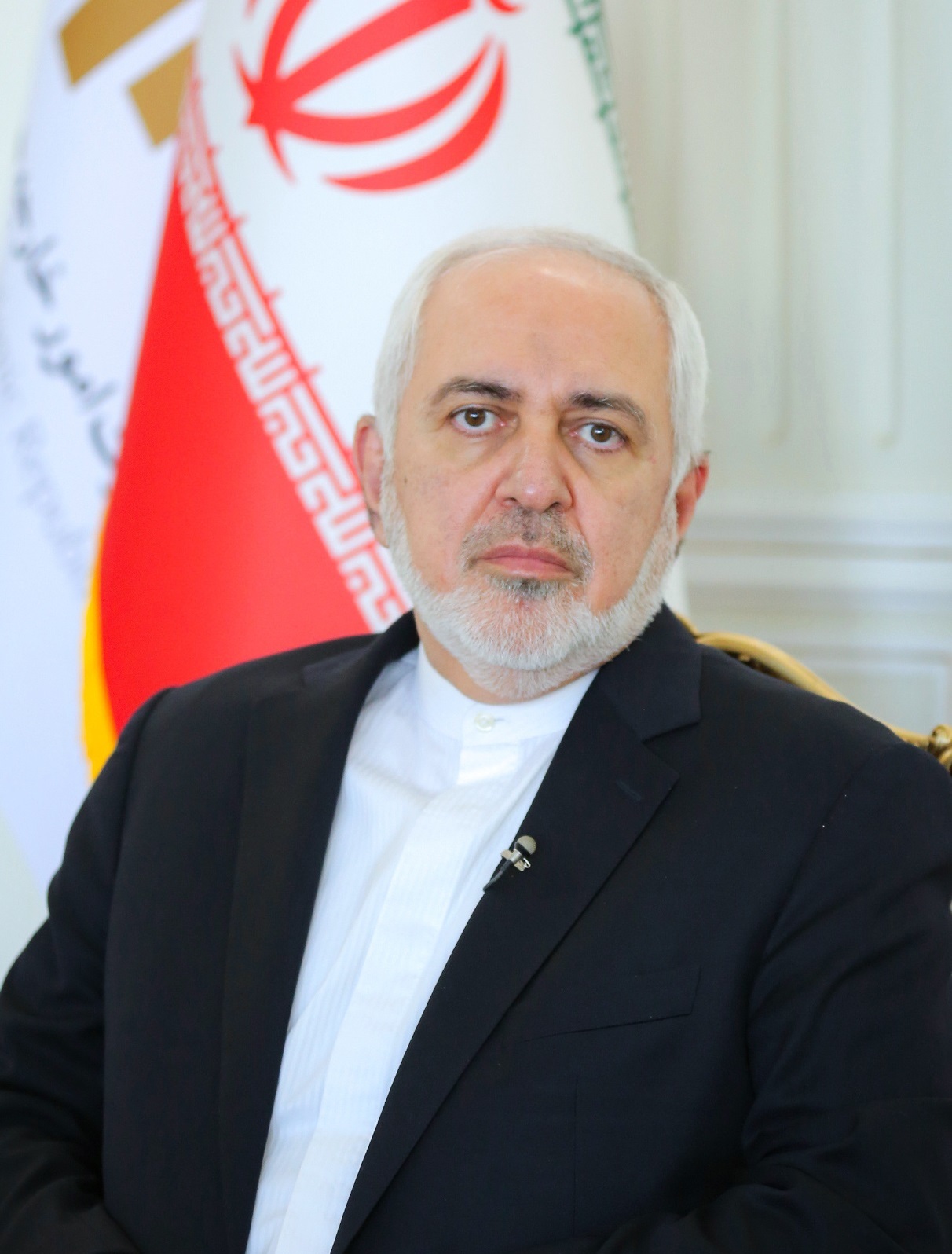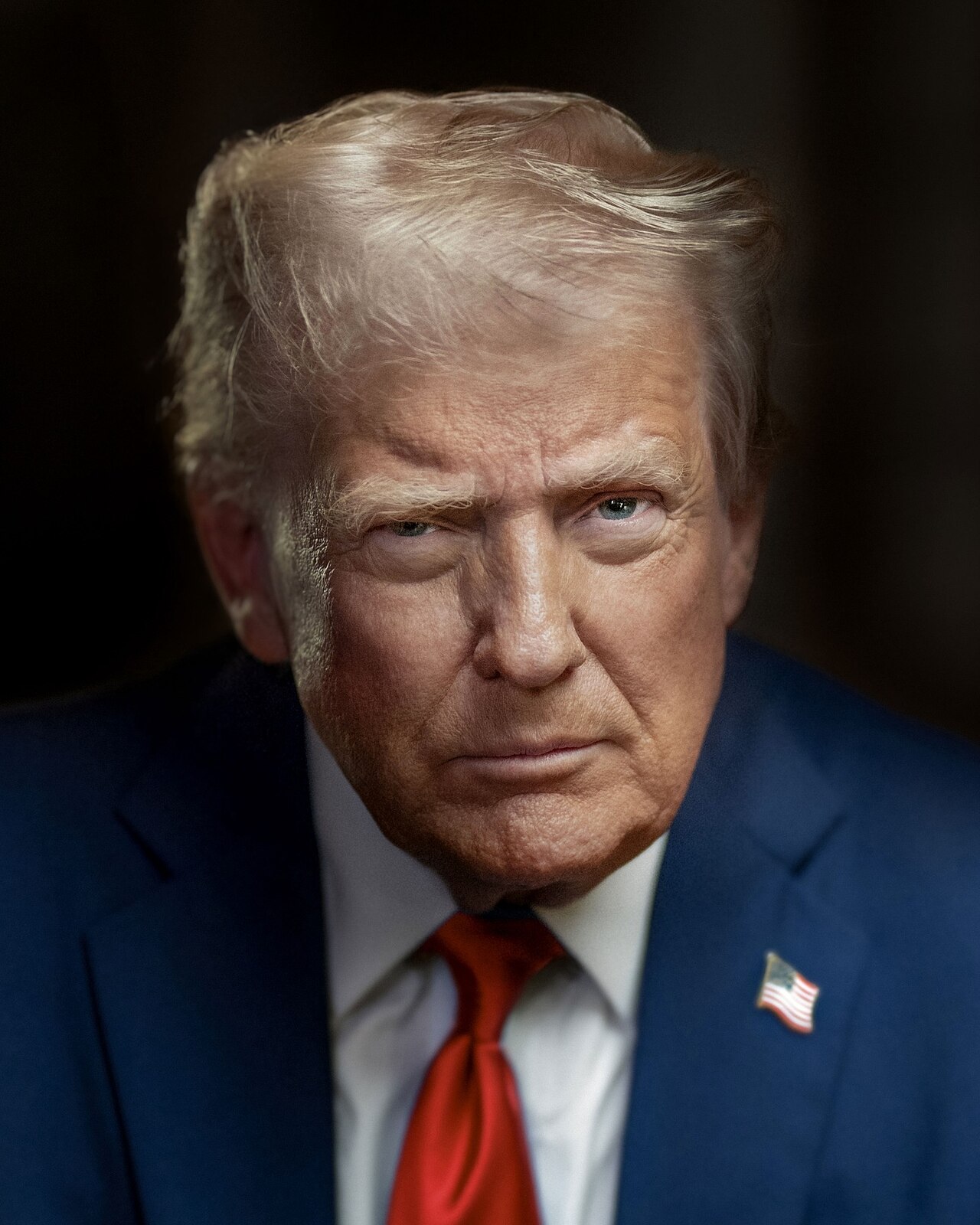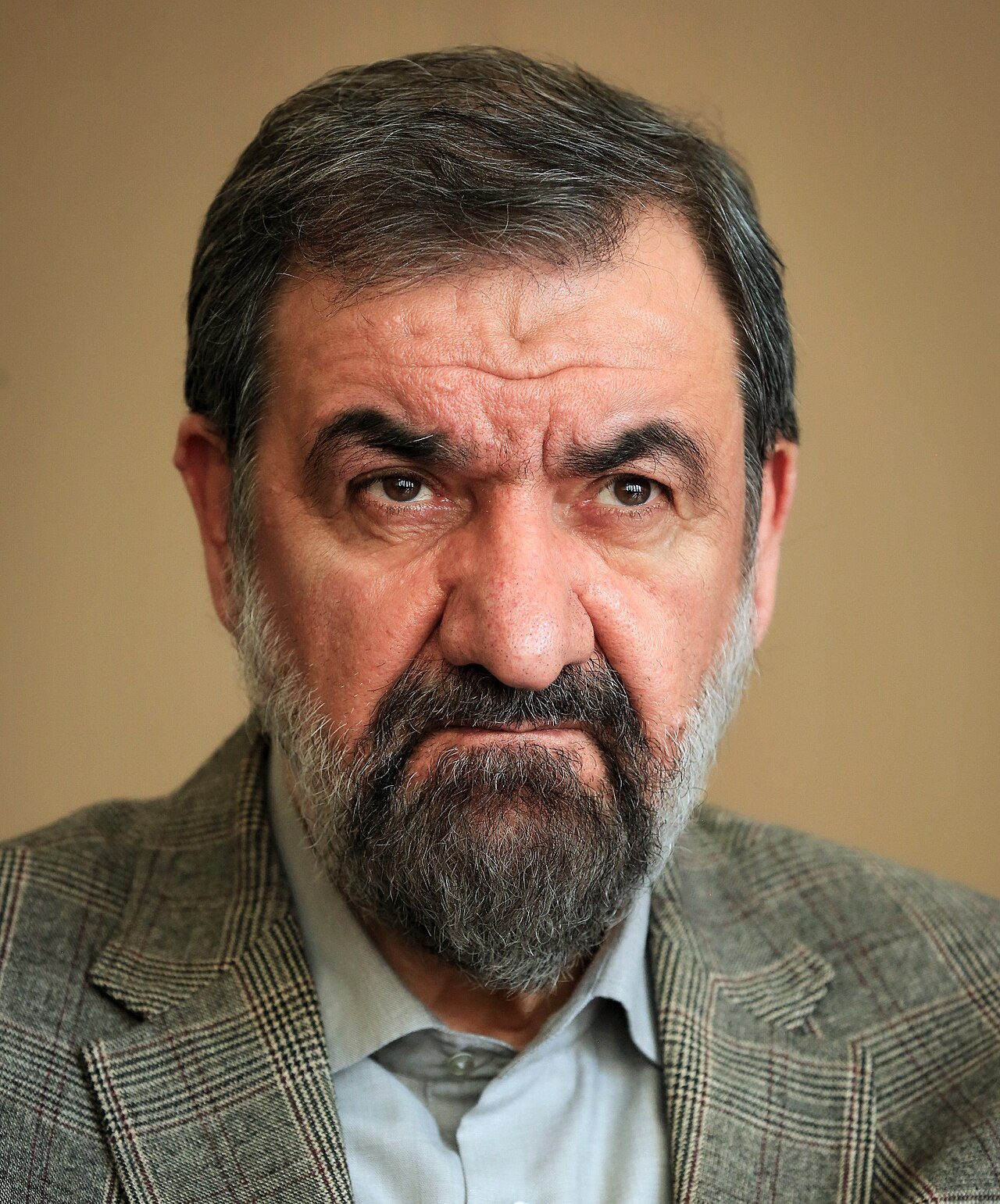
Iran's Supreme National Security Council Secretary Major General Mohsen Rezaei said the United States has accepted some of the seven conditions Iran conveyed through Qatar in September, but that Tehran finds the U.S. response inadequate. According to Hamshahri's report, Rezaei posted on X (formerly Twitter) that "Iran's diplomacy will not return to the past."
Rezaei's statement read: "America accepted some of Iran's seven conditions, but we find this country's response insufficient. Iran's diplomacy has changed and will not revert to its former position." Hamshahri characterized the statement as a "shock to the White House's calculations"; Khabaronline and Donya-ye Eghtesad carried the same post with different emphases.
According to Gulf News reporting from September, Rezaei had delivered the seven conditions to Washington through Qatar on September 19-20 and had publicly disclosed three of them: an end to conflict on all fronts, release of frozen Iranian assets, and removal of the U.S. sea blockade. The remaining four conditions were not disclosed at that time and remain undetailed today. Rezaei warned that if Washington rejected the conditions, Iran would be prepared for a "determined war"; following that statement, President Trump reportedly shortened his Camp David vacation and returned to the White House. Qatar and Pakistan were said to be attempting to re-establish talks between Tehran and Washington following a memorandum of understanding that had expired the previous month.
How the Persian press covered it
| Source (orientation) | Headline / framing |
|---|---|
| Hamshahri (Tehran municipality, principlist) | Framed it as a "shock to the White House calculations," emphasizing the rejection. |
| Khabaronline (Moderate conservative, Larijani circle) | Brought the U.S. partial acceptance into the headline. |
| Donya-ye Eghtesad (Economic daily, technocratic) | Focused on the emphasis that "diplomacy has changed." |
| IRNA (State news agency) | Carried only the quote "we find the response insufficient." |
Context
Rezaei had conveyed these seven conditions to Washington in mid-September with a warning that Iran was prepared for a "determined war," and an official U.S. response had been expected; it was then reported that President Trump had shortened his Camp David vacation. For another development on Iran's negotiation conditions, see the Vance: Iran must reduce uranium enrichment capacity to end war report. Today's statement shows the U.S. responding to some of the conditions after months of silence; however, the full content of the response and which items were accepted remain unconfirmed by independent sources and are based only on Rezaei's own post. This development coincides with earlier reports of the Pentagon wanting to keep possible strike options against Iran ready ahead of midterm elections; both diplomatic and military options appear to be simultaneously on the table. Rezaei's position as Secretary of the Supreme National Security Council gives him direct say in Iran's war and peace decisions; his statements therefore read as a stronger signal than the government's official position. In a separate statement the same day, Rezaei also said the outcome of this war "is in the hands of the Iranian people," that Americans think they can turn the war in their favor but now face high inflation and major failures. These statements indicate Tehran is adopting a tougher stance at the negotiating table and does not find the U.S. partial concessions sufficient. The non-disclosure of all seven conditions may signal both Tehran's desire to preserve its bargaining power and the selective communication of messages to the public.