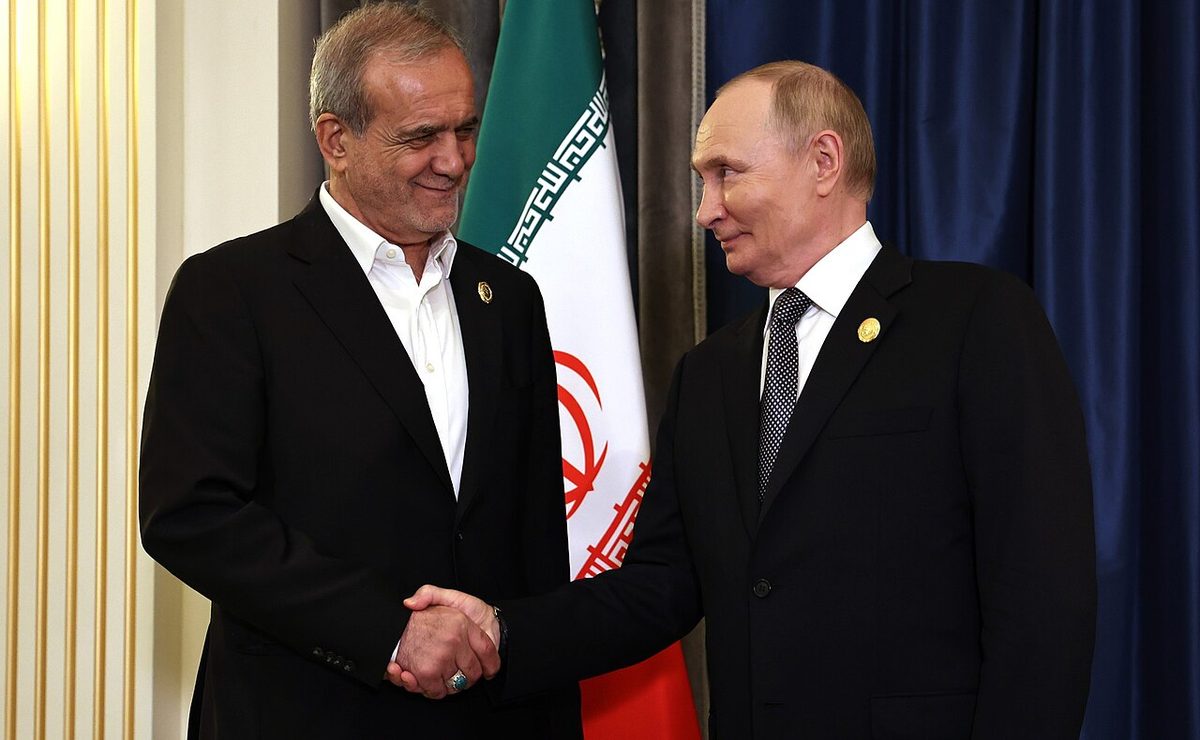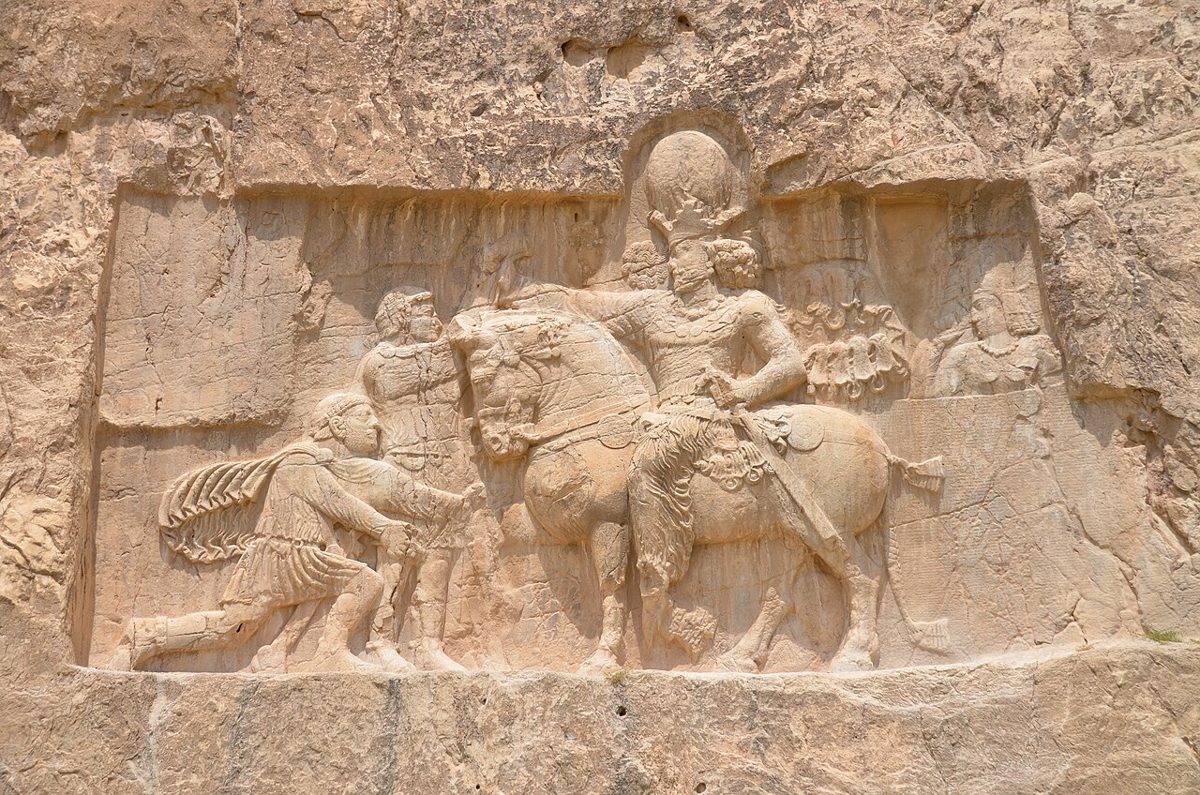
According to Hamshahri, Parliamentary Speaker Mohammad Baqir Kalibaf replied via X to U.S. Secretary of State Marco Rubio's recent remarks on Iranian civilization—which Kalibaf called "childish"—with a historical allusion: "Those who follow Alexander's legacy will suffer Valerian's fate: you will kneel."
In the full message Hamshahri reports, Kalibaf wrote: "Throughout history, we Iranians have faced those who declared themselves masters of the world and tried to erase ancient civilizations from the pages of history. They came with fire and flame, but left in dust and humiliation." By CBS News's account, Rubio, two days prior, delivered a speech at the Acropolis in Athens framing classical Greece as the source of Western power and emphasizing "national strength." Per Ettelaat quoting IRNA, Rubio in that speech also invoked the historical account of Persian armies burning Athens in 480 BCE and drew a parallel likening present-day Iran's leadership to a "cult of death."
Per Ettelaat, former Foreign Minister Mohammad Javad Zarif also replied via X, referencing a village and nomadic exhibition: "Ignorance and lust for power have blinded Rubio so completely that he cannot see how Iran has absorbed its conquerors into its own culture." Zarif closed with: "We have endured longer than all of them, and we will endure longer than his empire on its decline." According to Khabaronline, government spokeswoman Fatimah Mohajerani offered a more measured tone: "Neither historical distortion can diminish this nation's greatness, nor blind terrors can bend this land's resolve."
How the Persian press covered it
| Source (orientation) | Headline / framing |
|---|---|
| Hamshahri (Tehran municipality, principlist) | Leads with Kalibaf's threatening Valerian reference, frames the incident as the speaker's "sharp" response. |
| Ettelaat (Established daily, moderate-traditionalist) | Covers Kalibaf and Zarif's replies separately with full quotes of Rubio's original remarks; provides most detailed context. |
| Khabaronline (Moderate conservative, Larijani circle) | Highlights the more measured reply from government spokeswoman Mohajerani, avoids threatening language. |
Context
Kalibaf's reference stems from the 260 CE Battle of Edessa, where Sasanid ruler Shapur I captured and knelt Roman Emperor Valerian—depicted, as at Naqsh-e Rustam, as a symbol of Iranian resistance to imperial powers and frequently cited in Iran. Rubio's Acropolis speech coincides with the February-onward Iran war and Trump's "absolute isolation" campaign, so Iranian officials read his remarks not merely as historical polemic but as an extension of current military-diplomatic tension. By CBS News, Rubio framed classical Greece's democracy, philosophy, and "national strength" as the root of Western ascendance and cited Alexander as an exemplary power figure; Kalibaf's "Alexander's legacy" phrase answers this directly. According to CBS News, Rubio also articulated U.S. aims to "restore critical supply chains, reindustrialize its economy, and rebuild its defense"—stated in the same address. The full context and target of Rubio's "death cult" comparison remains unclear, so that portion remains unconfirmed. Rubio's sharp rhetoric toward Iran is not new: in September, Washington expelled two Iranian diplomats from the UN General Assembly for defying an order to leave, underscoring months of unbroken diplomatic tension between the two countries.