According to Donya-ye Eghtesad's report, citing Tasnim, Foreign Ministry Spokesman Ismail Bakaei said that in evaluating recent developments in Iran-U.S. negotiations, Iran's conditions and assessments regarding ending the war imposed on all fronts and restoring security to the Persian Gulf and Hormuz Strait region have been communicated "clearly and decisively" to the other side, and that necessary responses to U.S. proposals will be provided through intermediary channels.
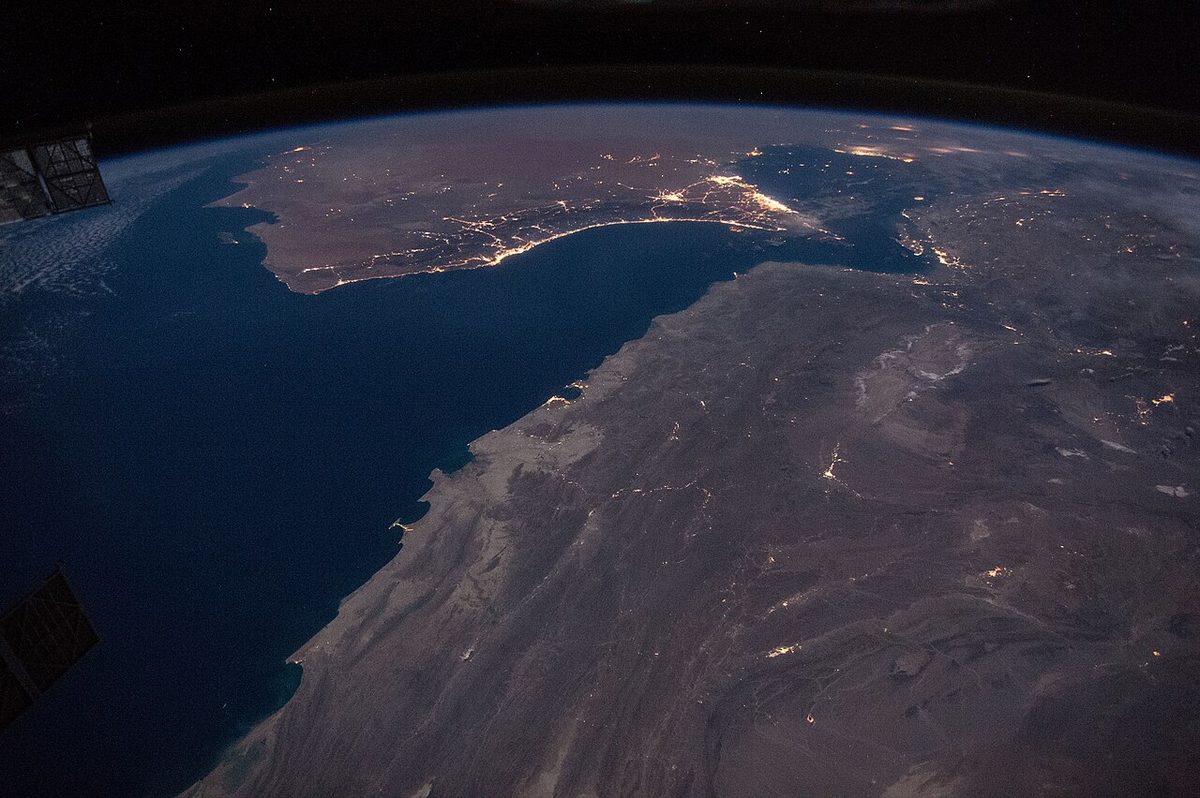
According to Donya-ye Eghtesad's report, Iran and Oman have reached agreement on the geographic coordinates of safe transit routes in the Hormuz Strait and how these routes will be reported to the relevant international body. According to the report, this agreement takes the form of a separate technical arrangement aimed at limiting escalation in the region from a maritime safety perspective and is being conducted independently of direct war-termination negotiations.
In a separate "day 222 of war" assessment published by Kayhan on the same day, a different picture emerges: According to Kayhan, citing Reuters, a minimum of 12 attacks on tankers and ships carrying natural gas and LPG were recorded around the Hormuz Strait in the September 28 to October 5 week; this was characterized as the highest weekly attack level seen since the start of the war. Kayhan reports that the U.S. Navy's Joint Maritime Information Center reported that in addition to these attacks, activity continues including UAV flights, surveillance, and Revolutionary Guard radio calls.
According to Kayhan, the U.S. military announced completion of mine-clearing operations in Hormuz in late August and declared the strait "open to transit"; however, according to Kayhan, citing the British Maritime Trade Operations (UKMTO), ship traffic through the strait remains 75 percent below pre-war levels. Kayhan also reports that Democratic Senator Chris Murphy, during his visit to Riyadh on behalf of the U.S., received emergency alerts against Houthi missiles on each of the two nights he spent there; this detail shows that regional tensions are not limited to maritime commerce alone.
How the Persian press covered it
| Source (orientation) | Headline / framing |
|---|---|
| Donya-ye Eghtesad (economic daily, technocratic) | Presents Bakaei's statement and the Oman safe passage agreement as diplomatic progress. |
| Kayhan (hardline, Supreme Leader's line) | Uses the headline "Hormuz cannot be opened with media therapy" to question U.S. statements that the strait is open; emphasizes that attack levels reached record levels that same week. |
Context
The Hormuz Strait has remained continuously on Iran's press agenda since the start of the war from an energy security perspective; claims of U.S. naval withdrawal from the region and conflicting calculations in Tehran press about what closing the strait would gain Iran preceded these reports. Oman has been among the countries serving as intermediaries between Iran and the West throughout the war; today's safe passage agreement shows Oman's intermediary role being transformed into a concrete technical step.
The "safe transit corridor" detail in Donya-ye Eghtesad's report involves reporting to an international body which routes tankers can use; this can be read as a limited arrangement aimed at reducing risk rather than eliminating it entirely. Kayhan's reported record attack data creates uncertainty about how such an agreement would be practically implemented.