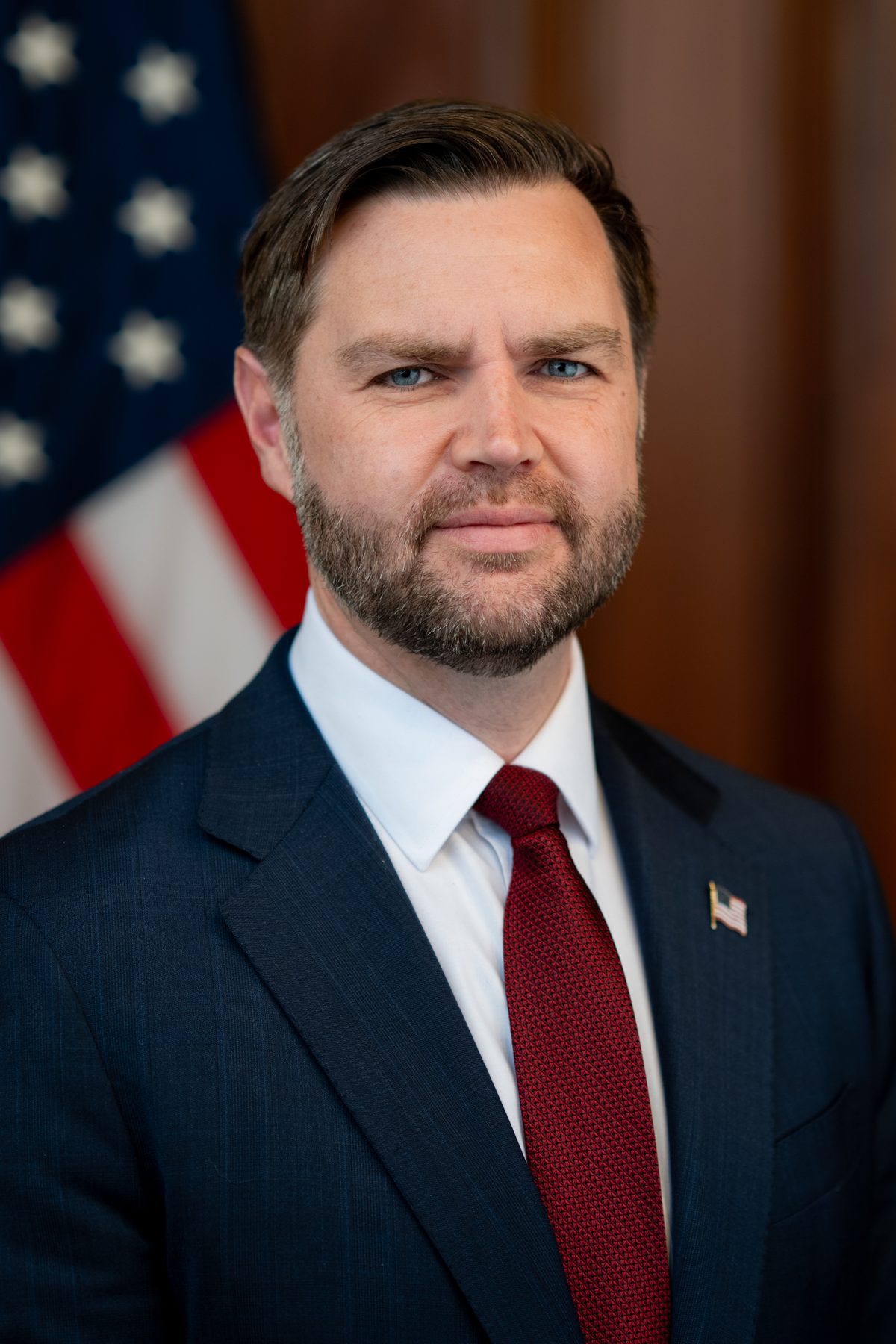
According to Hamshahri, reporting based on Reuters, U.S. Vice President JD Vance reiterated Wednesday that for the war to end, Iran must "concretely" reduce its uranium enrichment capacity. Vance this time used the phrase reducing capacity rather than "stopping" enrichment and said it was unclear how Iran would make this decision.
According to Hamshahri's report, Vance asked, "If you don't want nuclear weapons, why do you need 60-percent-enriched fuel?" and stated that an agreement must be secured not through Iran's promises to reduce future nuclear activities, but through concrete steps in reducing enrichment capacity. According to Donya-ye Eghtesad, Vance also said, "We will not trade words for action," and stated that the U.S. remains open to an agreement but demands specific and measurable nuclear concessions from Iran.
According to Hamshahri's report, Vance said it was unclear to them who decides in Tehran, mentioning that they have met with President Masoud Pezeshkian and Foreign Minister Seyed Abbas Araghchi, but noting that it is unknown how much authority these figures hold within Iran's power structure. According to Donya-ye Eghtesad, Vance stated that he has met directly with commanders on the front lines, dismissing claims of critical ammunition shortages; he argued that while Iran is capable of periodic attacks on commercial vessels passing through the Strait of Hormuz, it has not been able to substantially halt energy exports through the strait.
How the Persian press covered it
| Source (orientation) | Headline / framing |
|---|---|
| Hamshahri (Tehran municipality, principlist) | Highlights in its headline the phrase "unclear how Iran will decide," emphasizing uncertainty regarding Tehran's decision-making mechanism. |
| Donya-ye Eghtesad (economic daily, technocratic) | Places Vance's remarks in the context of election campaigning in Alaska, adding information that the war costs the U.S. approximately $3 billion per month. |
Context
Vance's remarks show continuation of diplomatic activity following the earlier allegation of secret talks between Iran and Yemen at Camp David and the resignation of Iran's oil minister. Sixty-percent-enriched uranium is considered one of the thresholds close to weapons-grade; the U.S. and its allies argue this level is not necessary for civilian energy production, while Iran maintains that its program is for peaceful purposes.
The electoral context highlighted by Donya-ye Eghtesad shows that Vance's remarks relate not only to diplomacy with Iran but also to U.S. domestic politics; Vance made these assessments during an election campaign speech for Republican Senator Dan Sullivan in Alaska. According to Donya-ye Eghtesad, while Trump won Alaska by 13 percentage points in the 2024 election, rising cost-of-living concerns have made the state competitive again; Vance devoted a significant portion of his speech to cost-of-living concerns, particularly energy prices.
According to Hamshahri's report, Vance also said he had not yet decided whether to run as a candidate in the 2028 presidential election and characterized himself as "someone who delays things by nature," saying he has not seriously considered the matter. According to Donya-ye Eghtesad, Vance's Reuters interview took place after Sullivan had accidentally introduced him as "President of the United States" during remarks at an event, drawing applause from those present; this detail was linked to Vance being seen as one of the Republicans' prominent candidates for 2028.