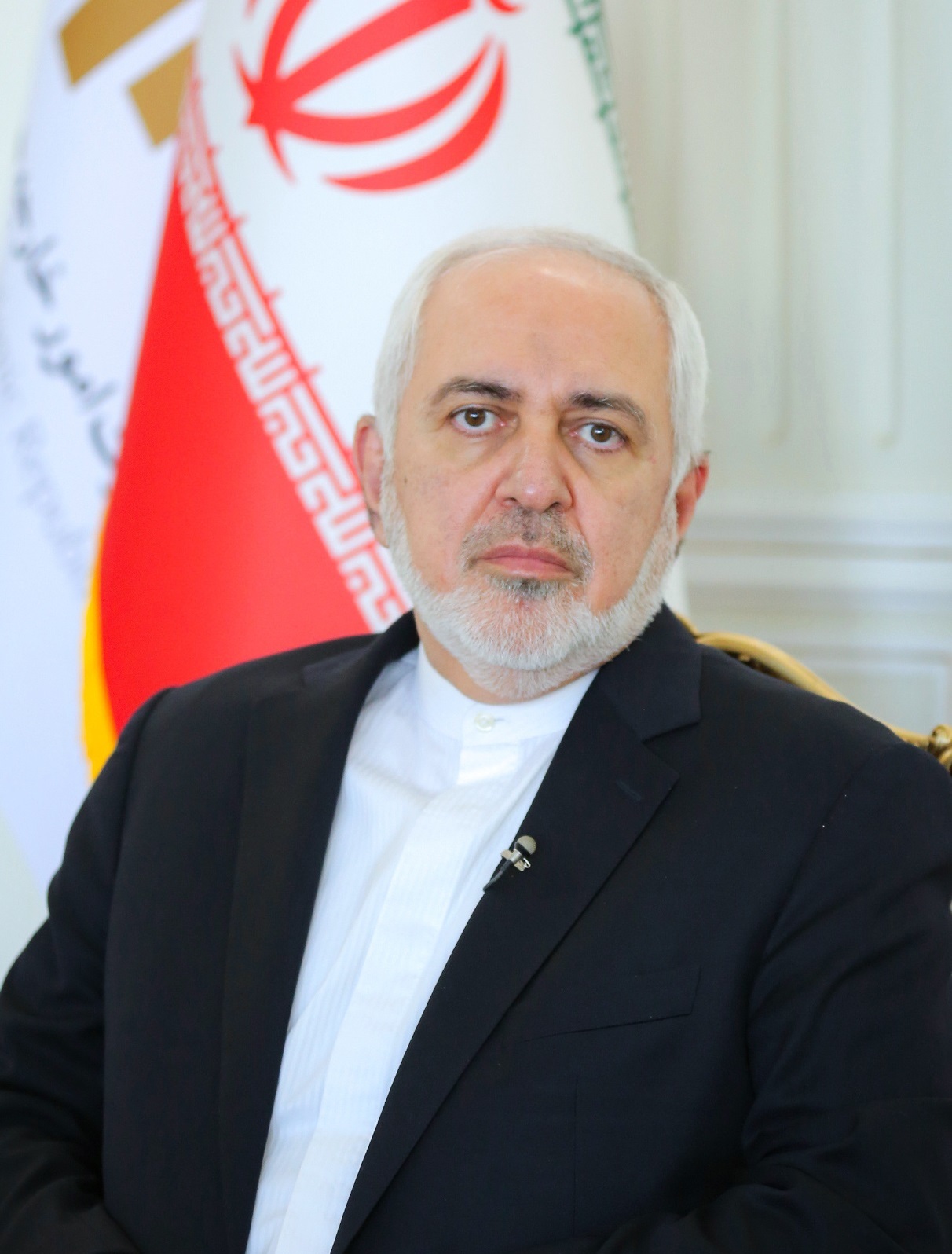
Mohammad Javad Zarif, the former Foreign Minister who negotiated the 2015 nuclear accord and a senior diplomat, argued that nuclear weapons are not necessarily a deterrent and claimed Iran lacks even the enriched uranium needed to make an atomic bomb. According to Khabaronline reporting from Saberin News, Zarif grounded this assessment in recent developments in Israel and the collapse of the Soviet Union.
Zarif also criticized what he described as "a paradigm of ignorance propagated for decades by a few populists" in the country. Khabaronline's report consists of a single short excerpt; Donya-ye Eghtesad published nearly the same text from Saberin News with minimal added commentary. This suggests the statement circulated from a single agency wire rather than being independently pursued by reporters.
Zarif's assessment directly contradicts claims from the United States. According to the English-language source Yahoo News, U.S. Middle East Special Representative Witkoff previously stated that Iran possessed sufficient 60%-enriched uranium stockpiles to produce nuclear material. The narrative difference between the two sides remains unconfirmed by independent sources. Zarif is known for his alignment with reformist circles and has emerged as a proponent of diplomatic options in the postwar period; his statements therefore resonate in both Iran's internal political debates and international media.
Zarif's comparison using the "past year-and-a-half" developments in Israel and the collapse of the Soviet Union appears to rest on an argument that advanced weaponry or vast military capacity alone cannot shield a state from collapse; with these examples, Zarif argues that nuclear weapons are not "absolute deterrent guarantees." This discourse should be read as part of postwar internal debate in Iran over the future of the nuclear program and negotiating strategy; however, Zarif's view may not reflect official government policy and lacks independent confirmation. The gap between Iran's actual nuclear capacity and political rhetoric on the subject remains one of the murkiest areas in postwar negotiations.
Context
Zarif's claim comes during ongoing discussions about Iran's nuclear program. Earlier international assessments noted Iran held hundreds of kilograms of 60%-enriched uranium stockpiles, and that Tehran's own negotiators said these stocks could be weaponizable within years. However, former IAEA Director General Rafael Grossi stated that enriched uranium alone does not constitute a nuclear weapon and requires triggering mechanisms and advanced technologies. Zarif's statement today provided no concrete figures and his claim remains unconfirmed by independent sources. The matter also connects to Vice President Vance's earlier statement that Iran must reduce its enrichment capacity to end the war; together, the two statements show nuclear capacity remains a central point of ongoing negotiations.