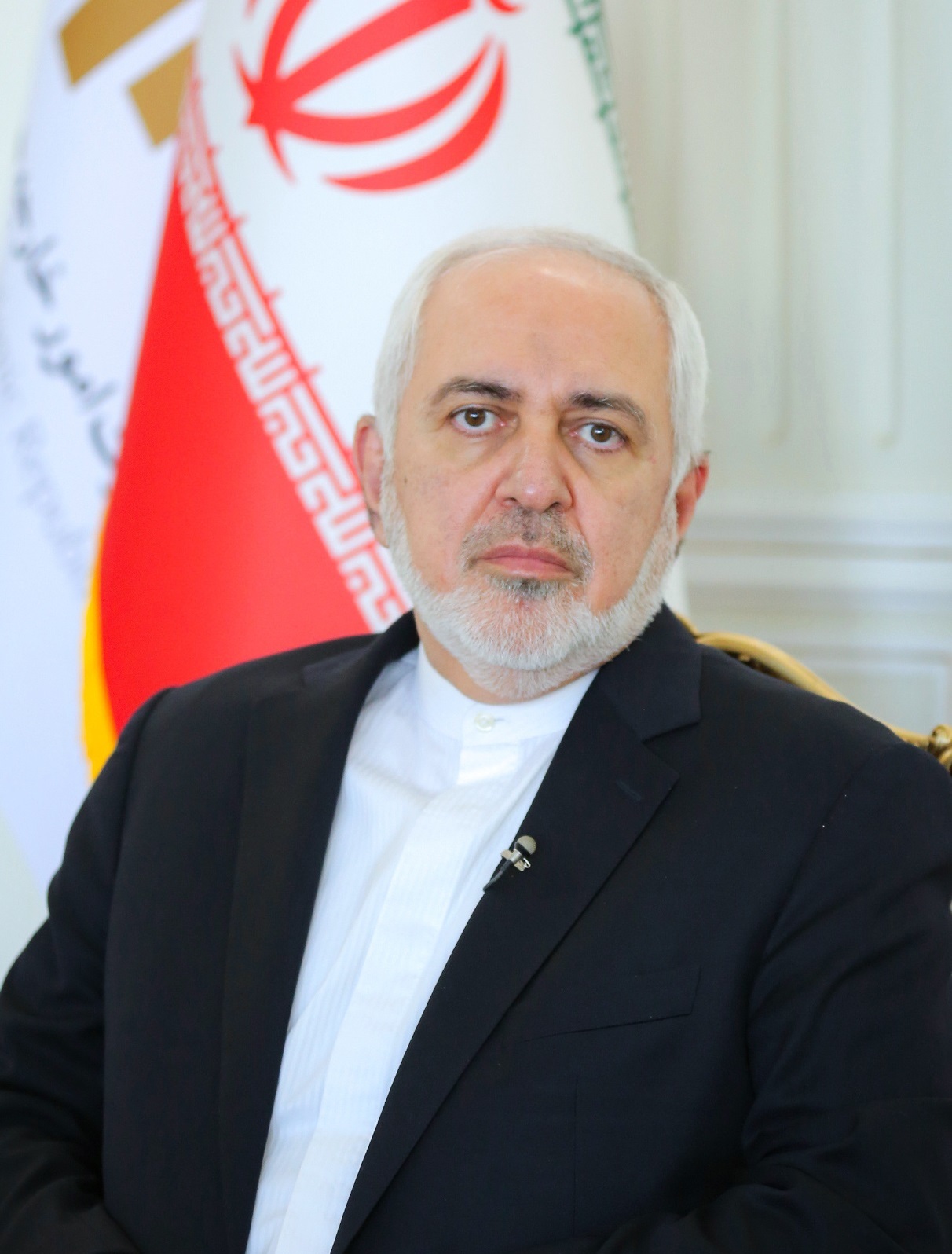
Iran's Deputy Foreign Minister Kazem Garib-Abadi told Al Arabiya television Monday that Tehran is still evaluating the U.S. seven-day ceasefire proposal and is finalizing its response. According to Ettelaat, citing ISNA, Garib-Abadi stated that Iran continues to support the diplomatic path but emphasized that negotiating demands must be realistic.
The deputy minister responsible for law and international affairs said Iran is prepared to defend itself and enter war if necessary, matching its readiness for talks. He noted that Tehran has examined Washington's views on a proposal Iran submitted to the U.S. side in New York and that after completing the response, Tehran will convey its final position to the other side through intermediaries. Presenting Iran's continued participation in talks as a sign of Tehran's flexibility and commitment to a diplomatic solution, Garib-Abadi called on the U.S. to honor its commitments.
Garib-Abadi stated that Washington violated its commitments under the "Islamabad Accord," requiring U.S. remedial action; Iran has not violated any of its commitments, and the U.S. cannot expect greater flexibility from Tehran when it fails to fully meet its own obligations. The accord's specific provisions were not detailed in the report; this point remains unconfirmed. According to El Arabiya's Tehran correspondent Amir Jaber, Garib-Abadi also addressed developments in the Strait of Hormuz and relations with regional states during the conversation. While reaffirming readiness to negotiate the nuclear program, he characterized additional flexibility before returning to the table as unlikely. Jaber reported that messaging continues between Tehran and Washington through intermediaries, but the U.S. position on some of Iran's terms remains unclear.
According to IRNA's separate report, Garib-Abadi said Iran supports all diplomatic processes and is simultaneously prepared to defend itself; IRNA's account was briefer and more general than Ettelaat's detailed interview transcript.
Garib-Abadi's remarks should be read as part of Tehran leadership's effort to signal that it comes to the negotiating table "not from weakness but prepared." He emphasized that Iran has not cut off U.S. contact through intermediaries, but that the final response will go directly to the other side, not to the public—meaning no details about the response content will be disclosed for now.
How the Persian press covered it
| Source (orientation) | Headline / framing |
|---|---|
| Ettelaat (moderate-traditionalist) | Reported El Arabiya interview in detail; highlighted "Islamabad Accord" breach claim. |
| IRNA (state news agency) | Summarized message as "Iran supports diplomacy but is defense-ready" in brief terms. |
Context
Garib-Abadi's remarks continue the process described in a previous report on Iran's seven-point proposal, where Tehran was evaluating the U.S. offer but had not yet submitted a formal response. Today's statement indicates the response is nearing completion but has not yet been conveyed. The "Islamabad Accord" reference may signal Pakistan's role in the mediation process; however, the report does not specify the accord's contents or signing date. Garib-Abadi's language suggests Iran is keeping diplomacy open while emphasizing military readiness to strengthen its negotiating position; how the U.S. responds to this signal remains unclear.