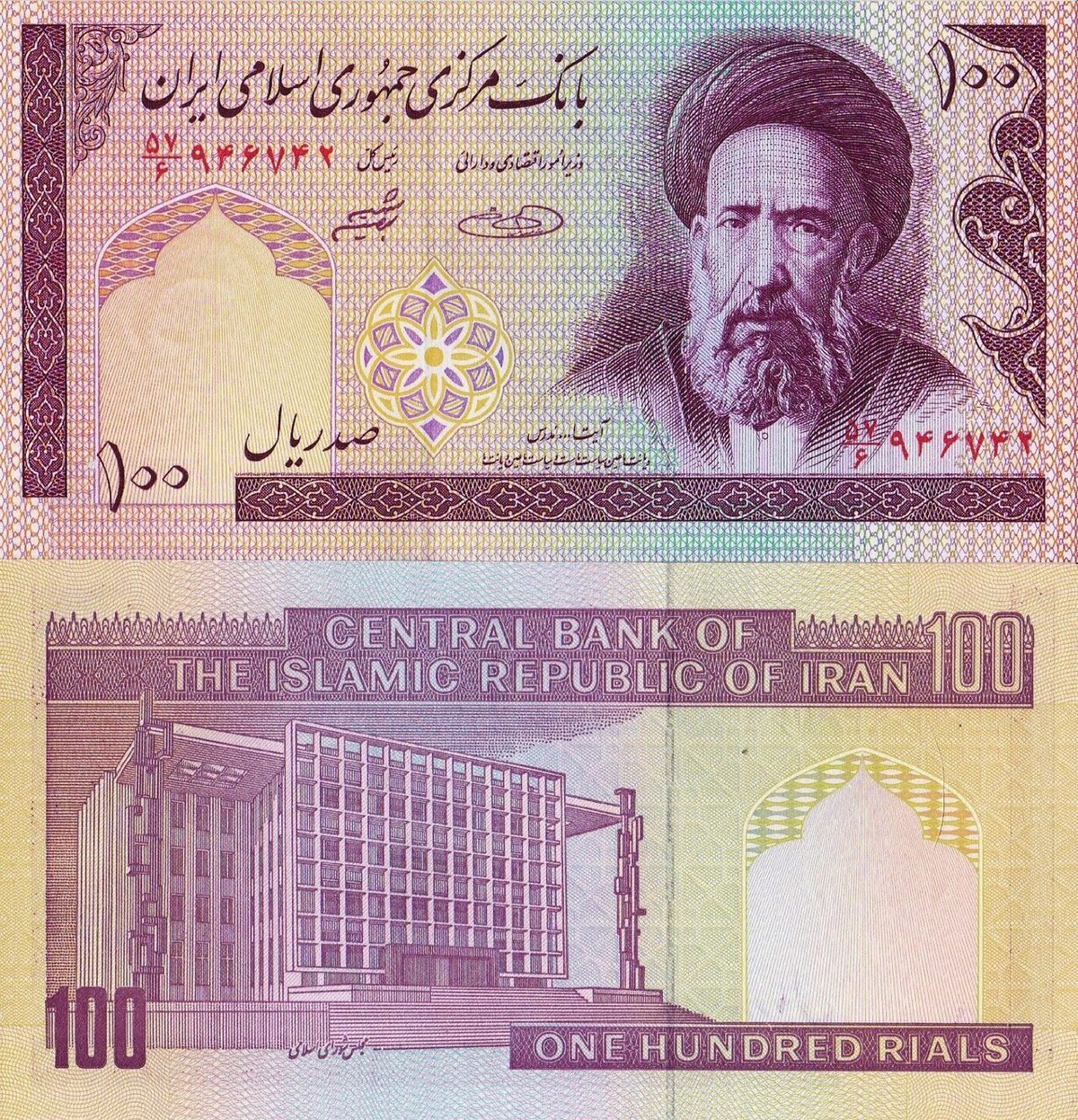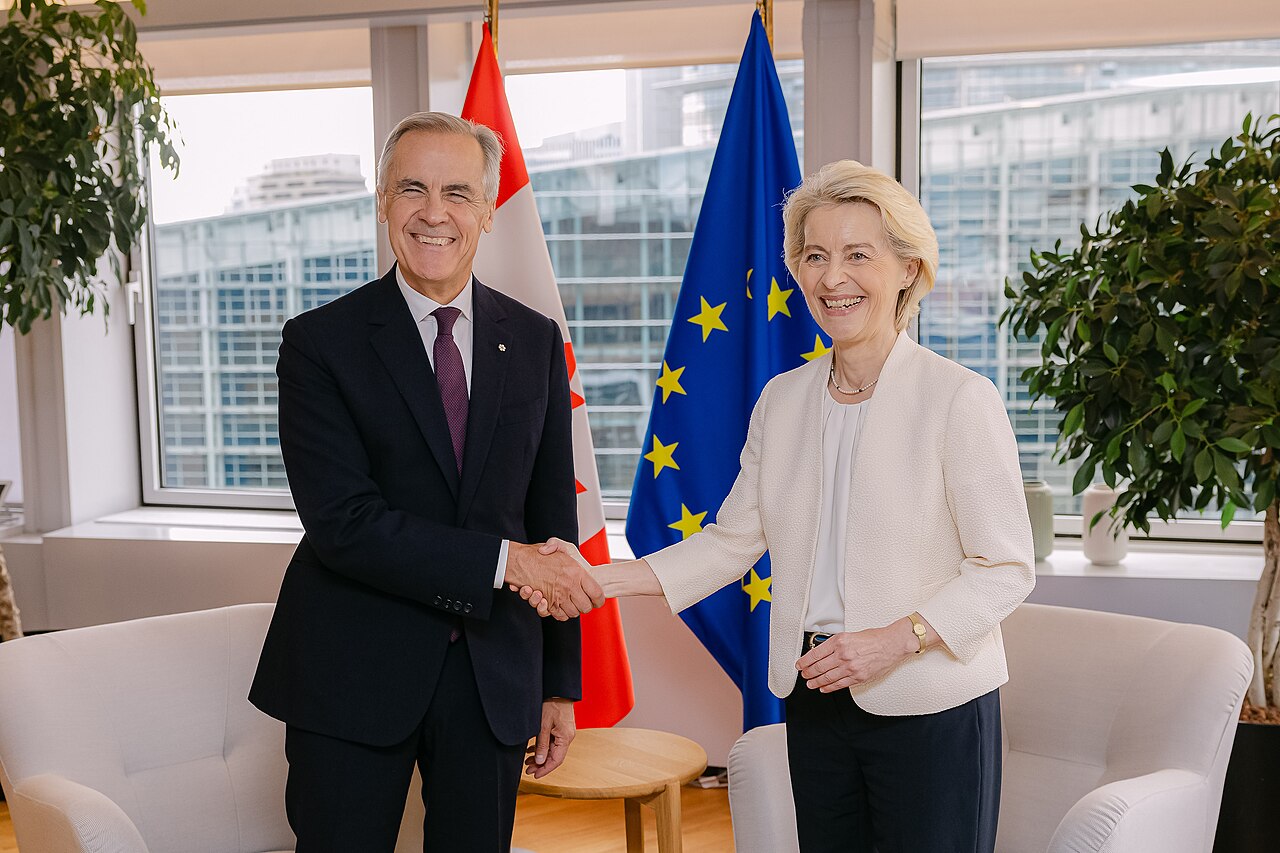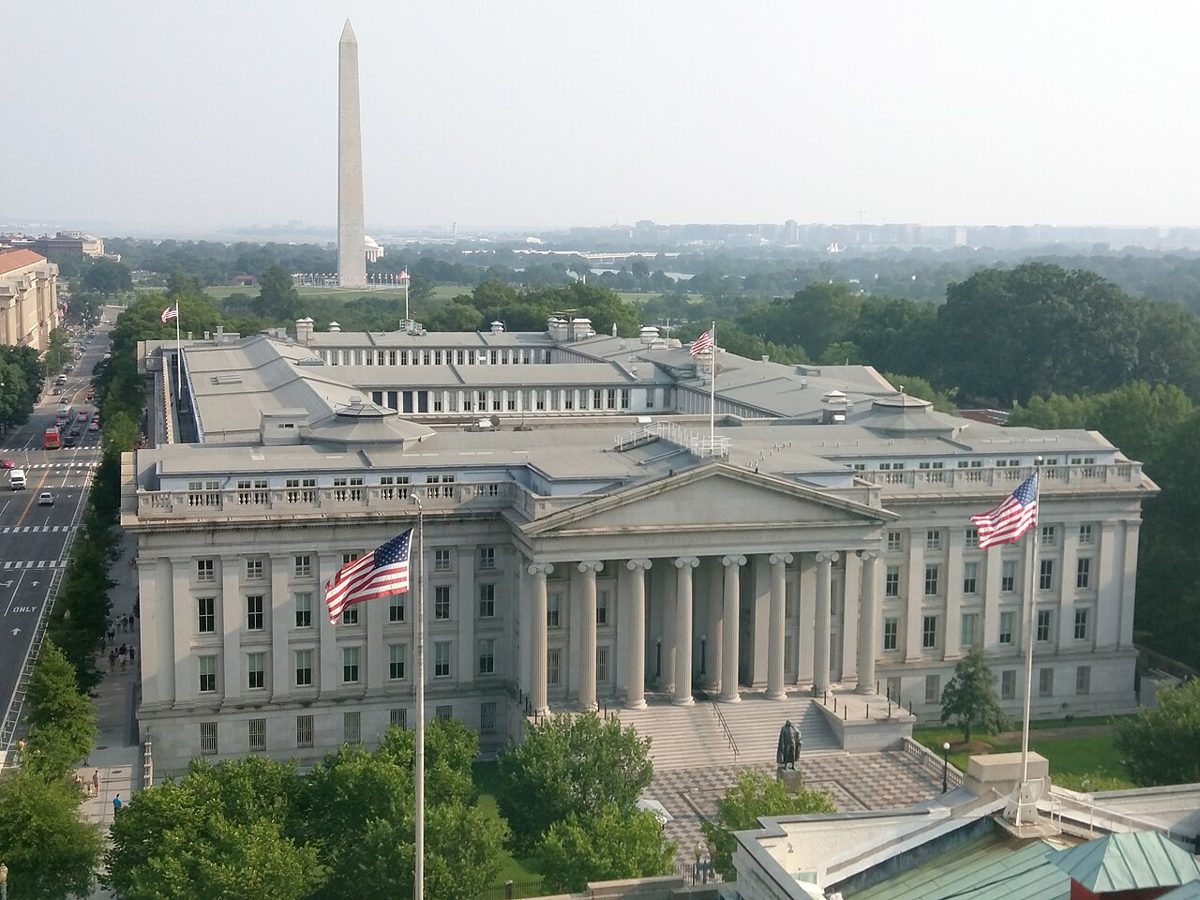
According to IRNA's report, the U.S. Treasury Department's Office of Foreign Assets Control (OFAC) has sanctioned eight money transfer firms and exchangers based in Canada for facilitating transactions with Iran's regime and affiliated sanctioned entities. The action continues the Treasury's "Operation Economic Outcast" campaign, launched in August.
According to official Treasury statements relayed by IRNA, the sanctioned firms include Ontario-based Million Exchange (Diverse Trade Inc), British Columbia-based Amin Exchange (1380079 BC Limited and partner Top PC Technician Inc), NIA Nations Currency, Farah Exchange (2397639 Ontario Ltd), CCC Inc, B Galaxy Inc (Cryptoyal), and Darvish Exchange. Treasury Secretary Scott Bessent stated: "Canada cannot be a safe haven for illegal financial facilitators providing sanctions-evasion services to the Iranian regime and its proxies." According to the Treasury statement, these firms convert Iranian rials into cryptocurrency to enable cross-border transactions; certain digital wallet addresses have conducted transactions with sanctioned Iranian crypto exchanges—Nobitex, Wallex, Ramzinex and Bitpin—and addresses linked to the IRGC. The Treasury noted the action was coordinated with FinCEN and Canada's Financial Intelligence Unit, FINTRAC, and stated that some of the sanctioned firms also facilitated multi-billion-dollar money laundering for convicted drug trafficker Ryan Wedding, who was arrested in January 2026 and moved cryptocurrency proceeds of drug proceeds across borders.
Iran International reported the action as part of a cryptocurrency-focused sanctions series that followed earlier listings: Nobitex, Wallex, Bitpin and Ramzinex were sanctioned on June 2, 2026, and Aban Tether Exchange and Shelbit on August 7, 2026. The Treasury announced the sanctions fall under Executive Order 13902, targeting Iran's cryptocurrency sector.
How the Persian press covered it
| Source (orientation) | Headline / framing |
|---|---|
| IRNA (State news agency) | Describes the action as a continuation of "economic terrorism operations," reframing the U.S. Treasury's campaign name negatively. |
| Iran International (Opposition, diaspora) | Reports the action using OFAC terminology and affected institutions in a neutral, technical framing. |
IRNA's use of "economic terrorism operations" represents the state agency's repackaging of the U.S. Treasury's own campaign name "Operation Economic Outcast" with negative connotations—an example of how the two sources frame the same action differently.
Context
The sanctions represent the latest escalation in the U.S. Treasury's months-long campaign targeting Iran's sanctions-evasion networks through cryptocurrency. The Treasury has reported that hundreds of money transfer firms in Canada facilitate money flows to Iran, with some attempting to evade scrutiny by changing names and addresses. While this news has no direct connection to Turkey, similar sanctions logic appeared earlier in U.S. sanctions against Fugo and Turkish aviation firms; the United States continues to deepen Iran's financial isolation by targeting intermediary institutions in third countries. No independent statement from the Canadian government or the sanctioned firms has yet been released.
For information only; not investment advice.