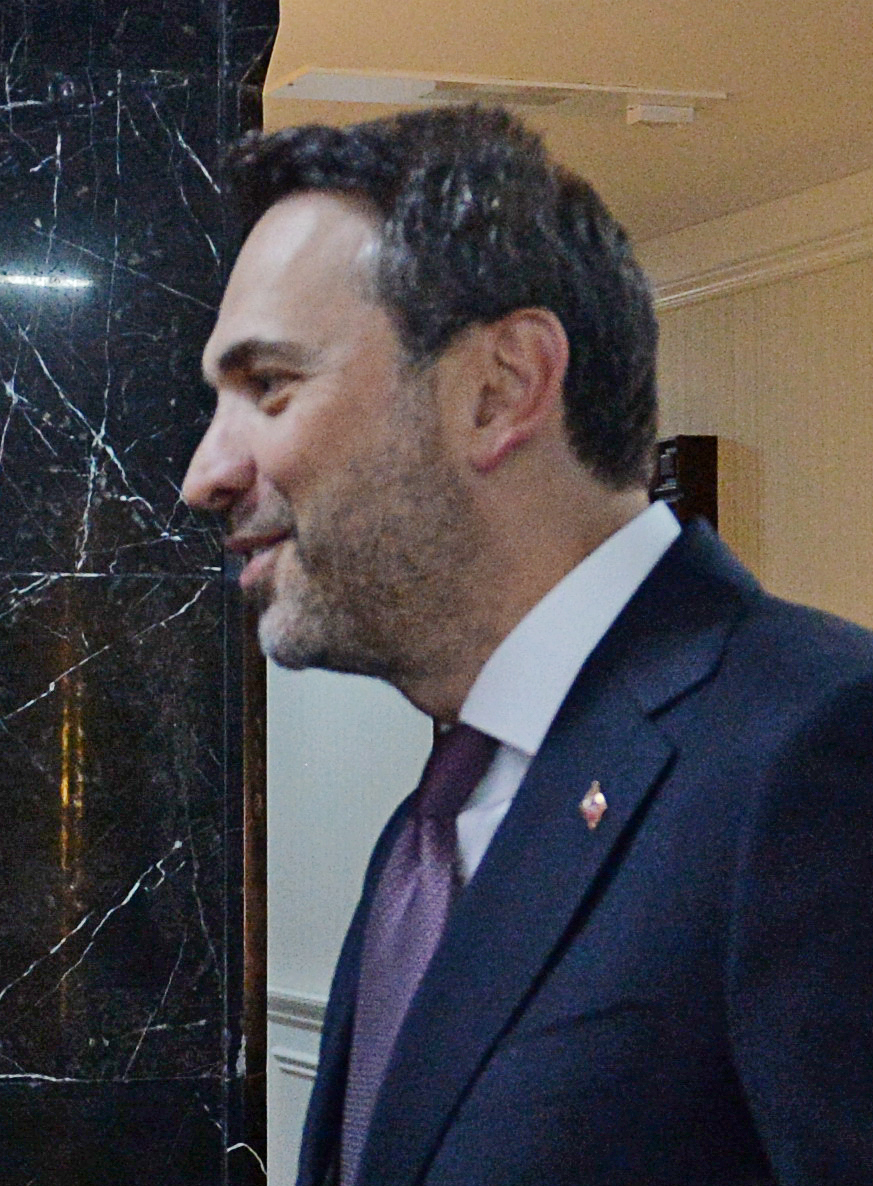
Turkey's Energy and Natural Resources Minister Alparslan Bayraktar said Sunday evening in an interview with Channel 7 that a deal has been reached between Russia and U.S. President Donald Trump on gasoil, and that during the talks it was agreed Turkey would also receive a share of this volume. According to Donya-ye Eqtesad, citing ISNA, Bayraktar said, "The Russia-U.S. gasoil agreement is important for Turkey from an energy security perspective; Ankara is dependent on Russia for some energy needs, and also on Iran, Azerbaijan, and other countries," and added that Turkey is trying to diversify supply sources through agreements with the U.S. and other partners.
According to the same report, Bayraktar said Russia had imposed restrictions on gasoil exports in recent months, but that thanks to the Trump agreement, a portion of that volume will now go to Turkey. The minister also noted that Turkey will bring its second floating gas production platform in the Black Sea online in the first quarter of 2028, which will raise Turkey's daily Black Sea gas production to 45 million cubic meters. According to the report, Russian Deputy Prime Minister Alexander Novak said Thursday that Russian gasoil is seeing strong global demand and that buyers other than the U.S. are also interested.
Bayraktar's claim about Turkey's share, sourced only from his television statement, could not be verified through independent sources; details such as volume or timing should therefore be considered unconfirmed.
Context
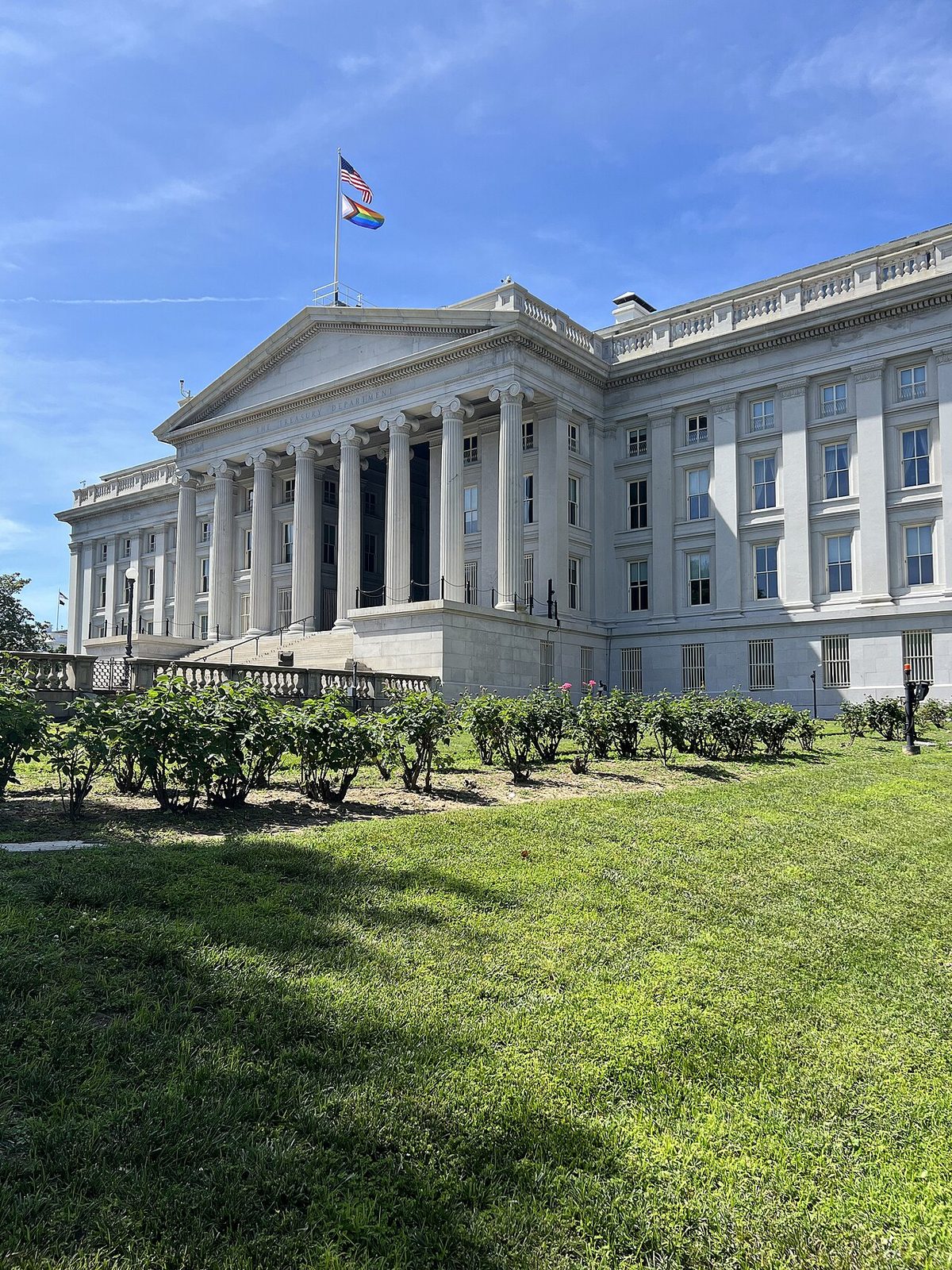
The Russia-U.S. agreement Bayraktar referenced is verifiable through English-language sources: according to reports by Ukrainska Pravda and Interfax, Trump said on October 9, following a phone call with Putin, that Russia would first sell 300,000 tons, then 500,000 tons in November, then 1 million tons, for a total of roughly 5 million tons of gasoil to global markets; the U.S. Treasury's OFAC unit issued General License 135 allowing transactions in Russian-origin gasoil. The Kremlin confirmed readiness for oil and petroleum product supply but did not verify volume and timeline. This agreement comes a month after Trump asked President Erdoğan in the White House in September to completely stop buying Russian oil, to which Bayraktar replied that "they cannot leave citizens without fuel at the threshold of winter" and emphasized that oil purchases are private companies' commercial decisions, not state policy. According to Censor.NET, Turkey continues to buy Russian oil and gas despite U.S. pressure; last year Russia supplied 66% of Turkey's oil imports and 41% of natural gas imports. At the same White House meeting, Bayraktar and U.S. Secretary of State Rubio signed a natural gas agreement between the two countries and a nuclear-sector memorandum of understanding, set to come into effect from winter onward. Ankara is thus maintaining energy ties with Russia while trying to open new supply lines with the U.S.; today's gasoil share claim can be read as part of this multi-pronged balancing act. U.S. pressure on Turkey is not limited to energy: Treasury Secretary Bessent said in early October that Washington had discussed closing overland routes to Iran with Turkey and Pakistan (U.S. calls on Turkey and Pakistan: Close overland routes to Iran). Tension over gasoil/diesel supply is also not new: in early October, G7 countries decided to release European diesel stocks to curb the price spike triggered by the Hormuz crisis (G7 to release 100 million barrels of fuel stocks; Tehran press reads it as "Trump's desperation").
For information only; not investment advice.