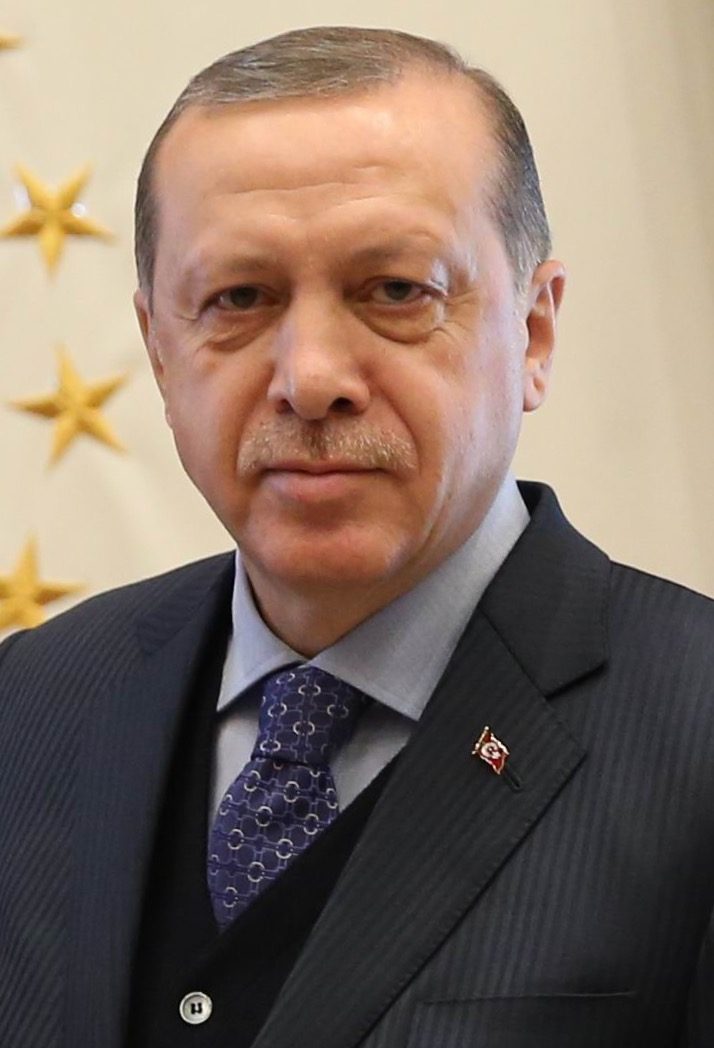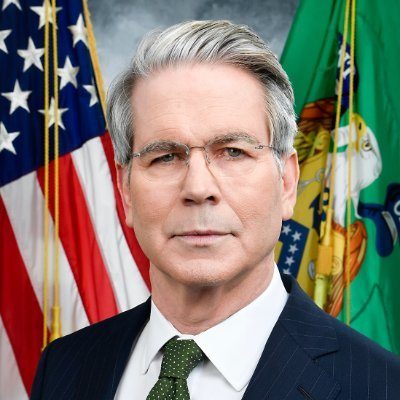
According to Iran International, U.S. Treasury Secretary Scott Bessent told Newsmax that the United Arab Emirates and Oman are supporting Washington's "absolute isolation" campaign against Iran, and that the U.S. government is in talks with Pakistan and Turkey to close Iran's overland entry and exit points.
By Bessent's account, the Trump administration has transformed its "maximum pressure" campaign into an "absolute isolation" campaign encompassing not just financial restrictions but also Iran's sea, air, and land connections to the world. The Treasury Secretary said the goal of naval blockades and military operations is to halt Iran's oil exports entirely, while flight restrictions aim to prevent Islamic Republic officials and regime-close figures from leaving the country.
According to Iran International, Bessent stated that the UAE and Oman share intelligence with Washington on border trade and banking links to Iran, allowing tighter monitoring of Iran's indirect commerce through neighbors. Bessent presented these steps as the economic complement to Iran's blockade at the Strait of Hormuz and the February-onward joint U.S.-Israel military operation.
By Yahoo News's account, Bessent in the same remarks called the campaign "absolute isolation" and announced the confiscation of roughly $1 billion in Iran-linked cryptocurrency assets; per Cryptonomist, this move targets Iran's digital holdings outside the traditional banking system. These statements extend the Treasury Department's "Economic D-Day" and "Operation Economic Outcast" sanctions waves since August, in which Bessent has spoken of completely severing Iran from global finance.
Context
The Treasury Department's "absolute isolation" campaign began in August when Iran's largest crypto exchanges—Nobitex, Wallex, Bitpin, and Ramzinex—were sanctioned under the "Economic Fury" operation; by Cryptonomist, Nobitex alone processed over half of Iran's 2025 digital asset flows. Turkey appears both as a target and as a tool in this campaign. On one hand, the U.S. Treasury sanctioned Istanbul-based Golden Global Bank in August 2026 for processing millions for the IRGC-linked Quds Force; on the other, Bessent argues that as the Strait of Hormuz blockade hardens, alternative oil pipelines via Turkey, Saudi Arabia, Iraq, and Syria will make the strait a "worthless body of water" within two years. Pakistan had previously granted exemptions for food, medicines, and some humanitarian shipments from Iran, as well as freight under the Central Asian Regional Economic Cooperation corridor; Bessent's current demand may signal those exemptions are being reconsidered. As with the Treasury's previous sanctions wave against Iran's "shadow fleet," whether Turkey and Pakistan governments formally accept this push remains unconfirmed.