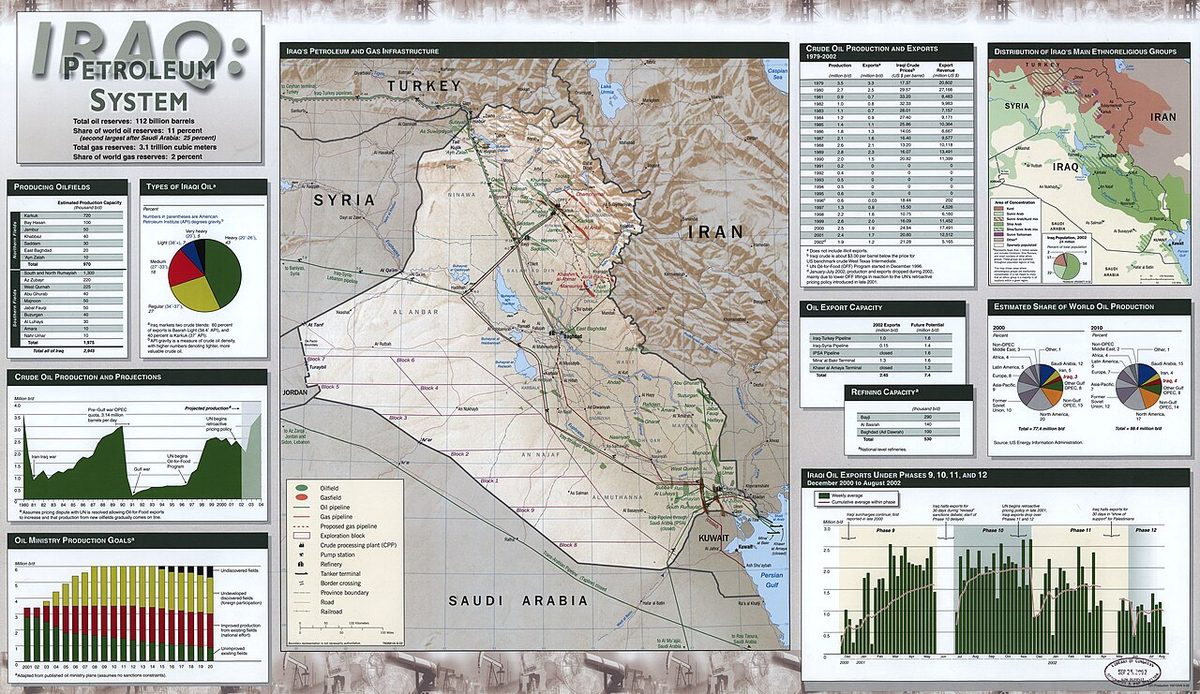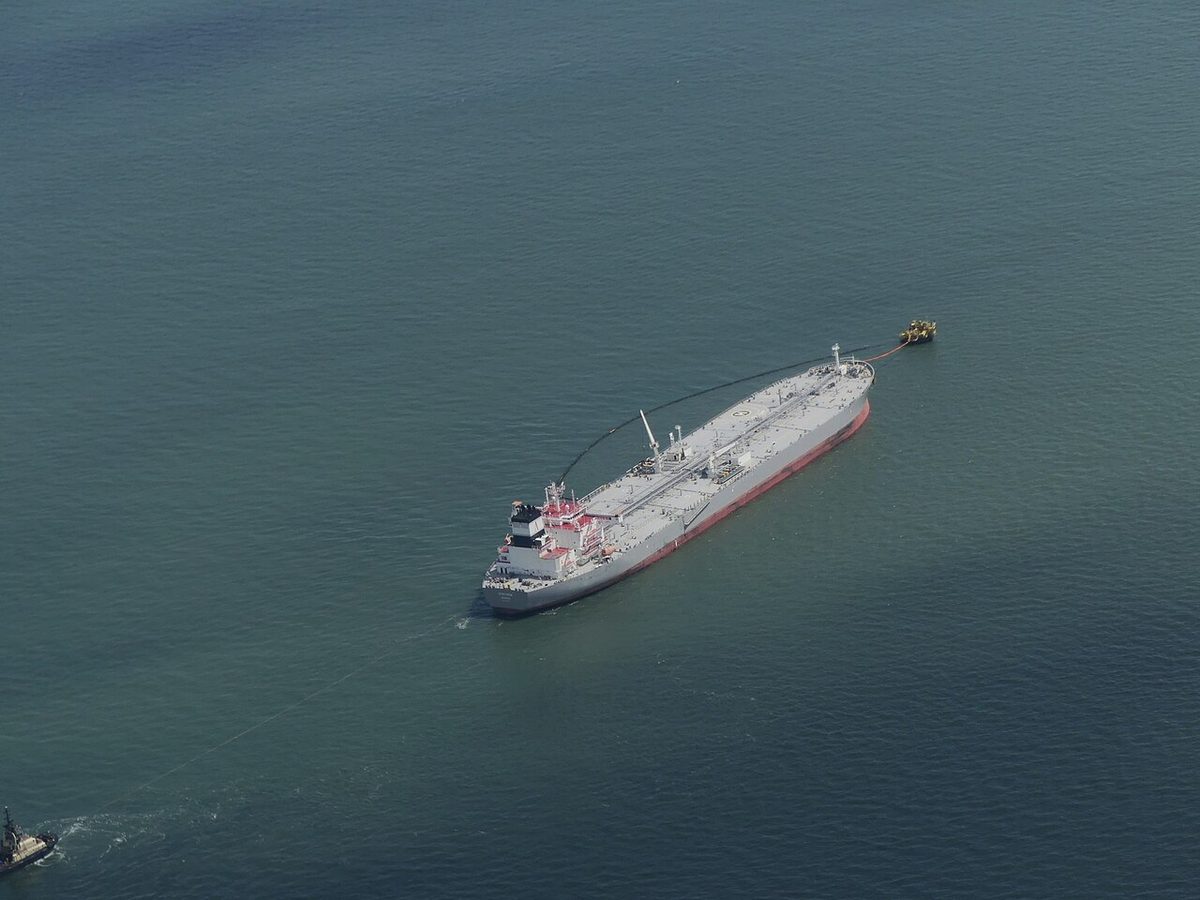
According to Iran International citing the U.S. Treasury Department's official list, the Treasury's Office of Foreign Assets Control (OFAC) designated 6 individuals, 27 companies, and 22 vessels for their connections to Iran in a list released Thursday, October 8. OFAC's own official statement dated October 8 confirms these figures and the breakdown under Executive Orders 13846 and 13902: six individuals, 10 companies, and 5 vessels were designated under order 13846; 17 companies and 17 vessels were designated under order 13902.
According to Iran International, 5 of the 6 individuals sanctioned hold Indian citizenship; 1 holds Turkish citizenship. OFAC's official statement confirms this and shows that sanctioned companies are based in India, Turkey, the United Arab Emirates, the Marshall Islands, Hong Kong, the United Kingdom, and Iran. The U.S. Treasury Department stated that these vessels have transported millions of barrels of Iranian crude oil, petroleum products, and petrochemicals to markets in South and East Asia. The department also announced it removed two vessels, "Hakuna Matata" and "Pinocchio," from the shadow fleet as they were sold to operators aligned with the U.S. and are no longer operating under sanctions.
According to Iran International's account, among the tankers named in the statement, the "Shenzhen" carried over 3.5 million barrels; the "Starway" (referred to as "Starovi" in the Persian account) carried over 3 million barrels of Iranian crude. The "Tina 5" carried over 1.5 million barrels of crude this summer; the "Kanha" delivered Iran's high-sulfur fuel oil to ports in the Middle East and India; the "King Chain" (referred to as "King Chin" in the Persian account) transported Iran-origin methanol to China. U.S. Treasury Secretary Scott Bessent stated in the announcement that the department was cutting off financial resources Iran uses for regional "war-mongering" and that those aiding sanctions evasion would not be exempt from the Treasury's full range of authorities.
According to OFAC, this is part of the "economic strangulation" operation launched on August 24. According to Iran International's count, the Treasury Department announced at least 11 separate sanctions packages under this campaign. OFAC stressed that sanctions aim to "change behavior, not punish," and stated it was ready to remove individuals and companies from the list if they met the required conditions.
Context
The allegation that a Turkish citizen was added to the list was confirmed by the U.S. Treasury Department's official statement dated October 8; the statement does not provide detailed identification of the individual, so the nature of the Turkey connection—whether residency, business partner, or intermediary role—remains unclear for now. The U.S. campaign against Iran's "shadow fleet" has been a recurring pressure tool since the Trump administration took office, known to have covered more than 180 vessels with monthly rhythm; today's package is similar in scale to comparable packages from recent months (28 vessels in December 2025, more than 30 targets in February 2026). This sanctions wave overlaps with the pattern described in the report on Parsian Bank's sanctions violation investigation, which explains how Iran uses its financial system to circumvent sanctions.
For information only; not investment advice.