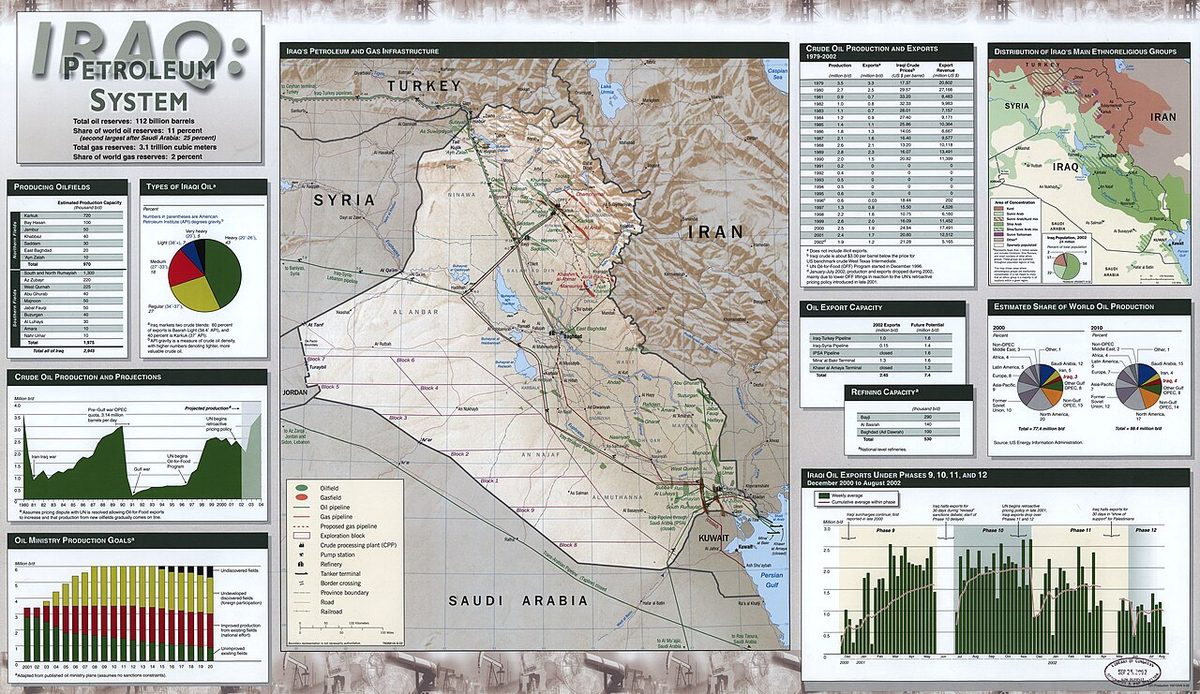
According to Iran International, Chinese independent refineries—previously the main buyers of Iranian crude—have shifted toward Iraqi "Basra Heavy" and "Basra Medium" crude to compensate for declining Iranian supply due to U.S. pressure. The report raises the question: Is Tehran once again using a method it has employed before, by relabeling its own oil as "Iraqi crude" to reach buyers?
According to the report, Max Meizlish, a senior analyst at the Foundation for Defense of Democracies and former U.S. Treasury official, states that China's increase in Iraqi crude purchases could be entirely legal, but cautions that "stated origin does not necessarily indicate the actual production point." According to Meizlish, "Iraqi crude has previously served as a vehicle for Iran to obscure the origin of its own oil." In his view, this could simply be a routine and legal increase in China's Iraqi crude purchases, but China's import origin data should be "evaluated with some suspicion or critical eye."
According to information Humayun Felekshi, head of crude oil analysis at Kpler, provided to Iran International, Iran loaded no new crude or gas condensate onto tankers in September; the daily average loading in August was approximately 250,000 barrels. According to Felekshi, of the approximately 90 million barrels that previously exited the blockade zone, only about 10 million barrels remain awaiting discharge in China. Once the remaining cargo is delivered and payment received—a process Chinese buyers typically complete within one to two months, expected to stretch into mid-December—Tehran will have lost one of its primary sources of oil revenue.
Felekshi estimates Iran's monthly oil revenue in recent years at around $2-3 billion and states that the expectation of that revenue falling to zero by December is already creating pressure on the national currency. According to Felekshi, overland transport of Iranian crude through Iraq could give Tehran one way to circumvent the blockade, but such transport would cover only a small fraction of tanker export losses. Even with 100,000 barrels per day of overland transport, Iran could replace only 5-7 percent of tanker-shipped oil, requiring approximately 5,000 trucks daily. According to Felekshi, 20-25 empty tankers sit ready for loading in the blockade zone; however, according to Kpler data, tankers departing the region are receiving radio warnings from U.S. naval forces not to proceed.
Context
This report depends on Iran International as the sole source and rests on assessments by two named experts (Meizlish and Felekshi); the claim that "Iran is presenting Iraqi oil as its own" is not directly supported with evidence in this source and stands as an inference by these experts based on past patterns—remaining "unconfirmed." This coincides with the U.S.'s new sanctions package against Iran's shadow fleet on the same day; both reports illustrate different facets of Iran's effort to sustain oil exports against the embargo. According to the report, Iran has rapidly reduced its domestic production; this may be read as a precaution taken ahead of the possibility of zero export revenue.
For information only; not investment advice.